


Does your dog flinch or hesitate when their water bowl gurgles, hums, or vibrates? If you’ve ever tiptoed around a sleeping pup, you know how sensitive they can be to sound. Many dog owners are surprised to learn just how much noise—even the faint whir of a water fountain—can affect their pet’s comfort, hydration, and even your own peace at home.
In this guide, we’ll explore:
- Why fountain noise matters for dogs and families
- How to spot subtle signs of fountain-related stress
- What to look for in a truly quiet dog water fountain
- Simple steps to keep your fountain—and household—serene
Why Fountain Noise Matters—for Dogs and for You
Some dogs are unphased by household sounds; others startle at the faintest hum. Many dog parents notice their pets avoid drinking when a water fountain buzzes, rattles, or splashes too loudly—especially in quiet homes or at night. Sensitive breeds, rescues, or seniors may be most affected.
Research shows that ambient noise can increase canine anxiety levels and reduce time spent near food and water sources. Left unchecked, this avoidance can lead to low-level dehydration, which impacts everything from kidney health and energy to skin and coat quality.
Signs Your Dog May Be Bothered by Fountain Noise
- Hesitating near the fountain, circling, or frequently retreating
- Only drinking when the house is quiet
- Drinking less overall, or preferring still water elsewhere
- Twitching ears, lip licking, or startled body language when the pump cycles on
Even if you don’t notice obvious stress, subtle avoidance can add up over days and weeks.
What Makes a Dog Water Fountain Quiet?
Not all pet fountains are created equal. The difference comes down to motor quality, build materials, and thoughtful engineering. Here’s what to look for:
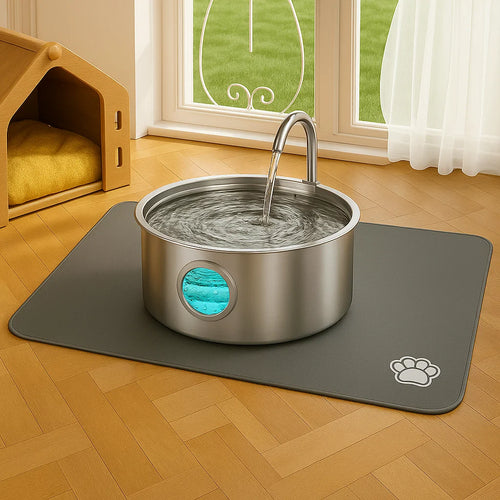
- Insulated pump and motor: A high-quality, insulated pump reduces vibration and hum.
- Stainless steel construction: Stainless absorbs less sound than plastic or ceramic, and resists biofilm that can amplify noise over time.
- Continuous, gentle flow: Avoids splashing and “waterfall” sounds that may spook pets.
- Stable, well-fitted components: Loose lids or wobbly reservoirs can rattle or make noise as pets drink.
Bonus: Stainless steel is also the gold standard for hygiene and easy cleaning—unlike porous plastic, which can trap odors and bacteria that make water less appealing (see our product page to learn more).
Material Comparison: Fountain Noise, Hygiene, and Durability
| Material | Noise Level | Hygiene | Durability | Biofilm Risk |
|---|---|---|---|---|
| Stainless Steel | Very Low | Excellent | High | Low |
| Plastic | Moderate-High | Poor (porous) | Low | High |
| Ceramic | Moderate | Good | Moderate | Moderate |
How Much Water Does Your Dog Need?
Quiet, inviting fountains encourage healthy drinking—but what’s the right amount? Most dogs need about 25–50 ml per kg of body weight daily (roughly 0.4–0.8 oz per pound). Needs vary by diet, activity, climate, and health, so consult your veterinarian for personalized advice.
| Dog Weight | Daily Minimum | Daily Maximum |
|---|---|---|
| 10 lbs (4.5 kg) | 180 ml (6 oz) | 360 ml (12 oz) |
| 30 lbs (13.6 kg) | 340 ml (11 oz) | 680 ml (23 oz) |
| 60 lbs (27.2 kg) | 680 ml (23 oz) | 1360 ml (46 oz) |
| 90 lbs (40.8 kg) | 1020 ml (34 oz) | 2040 ml (68 oz) |
Use this as a starting point—if your dog drinks less, especially from a noisy fountain, it may be time for a quieter upgrade.
Practical Tips: Keeping Your Fountain Quiet
- Place the fountain on a flat, stable surface—add a non-slip mat to muffle vibration.
- Keep the water level topped up; low water can make pumps work harder and increase noise.
- Rinse the pump and reservoir daily to prevent buildup that can cause rattling or gurgling.
- Deep clean all components weekly with pet-safe soap and hot water.
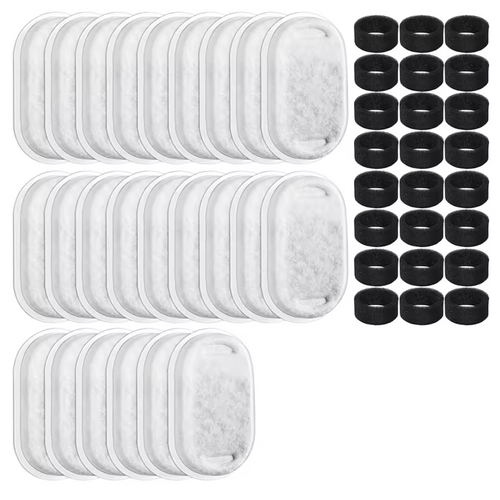
- Replace filters as recommended—clogged filters strain pumps and make noise.
| Task | Frequency |
|---|---|
| Rinse bowl and pump | Daily |
| Deep clean all parts | Weekly |
| Filter replacement | Every 3–4 weeks (or per product) |
Why a Quiet, Stainless-Steel Fountain Changes Everything
Choosing a truly quiet, hygienic water fountain isn’t just about convenience—it’s about nurturing your dog’s trust and helping them stay hydrated without stress. Stainless steel fountains with insulated pumps offer the best balance of peace, cleanliness, and durability for years to come.
If you’re curious how a premium, whisper-quiet fountain can transform hydration for your pet (and bring a little more calm to your kitchen), see the Pawdrate Filtered Water Fountain—designed for dogs and homes that deserve the very best.