


Bringing a puppy home is joyful—and a little overwhelming. Between potty training, playtime, and cuddles, one essential habit often slips through the cracks: a consistent, healthy drinking schedule. It's not just about keeping a bowl filled. Puppies are especially vulnerable to dehydration, and their needs shift rapidly as they grow.
This guide will help you set up a practical drinking schedule, understand how much water your puppy really needs, spot early signs of dehydration, and make choices that support lifelong health.
Why a Drinking Schedule Matters for Puppies
Puppies grow quickly and burn energy at an astonishing rate. Their small size and developing kidneys make them prone to dehydration—sometimes faster than adult dogs. A regular drinking schedule:
- Supports healthy organ and joint development
- Helps regulate temperature (especially in warm weather or after play)
- Prevents urinary tract infections and constipation
- Encourages predictable potty breaks, which helps with house training
How Much Water Does Your Puppy Need?
Most puppies need about 40–60 ml of water per kg of body weight each day (roughly 1.3–2 ounces per pound). Needs will vary based on age, size, activity, and diet (puppies fed dry food typically require more water than those on canned or raw diets).
| Puppy Weight | Approximate Daily Water (ml) | Approximate Daily Water (oz) |
|---|---|---|
| 5 lbs (2.3 kg) | 90–140 | 3–5 |
| 10 lbs (4.5 kg) | 180–270 | 6–9 |
| 20 lbs (9 kg) | 360–540 | 12–18 |
| 30 lbs (13.6 kg) | 540–810 | 18–27 |
These are general guidelines. Activity, weather, and health may require adjustments. Always discuss your puppy’s needs with your veterinarian.
Sample Puppy Drinking Schedule by Age
Puppies younger than 16 weeks often drink small amounts frequently. Once house training is in place, you can introduce more structured access. Here’s a sample routine:
| Time | What to Do |
|---|---|
| Upon waking | Offer fresh water promptly |
| After each meal | Refill water; encourage a drink |
| After play/exercise | Make water available in a calm setting |
| After naps | Offer a small amount of water |
| Before bedtime | Offer a final drink, then remove water 2–3 hours before sleeping to assist house training |
Note: Very young puppies should NOT be restricted from water. Schedule adjustments are most important for house training older puppies.
How to Encourage Healthy Drinking Habits
- Keep water fresh: Puppies are sensitive to taste and odor. Change water daily or after each session.
- Use safe, hygienic bowls: Stainless steel is nonporous and discourages bacteria growth, unlike plastic, which can harbor biofilm and odors.
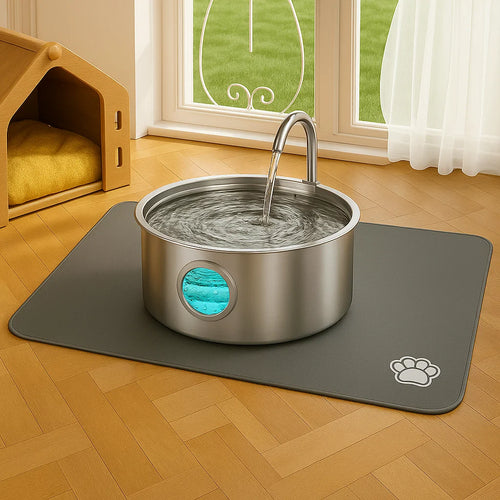
- Consider a filtered fountain: Flowing water mimics natural sources, stays cooler, and may entice puppies to drink more often.
- Clean regularly: See our cleaning cadence table below for best practices.
- Place water strategically: Keep water close to play and rest areas, but away from food to prevent messes.
| Cleaning Task | Recommended Frequency |
|---|---|
| Rinse and refill with fresh water | Daily or after each play/meal session |
| Wash bowl/fountain parts | At least weekly (more often if soiled) |
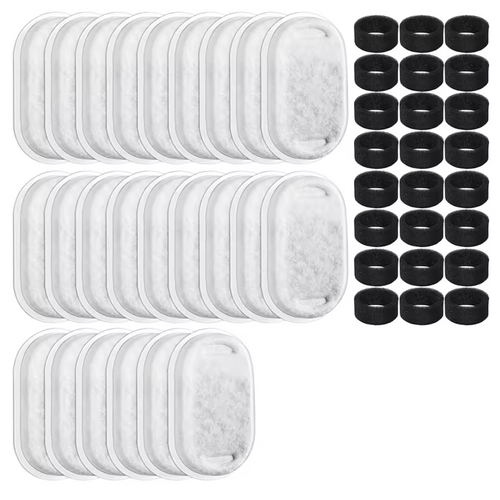
| Replace filters (if using a fountain) | Every 2–4 weeks, per manufacturer’s guide |
Stainless Steel vs. Plastic: Why Material Matters
- Stainless steel: Nonporous, easy to sanitize, resists scratches and biofilm, no lingering odors.
- Plastic: Prone to scratches that harbor bacteria, odors, and potential allergens.
- Ceramic: Better than plastic, but can chip; always check for cracks.
If your puppy is reluctant to drink, check that the bowl or fountain is clean and free from odors. Many puppies prefer cool, lightly moving water—much like they’d find in nature.
Empowering Healthy Hydration for Life
Establishing a reliable drinking schedule is one of the best steps you can take for your puppy’s health. Clean, accessible water supports growth, energy, and learning. Flowing, filtered water from a hygienic stainless-steel fountain makes healthy habits even easier—especially for curious puppies who love to explore and play. Learn more about our filtered, stainless-steel puppy fountains.