


Supporting Your Dog’s Healing: The Essential Guide to Post-Surgery Dog Fluids
Watching your dog recover after surgery can be both a relief and a source of new worries. You want to do everything right—especially when it comes to keeping them comfortable, hydrated, and safe from setbacks. After anesthesia or a procedure, even simple routines like drinking water can change. Some dogs become picky; others may drink too much or too little. Understanding how fluids support healing, and how to encourage healthy hydration, can make a real difference in your dog’s recovery journey.
What to Know: Post-Surgery Fluids & Hydration for Dogs
- Proper hydration speeds healing by supporting kidney function, wound repair, and energy.
- Normal daily water intake: 25–50 ml/kg (0.4–0.8 oz/lb) of body weight—consult your vet for specifics.
- Signs of dehydration: Lethargy, dry gums, sunken eyes, or skin that doesn’t snap back.
- Clean, fresh water is critical— especially after surgery, when infection risk is higher.
- Contact your vet promptly for vomiting, refusal to drink, or new signs of distress.
Why Fluids Matter After Surgery
After a surgical procedure, your dog’s body needs extra support to heal. Anesthesia, pain medications, and the stress of surgery can all affect how much, and how willingly, your dog drinks. Hydration helps:
- Flush anesthesia byproducts from the kidneys
- Maintain healthy circulation for tissue repair
- Support digestion and appetite
- Protect against urinary tract infections (UTIs)
Some dogs may receive IV fluids at the vet, but most will need to get back to drinking on their own at home. That’s where you, and your home setup, make all the difference.
How Much Water Does a Dog Need After Surgery?
Most healthy dogs require 25–50 ml per kg (about 0.4–0.8 ounces per pound) of body weight per day. Surgery, especially with pain or fever, may increase these needs. Always ask your veterinarian for personalized guidance, but the table below provides a general starting point:
| Dog Weight | Recommended Intake (ml/day) | Recommended Intake (oz/day) |
|---|---|---|
| 10 lbs (4.5 kg) | 115–225 | 4–7.5 |
| 25 lbs (11.3 kg) | 280–565 | 9.5–19 |
| 50 lbs (22.7 kg) | 565–1,135 | 19–38 |
| 75 lbs (34 kg) | 850–1,700 | 29–57 |
| 100 lbs (45.5 kg) | 1,135–2,270 | 38–77 |
Note: These are typical ranges. Needs vary by breed, age, diet, and medical advice.
Recognizing Dehydration: Post-Surgery Signs to Watch
- Mild: Panting, sticky gums, reduced interest in water
- Moderate: Lethargy, sunken eyes, skin stays tented after gentle pinch
- Severe: Refusal to drink, vomiting, rapid heart rate, collapse
If you notice any of these, especially after surgery, act promptly. Mild dehydration may be managed at home with encouragement, but moderate or severe signs require veterinary help.
Encouraging Healthy Hydration at Home
Your dog’s appetite and thirst can dip after anesthesia or pain medications. Try these tips to help them drink more (and safely):
- Offer fresh, cool water—change it at least twice daily.
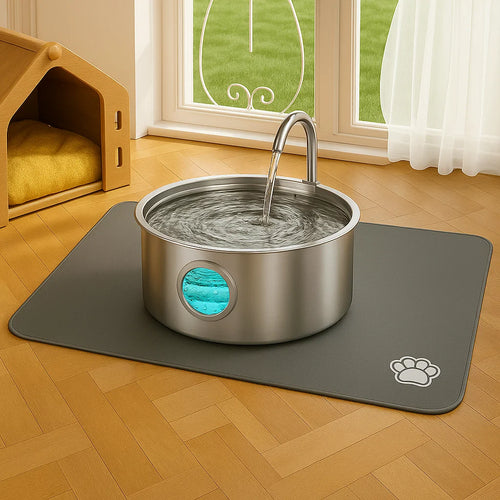
- Use a stainless-steel fountain for constant circulation and freshness.
- Keep water bowls/fountains close to your dog’s resting area.
- Add a splash of low-sodium broth (if approved by your vet) to entice drinking.
- Monitor and measure: Track how much your dog drinks with a measuring cup or by marking the fill line.
Remember, standing water in plastic bowls can harbor bacteria, especially when your dog’s immune system is already working hard to heal. Stainless steel is less porous, easier to sanitize, and resists biofilm buildup—important for keeping recovery infection-free.
Cleaning & Hygiene: Keeping Water Safe for Recovery
Clean water isn’t just a comfort; it’s a medical need. After surgery, immune defenses are focused on healing, so minimizing exposure to bacteria and contaminants is crucial. Here’s a recommended maintenance routine:
| Task | Stainless-Steel Fountain | Plastic Bowl | Ceramic Bowl |
|---|---|---|---|
| Rinse & Refill | Daily | Daily | Daily |
| Deep Clean | Weekly | 2–3x/week | Weekly |
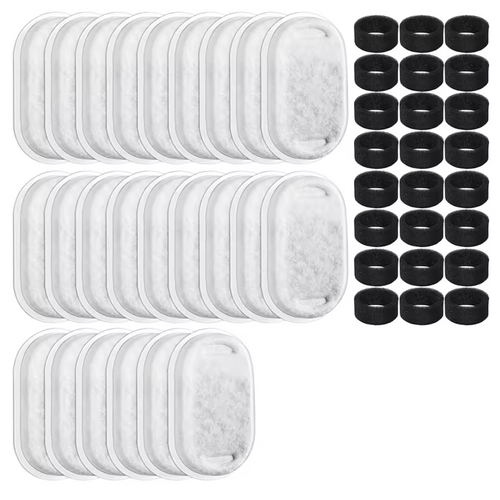
| Filter Change | 2–4 weeks | N/A | N/A |
| Biofilm Risk | Low | High | Moderate |
Stainless-steel fountains, such as those from Pawdrate, offer both hygiene and ease. Their smooth, non-porous surface resists bacterial buildup, and advanced filtration keeps water fresher for longer. This matters more than ever when your dog’s immunity may be lowered post-surgery. Learn more about Pawdrate’s filtered water fountain.
Empowering Your Dog’s Recovery—One Sip at a Time
Helping your dog heal after surgery starts with the simple things: a cozy place to rest, gentle praise, and access to clean, circulating water. Small changes—like switching to a stainless-steel fountain and tracking intake—can protect against complications and support your dog’s return to happy, healthy days.
Above all, remember: You’re not alone in this. Reach out to your veterinarian whenever you’re unsure, and celebrate every small sign of progress. Hydration isn’t just about water—it’s about giving your dog the best chance to feel better, faster.
This article is informational and not medical advice. Always consult your veterinarian for post-surgical care recommendations for your dog.