


As a caring dog parent, you want every detail in your pet’s life to support their health—including the water they drink every single day. If you’ve ever felt frustrated scrubbing out a slimy bowl or worried about your dog’s hydration, you’re not alone. Choosing between a plastic or stainless-steel water fountain isn’t just about looks—it’s about your dog’s wellbeing. This guide will help you understand how the material of your dog’s fountain affects cleanliness, taste, and, most importantly, your dog’s long-term health.
Here’s what you’ll discover:
- How different fountain materials impact hygiene and health
- Risks of biofilm and bacteria from plastic vs stainless
- Cleaning tips and best practices for each type
- How to choose the safest option for your home and your dog
Why Fountain Material Matters for Your Dog’s Health
Water is essential for every process in your dog’s body, from kidney function to energy and skin health. But not all water fountains are created equal. The material of your dog’s fountain affects how clean the water stays, how easy it is to maintain, and even whether your dog wants to drink at all.
Biofilm: The Hidden Threat in Pet Water Bowls
Ever noticed a slippery film on your dog’s bowl? That’s biofilm—a mix of bacteria, saliva, and organic debris. When biofilm builds up, it can harbor harmful bacteria, affect water taste, and lead to health risks like urinary tract infections or upset stomachs.
- Plastic bowls and fountains scratch easily. Those tiny grooves are perfect hiding spots for bacteria and biofilm, even after washing.
- Stainless steel is non-porous and much more resistant to scratches, which means fewer places for bacteria to thrive and easier cleaning for you.
Material Comparison: Plastic vs Stainless vs Ceramic
| Material | Hygiene & Biofilm Risk | Durability | Ease of Cleaning | Other Notes |
|---|---|---|---|---|
| Plastic | High risk (scratches harbor bacteria) | Low (can crack or warp) | Harder to fully sanitize; may stain | May leach chemicals, especially if aged or heated |
| Stainless Steel | Low risk (non-porous, resists biofilm) | High (very durable, resists dents) | Easy—dishwasher safe; no stains | Neutral taste; premium look |
| Ceramic | Moderate (glaze chips risk bacteria) | Moderate (can chip or crack if dropped) | Usually dishwasher safe, but check for cracks | Heavy; sometimes decorative |
How Much Water Should Your Dog Drink?
Regardless of your fountain type, clean, fresh water is key. But how much should your dog actually drink?
| Dog Weight (lbs) | Dog Weight (kg) | Daily Intake (ml) | Daily Intake (cups) |
|---|---|---|---|
| 10 | 4.5 | 110–225 | ~0.5–1 |
| 25 | 11.3 | 280–565 | ~1.2–2.4 |
| 50 | 22.7 | 565–1,135 | ~2.4–4.8 |
| 75 | 34 | 850–1,700 | ~3.6–7.2 |
*Most dogs need 25–50 ml water per kg (about 0.5–1 oz per lb) daily. Needs vary by diet, activity, and health. Always consult your vet for specific guidance.
Cleaning: The Unsung Hero of Pet Hydration
Even the safest material can’t substitute for regular cleaning. Here’s a quick schedule to keep any fountain fresh:
| Task | Plastic | Stainless Steel | Ceramic |
|---|---|---|---|
| Daily Rinse | Yes (removes slime, slows bacteria) | Yes (prevents build-up) | Yes |
| Weekly Deep Clean | Hot soapy water; scrub out scratches | Dishwasher safe or hot soapy water | Dishwasher safe or hot soapy water |
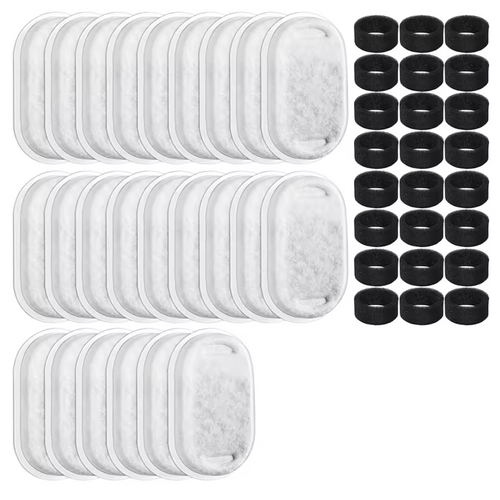
| Filter Change | As directed (often 2–4 weeks) | As directed (often 2–4 weeks) | As directed (often 2–4 weeks) |
Pro tip: Always check for hidden grime and inspect plastic for deep scratches or cloudiness—these are signs it may be time to upgrade.
Choosing the Best Fountain for Your Dog’s Health
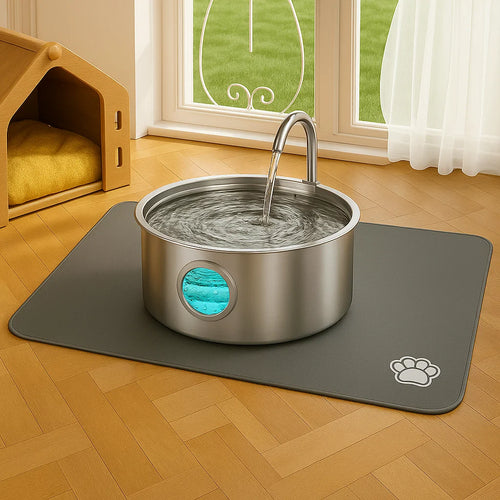
For most families, stainless-steel fountains offer the cleanest, safest, and most durable option. They’re easier to sanitize than plastic, resist bacteria, and last for years. Flowing water—like in the wild—also appeals to dogs’ instincts and can encourage healthier drinking habits.
If you’re ready to upgrade your dog’s hydration routine, consider a premium stainless-steel fountain with advanced filtration. It’s a gentle but powerful way to support your pet’s well-being, every single day.
Empower Your Dog’s Health—One Sip at a Time
Choosing the right water fountain isn’t just about convenience. It’s about giving your dog safe, clean water that supports a long, happy life. With a little knowledge and the right tools, you can transform a daily routine into a powerful act of love and care. Your dog is family—help them thrive with every drink.