


Ever caught a whiff of your dog’s water bowl and winced? You’re not alone. Many dog owners are frustrated by musty, sour-smelling water—even if they clean regularly. But beneath that odor is a story about health, hydration, and your dog’s daily happiness.
This guide will explain why water fountains sometimes smell, how odors signal deeper issues, and how an odorless, stainless-steel dog water fountain can protect your pet’s well-being—without fuss or frustration.
- Odors come from bacteria, biofilm, and stagnant water—signals of health risks, not just inconvenience.
- Plastic and porous materials trap smells; stainless steel resists buildup and keeps water fresher.
- Daily rinsing and weekly deep cleaning are ideal for all fountains.
- Dogs drink more when water is clean, moving, and inviting—supporting energy, kidneys, and overall health.
Why Does My Dog’s Water Fountain Smell?
The culprit is almost always bacteria or biofilm—those invisible, slimy layers that cling to bowls and inner surfaces. When water sits still or flows through plastic, bacteria multiply and create musty, sour, or earthy odors. Your dog may notice before you do, sometimes refusing to drink or drinking less, raising the risk of dehydration.
Common Causes of Odor in Dog Water Fountains
- Stagnant Water: Still water lets bacteria thrive, especially in warm or sunny spots.
- Poor Materials: Plastic is porous and scratches easily, trapping grime and odors. Even ceramic can develop cracks that harbor bacteria.
- Biofilm Formation: That slimy ‘film’ is a mix of bacteria and organic debris—once it starts, odors follow quickly.
- Infrequent Cleaning: Even filtered fountains need regular cleaning and filter changes to stay fresh.
The Hidden Health Risks Behind Bad-Smelling Water
It isn’t just about the smell. Odorous water can discourage your dog from drinking enough, increasing the risk of dehydration, urinary tract infections (UTIs), and kidney stress. In severe cases, bacteria or mold in water can cause digestive upset or illness.
Dogs are sensitive to taste and smell—what seems ‘a little off’ to you may be downright unappealing to your pup.
How Much Water Should My Dog Drink Daily?
Healthy adult dogs generally need about 25–50 ml of water per kilogram of body weight per day (roughly 0.5–1.0 oz per pound). But activity, diet, and weather can all change these needs. Use the table below as a starting point. Always ensure fresh, clean water is available—and call your vet if you notice changes in drinking habits.
| Dog Weight | Daily Water (ml) | Daily Water (cups) |
|---|---|---|
| 10 lbs (4.5 kg) | 110–225 ml | ~0.5–1 |
| 25 lbs (11.3 kg) | 280–565 ml | ~1.2–2.4 |
| 50 lbs (22.7 kg) | 565–1,135 ml | ~2.4–4.8 |
| 75 lbs (34 kg) | 850–1,700 ml | ~3.6–7.2 |
Note: These are general guidelines. Your dog may need more water if it’s very active, eats mostly dry food, or lives in a warm climate.
Stainless Steel vs. Plastic vs. Ceramic: Which Is Most Odor-Resistant?
| Material | Odor Resistance | Biofilm Risk | Durability | Ease of Cleaning |
|---|---|---|---|---|
| Plastic | Poor | High (scratches trap bacteria) | Low–Medium | Challenging |
| Ceramic | Medium | Medium (cracks possible) | Medium | Moderate |
| Stainless Steel | Excellent | Low (smooth, nonporous) | High | Easy |
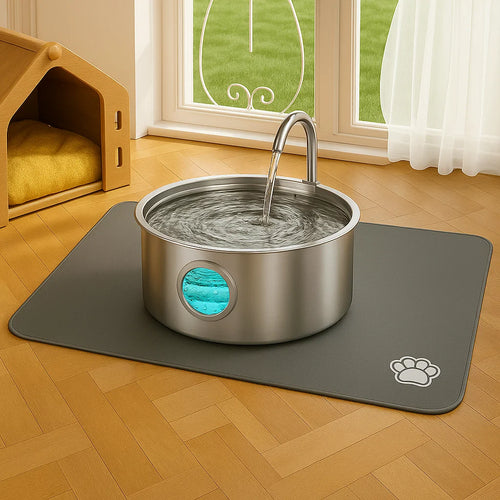
Stainless steel is the clear winner for hygiene, odor prevention, and longevity. That’s why it’s trusted in medical settings and professional kitchens—and why it’s the heart of Pawdrate fountains.
How (and How Often) Should You Clean Your Dog’s Fountain?
Even the best fountain needs routine care. Avoiding odors is about breaking up biofilm before it takes hold. Here’s a simple cadence:
| Task | Recommended Frequency |
|---|---|
| Quick Rinse & Refill | Daily |
| Deep Clean (disassemble, gentle scrub, hot water, mild soap) | Weekly |
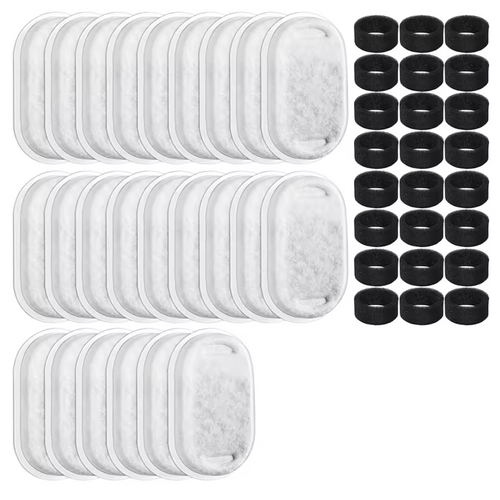
| Filter Replacement | Every 2–4 weeks (check instructions) |
Tip: Stainless steel is dishwasher safe, making deep cleaning even easier. Always dry thoroughly to prevent water spots.
How an Odorless Fountain Can Transform Your Dog’s Drinking Habits
Dogs naturally prefer clean, moving water—it’s instinctive, echoing the streams and springs their wild ancestors relied on. Flowing water stays oxygenated, tastes fresher, and is less likely to harbor bacteria or odors.
By making water inviting, you help your dog stay hydrated, energetic, and resilient—especially as they age or in warmer months.
Ready for Fresh, Odorless Water Every Day?
An odorless, stainless-steel fountain isn’t just about convenience; it’s a daily act of love. If you’re ready to make the switch, explore the Pawdrate Filtered Water Fountain—crafted for freshness, hygiene, and peace of mind.