


Does your dog seem to be drinking more (or less) since starting a new medication? If so, you’re not alone. Many caring dog parents notice sudden changes in thirst and wonder what’s normal—and what might signal a problem.
Medications can play a big role in your dog’s hydration needs and water habits. Understanding these effects can help you keep your dog healthy, comfortable, and safe while on any treatment plan. In this guide, you’ll learn:
- Which common medications increase or decrease thirst
- How much water your dog should typically drink
- Practical tips for safe, clean hydration during treatment
- When to call your vet about medication-related changes
How Medications Affect Dog Thirst
Many medications, while essential for treating health conditions, have side effects that can impact your dog’s thirst and hydration needs. Here are some of the most common categories:
| Medication Type | Common Uses | Effect on Thirst |
|---|---|---|
| Corticosteroids (e.g., prednisone) | Allergies, inflammation, immune conditions | Often increase thirst and urination |
| Diuretics (e.g., furosemide/Lasix) | Heart disease, fluid retention | Increase thirst due to increased urination |
| Anticonvulsants (e.g., phenobarbital) | Seizure control | Can increase thirst |
| Antibiotics | Infections | May alter thirst (varies by drug and dog) |
| Pain medications (NSAIDs, opioids) | Pain management | Some increase or decrease thirst |
| Thyroid medications | Hypothyroidism | Can adjust thirst up or down |
Always check with your veterinarian or pharmacist about specific side effects relevant to your dog’s prescriptions.
Normal Water Intake: What’s Typical for Dogs?
Healthy dogs typically drink 25–50 ml of water per kilogram (about 0.4–0.8 oz per pound) of body weight each day. This can vary depending on activity, weather, diet (wet vs. dry food), age, and—importantly—medications.
| Dog Weight | Minimum (25 ml/kg) per 24h |
Maximum (50 ml/kg) per 24h |
|---|---|---|
| 10 lbs (4.5 kg) | 110 ml (3.7 oz) | 225 ml (7.6 oz) |
| 30 lbs (13.6 kg) | 340 ml (11.5 oz) | 680 ml (23 oz) |
| 60 lbs (27.2 kg) | 680 ml (23 oz) | 1,360 ml (46 oz) |
*These are general guidelines. Actual needs vary; always follow your veterinarian’s advice.
Dehydration and Overhydration: Signs to Watch For
Medication side effects are not always harmless. While increased thirst is a common and usually expected result of some drugs, excessive drinking—or suddenly drinking less—can both be signs to check in with your vet.
Common Dehydration Signs
- Dry, sticky gums or sunken eyes
- Lethargy or unusual tiredness
- Loss of skin elasticity (slow skin tent test)
- Reduced appetite or vomiting
- Dark yellow urine or urinating less
Signs of Overhydration (less common, but possible)
- Unusually clear or excessive urine
- Vomiting after drinking
- Bloating
- Unsteadiness or confusion
- Restlessness or pacing
Supporting Healthy Hydration: Home Tips
- Track water intake. Use a measuring cup or marked bowl/fountain. Write down daily amounts for reference.
- Offer water often. Make sure clean, cool water is always available, especially after medication doses.
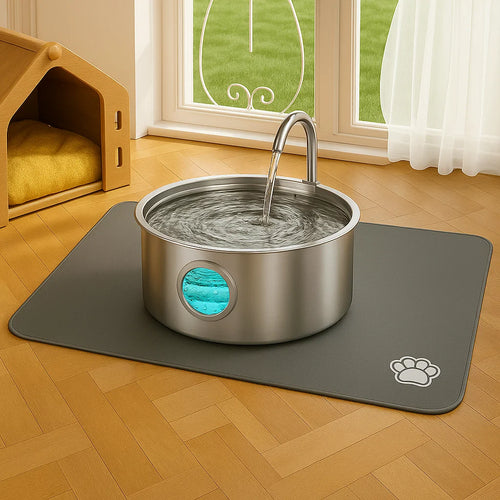
- Choose safe water sources. Flowing, filtered water (like from a stainless-steel fountain) often encourages drinking and helps prevent bacterial growth—especially important for dogs with compromised immunity or chronic illness.
- Keep bowls and fountains clean. Medication can stress the immune system, making clean water even more critical.
Cleaning Cadence and Material Comparison
| Action | Frequency | Why It Matters |
|---|---|---|
| Quick rinse (bowl/fountain) | Daily | Removes saliva, biofilm, and debris |
| Deep clean (hot soapy water) | Weekly | Prevents buildup of bacteria and mold |
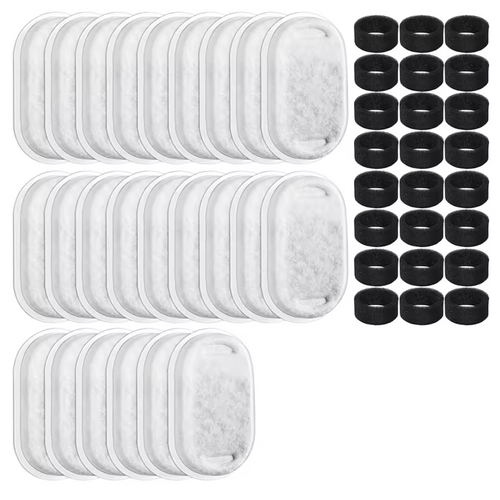
| Filter replacement | Per manufacturer (often monthly) | Ensures water tastes fresh and is well-filtered |
Stainless steel is less likely to harbor bacteria and is easier to sanitize than plastic or ceramic. This becomes especially important if your dog’s immune system is compromised by medication.
Empowering Healthier Habits for Dogs on Medication
Medications can be life-changing for your dog—but they require a bit of extra awareness and care at home. By monitoring water intake, providing clean, flowing hydration, and understanding what’s normal for your pet, you help ensure their treatment is as safe and comfortable as possible.
Many families find that a high-quality, stainless-steel filtered fountain makes it easier to keep water clean and inviting, especially for dogs with changing needs. Explore how a Pawdrate fountain supports healthy hydration here.
Remember—your vigilance and love are key ingredients in your dog’s happy, healthy life, especially during times of change.