


Your dog’s health is your top priority, and sometimes that means medication is part of their daily routine. If you’ve noticed your dog is suddenly much thirstier, you’re not alone—and you’re right to pay attention. Certain medications can increase your dog’s thirst, but when is it normal, and when should you worry? In this guide, we’ll share what you need to know about medications and dog thirst, how to support your dog’s hydration safely, and when it’s time to check in with your vet.
- Some common medications (like steroids and diuretics) can make dogs drink more water.
- Increased thirst is sometimes expected, but monitor for excessive drinking or other symptoms.
- Normal water intake is 25–50 ml/kg (0.4–0.8 oz/lb) of body weight per day.
- Fresh, circulating water is crucial for dogs on medication—clean fountains help prevent infection.
- If your dog seems unwell or thirst is extreme, contact your vet promptly.
Why Do Some Medications Make Dogs Thirstier?
It can feel unsettling to see your dog drain their water bowl more often, but for many medications, it’s a known side effect. Here’s why:
- Corticosteroids (like prednisone): These drugs are prescribed for allergies, arthritis, and autoimmune conditions. They increase thirst as the body’s metabolism and urine output rise.
- Diuretics (such as furosemide): Used for heart disease or fluid retention, these medications help remove excess fluid—leading to increased urination and thirst.
- Anticonvulsants (like phenobarbital): Sometimes prescribed for seizures, these can also make dogs thirsty.
- Other medications: Some antibiotics, anti-inflammatories, and hormone therapies may also have this effect.
Not every dog reacts the same way, so it’s important to observe your pet and take notes on patterns or changes.
How Much Water Should My Dog Drink?
The general rule: a healthy adult dog should drink about 25–50 milliliters of water per kilogram of body weight daily (that’s roughly 0.4–0.8 ounces per pound). Factors like diet, exercise, weather, and, yes, medication, can shift this range.
Daily Water Intake by Weight
| Dog Weight | Daily Water Range |
|---|---|
| 10 lbs (4.5 kg) | 180–360 ml (6–12 oz) |
| 30 lbs (13.6 kg) | 340–680 ml (12–23 oz) |
| 60 lbs (27.2 kg) | 680–1360 ml (23–46 oz) |
| 90 lbs (40.8 kg) | 1020–2040 ml (34–69 oz) |
Dogs on certain medications may be at the higher end—or slightly above—these ranges. Always check with your vet for personalized guidance.
Signs Your Dog’s Thirst Isn’t Normal
When is thirst from medication okay, and when is it a red flag? Watch for these signs:
- Your dog is drinking more than twice their usual amount
- Emptying their bowl multiple times a day, or waking to drink at night
- Accidents in the house, especially if house-trained
- Changes in appetite, vomiting, diarrhea, or lethargy
- Noticeable weight loss or gain
If you notice these, or if the increased thirst began suddenly after starting a new medication, it’s best to consult your veterinarian.
Supporting Safe Hydration for Dogs on Medication
When thirst increases, access to water becomes even more important. Dogs on medications may be at higher risk for dehydration or urinary tract infections if they don’t get enough fresh, clean water. Here’s how to help:
- Keep water available at all times—never restrict access, even for house-training.
- Use a large, clean bowl or fountain that’s easy to access and refill.
- Monitor water levels daily so you can spot changes or issues quickly.
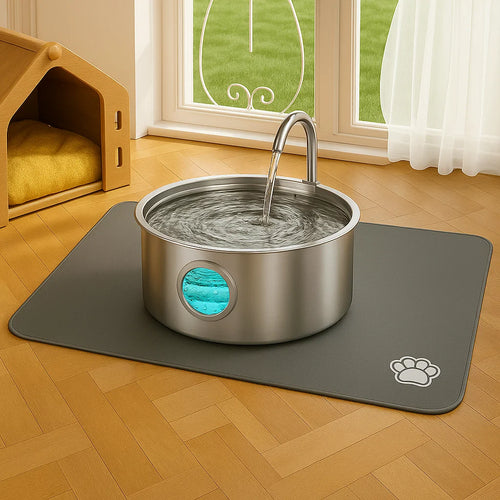
- Consider a filtered, stainless-steel fountain to prevent bacterial build-up and encourage healthy drinking.
Why Fountain Hygiene Matters—Especially Now
Dogs on medication may be more vulnerable to infections, so water hygiene is critical. Stainless-steel fountains are less likely to develop biofilm (the slimy layer where bacteria grow) than plastic or ceramic. Flowing water also discourages stagnation, making it fresher and safer for your dog to drink.
Cleaning & Maintenance Table
| Task | Recommended Frequency |
|---|---|
| Quick Rinse & Refill | Daily |
| Deep Clean (with soap & brush) | Weekly |
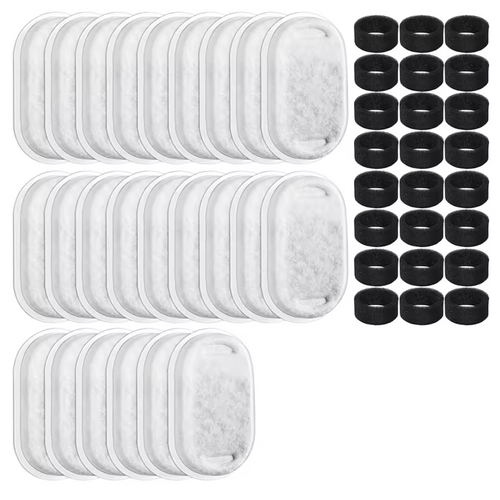
| Filter Replacement | Every 3–4 weeks |
Material Matters: Stainless Steel vs. Plastic vs. Ceramic
| Material | Hygiene | Durability | Biofilm Risk |
|---|---|---|---|
| Stainless Steel | Excellent; resists bacteria | Very high | Low |
| Plastic | Prone to scratches, holds bacteria | Moderate | High |
| Ceramic | Better than plastic; can chip | Moderate | Medium |
Gentle Steps: Creating a Healthy Hydration Routine
- Set reminders for cleaning and filter changes—consistency is key.
- Track your dog’s daily water intake for a week after starting new medication.
- Choose a spot for your dog’s water fountain where they feel safe and relaxed.
- Offer encouragement and praise when your dog drinks—positive habits last.
Empowering You and Your Dog
With knowledge and the right habits, you can help your dog thrive—even when medication changes things. Fresh, flowing water in a clean, stainless-steel fountain can make a meaningful difference, especially for dogs whose thirst is changing. Learn more about the benefits of a premium fountain for dogs on medication.
Your attention and care are the best gifts you can give your dog. You’re not just managing a side effect—you’re giving your companion the gift of a longer, healthier life.