
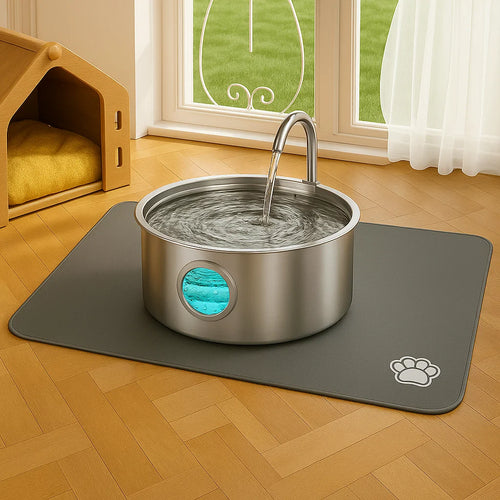


Life gets busy—but your dog’s hydration shouldn’t suffer because of a packed schedule or the hassle of daily cleaning. If you’ve ever peered into a slimy water bowl or wrestled with a complicated pet fountain, you’re not alone. Many dog lovers want the health benefits of flowing, filtered water but worry about upkeep. The good news? There’s a way to make hydration nearly effortless—without sacrificing hygiene or style.
In this guide, you’ll discover what truly makes a pet fountain low maintenance, how material and design affect cleaning time, and how to choose a fountain that fits seamlessly into your life. Plus, you’ll get practical hydration benchmarks for your dog’s size, a quick-reference table for cleaning routines, and tips to help you spend less time scrubbing—and more time enjoying your healthy, happy pup.
Why Low-Maintenance Matters—For You and Your Dog
Most dogs don’t drink enough water when bowls get dirty—or when owners are too busy to clean them daily. Dehydration can lead to fatigue, kidney trouble, or urinary issues. But let’s be real: cleaning awkward, slimy bowls is no one’s favorite chore. Low-maintenance pet fountains solve this by combining hygienic materials, smart design, and continuous water movement. The results? Cleaner water, happier dogs, and less work for you.
What Makes a Pet Fountain Low Maintenance?
- Smooth, Non-Porous Surfaces: Stainless steel resists biofilm and bacteria—unlike plastic, which can develop scratches that trap slime. Ceramic can be better than plastic but is heavier and may chip.
- Simple Design: Fountains with fewer parts and minimal crevices are quicker to rinse and reassemble.
- Removable, Dishwasher-Safe Components: The ability to toss parts directly into the dishwasher means less scrubbing by hand.
- Quality Filtration: Multi-stage filters help keep water fresher for longer—reducing grime and odors.
- Continuous Circulation: Flowing water discourages slime and encourages dogs to drink more.
Material Comparison: How Maintenance Stacks Up
| Material | Hygiene | Durability | Cleaning Effort | Biofilm Risk |
|---|---|---|---|---|
| Stainless Steel | Excellent—non-porous, resists bacteria | High—won’t crack or scratch easily | Easy—dishwasher safe, no deep scratches | Low |
| Plastic | Poor—scratches easily, traps bacteria | Low—can discolor and crack | High—needs frequent, thorough scrubbing | High |
| Ceramic | Good—non-porous, but can chip | Moderate—breakable if dropped | Moderate—heavier to handle, risk of chips | Moderate |
Takeaway: Stainless steel fountains offer the best blend of hygiene, durability, and low maintenance—perfect for busy homes.
How Much Water Does My Dog Need?
A good rule of thumb: Most dogs need about 25–50 ml of water per kg (about 0.4–0.8 oz per lb) of body weight each day. Needs rise with hot weather, exercise, or kibble-based diets (dry food dogs drink more).
| Dog Weight | Daily Water Needs (ml) | Daily Water Needs (cups) |
|---|---|---|
| 10 lbs (4.5 kg) | 110–225 ml | ~0.5–1 cup |
| 25 lbs (11 kg) | 275–550 ml | ~1.2–2.3 cups |
| 50 lbs (23 kg) | 575–1150 ml | ~2.4–4.8 cups |
| 75 lbs (34 kg) | 850–1700 ml | ~3.6–7.2 cups |
Tip: If your dog’s bowl or fountain is empty before the end of the day, they may need a larger capacity or more frequent refills.
Cleaning Routine: How Little Can You Get Away With?
| Task | Frequency |
|---|---|
| Quick Rinse & Refill | Daily |
| Deep Clean (Scrub & Dishwasher) | Weekly |
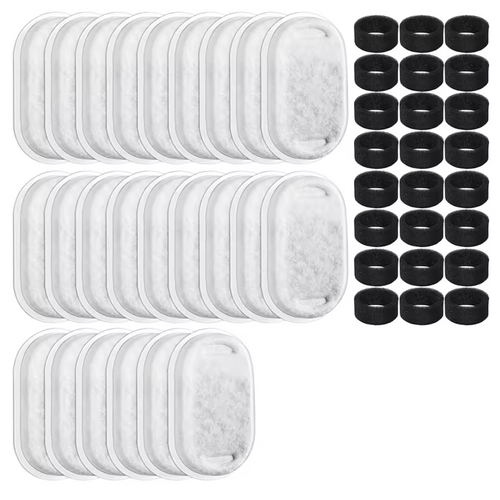
| Replace Filter | Every 2–4 weeks (check product guidelines) |
With a well-designed stainless steel fountain, daily cleaning is as simple as a quick rinse and refill—no need for harsh scrubbing. A weekly wash (either by hand or in the dishwasher) is enough to keep things sparkling. Filters should be swapped as directed, based on water quality and usage.
Signs Your Fountain Isn’t Low Maintenance—Yet
- Visible slime or odor, even after cleaning
- Hard-to-reach crevices, or parts that never feel truly clean
- Frequent filter clogging or unclear replacement schedule
- Plastic scratches or discoloration, making it harder to clean over time
- You feel dread (not ease) when it’s time to clean it
Practical Tips for Effortless Pet Hydration
- Opt for stainless steel, not plastic, to minimize bacteria and cut cleaning time.
- Choose a fountain with removable, dishwasher-safe parts and a simple design.
- Keep an extra filter on hand for easy swaps.
- Establish a quick daily rinse routine—takes less than a minute with the right fountain.
Why Flowing, Filtered Water Makes Life Easier
Just as moving water in nature stays fresher than a stagnant puddle, a circulating fountain keeps water clean and appealing. Dogs are naturally drawn to the sound and motion—meaning they drink more, and you refill less. With a stainless-steel, filtered design, you can rest easy knowing bacteria and slime are minimal—and maintenance is truly low-key.
Ready to simplify your routine and help your dog thrive? Explore how a stainless-steel, filtered fountain can fit into your home—and your busy life. Make hydration effortless, hygienic, and stress-free for both of you.
Takeaway: Hydration Made Simple—For You and Your Best Friend
You don’t have to choose between your schedule and your dog’s well-being. The right pet fountain—made from durable, hygienic stainless steel—turns clean water from a daily chore into a lasting habit. Less time cleaning. More time living. That’s the Pawdrate promise: give your dog the gift of a longer, healthier life—without extra hassle.