

As the loving owner of a large breed dog, you know that their needs can be bigger—in every sense. Hydration is no exception. Whether you share your home with a Labrador, German Shepherd, Great Dane, or another gentle giant, ensuring they stay properly hydrated is key to their health, comfort, and longevity.
In this guide, you’ll learn how much water your large dog truly needs, what dehydration looks like (and when it’s serious), how hygiene and water quality can affect big breeds, and practical routines for a lifetime of healthy hydration.
- Large dogs need 25–50 ml/kg (0.4–0.8 oz/lb) of water daily, often 2–3+ quarts for adults.
- Signs of dehydration can be subtle—watch for lethargy, sticky gums, and changes in urination.
- Stainless-steel fountains help prevent biofilm and keep water fresh, especially for big drinkers.
- Daily rinsing & weekly deep cleans are essential for hygiene.
- Always consult your vet if you notice sudden changes in drinking or urination.
Why Hydration Matters More for Large Breed Dogs
Big dogs move more water, more quickly. Their size means a greater need for fluids, especially with exercise, warm weather, or dry indoor air. Even a mild shortfall in hydration—easier to miss with a large bowl or bucket—can impact their joints, kidneys, energy, and mood.
- Kidney health: Adequate hydration flushes toxins and supports urinary tract health, lowering the risk of UTIs or stones.
- Joints & muscles: Water lubricates joints—a real benefit for breeds prone to arthritis.
- Skin & coat: Hydrated skin means less flaking and itching; a healthy coat is softer and shinier.
- Energy & cognition: Dehydration can cause sluggishness, confusion, or even fainting in severe cases.
How Much Water Does Your Large Dog Need?
While every dog is unique, a common guideline is 25–50 ml per kilogram of body weight per day (about 0.4–0.8 ounces per pound). Puppies, very active dogs, nursing moms, and those on dry kibble will need more. Canned food provides some hydration, so adjust accordingly.
| Dog Weight | Daily Water Needs (ml) | Daily Water Needs (cups) |
|---|---|---|
| 60 lbs (27 kg) | 675–1,350 ml | 2.8–5.7 cups |
| 80 lbs (36 kg) | 900–1,800 ml | 3.8–7.6 cups |
| 100 lbs (45 kg) | 1,125–2,250 ml | 4.7–9.5 cups |
| 150 lbs (68 kg) | 1,700–3,400 ml | 7.2–14.4 cups |
These ranges are general—always adjust for heat, exercise, and your vet's advice.
Spotting Dehydration in Large Breeds
With big dogs, subtle changes can be easily missed. Here’s what to watch for:
- Mild signs: Lethargy, tacky or sticky gums, less interest in food, slightly sunken eyes.
- Moderate signs: Panting without exertion, dry nose, reduced skin elasticity (skin on back stays tented), darker urine.
- Severe signs: Weakness, collapse, vomiting, rapid heart rate, no urination in 8+ hours.
If you notice any moderate or severe signs, act promptly.
Practical Hydration Routines for Big Dogs
- Freshen water daily: Large dogs can contaminate bowls faster—slobber, food, and debris are common.
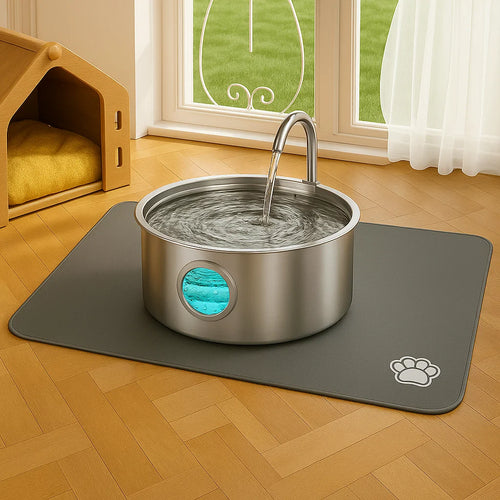
- Use a deep, stable fountain: Flowing water entices drinking and prevents stagnation, which can lead to bacterial growth.
- Multiple stations: Consider more than one water source—especially in multi-level homes or during summer.
- Monitor & measure: Check water levels every evening so you know your dog’s typical consumption.
- Adjust for activity & weather: Hikes, high playtime, or heat waves? Offer water breaks and increase portions.
Why Stainless Steel Is Best for Large Breed Hydration
| Material | Hygiene | Durability | Biofilm/Bacteria Risk |
|---|---|---|---|
| Stainless steel | Excellent—non-porous, easy to sanitize | High—no cracking or chipping | Lowest |
| Ceramic | Good if glazed, but can chip | Medium—prone to cracks | Medium |
| Plastic | Poor—scratches harbor bacteria | Low—scratches, discoloration | Highest |
Large dogs are hard on their gear—stainless steel resists wear and keeps water safer. Flowing fountains prevent stagnant spots and biofilm, making it easier to support your dog’s best health.
Cleaning Cadence for Large Dogs
| Task | Frequency |
|---|---|
| Rinse & refill bowl/fountain | Daily |
| Deep clean with soap & scrub | Weekly |
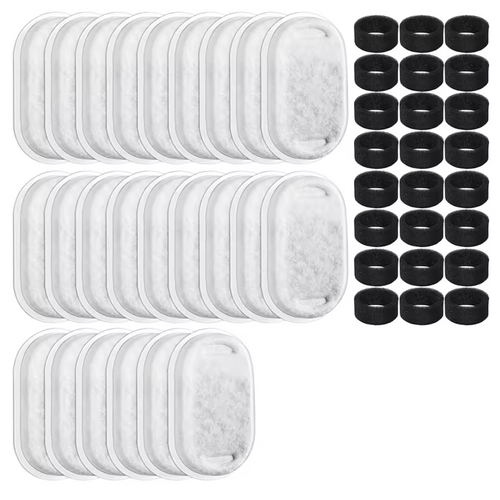
| Replace filter (if using fountain) | Every 2–4 weeks (per manufacturer) |
Big breeds can introduce more contaminants—don’t skip those routine cleans!
Supporting Health: From Routine to Fountain
Investing in your large dog’s hydration is a loving, lifelong commitment. Clean, filtered, flowing water not only invites more frequent drinking but also minimizes the risks associated with stagnant or contaminated water.
If you’re ready to make hydration easier and safer for your big dog, learn more about our Pawdrate stainless-steel filtered water fountain. It’s designed for effortless cleaning, maximum hygiene, and the needs of even the thirstiest companions.