


Kidney disease in dogs is a diagnosis that can leave any pet parent feeling anxious and uncertain. If your dog has kidney concerns—or you want to help prevent them—one of the most powerful tools is as simple as fresh, clean water. Yet, many owners discover too late how quickly dehydration can complicate kidney health. Let’s walk through the essentials: how hydration supports your dog’s kidneys, what to watch for, and everyday habits that can truly make a difference.
- Dogs with kidney issues need extra support to stay hydrated—water helps kidneys filter toxins.
- Daily water intake should be 25–50 ml per kg of body weight (about 0.4–0.8 oz per lb), but needs may be higher if your dog is ill.
- Early dehydration is subtle; severe dehydration is an emergency—know the signs.
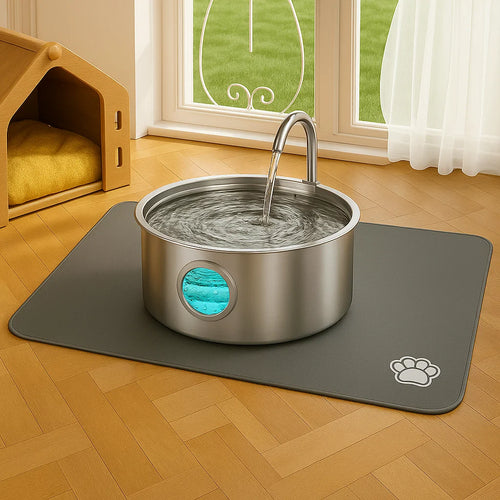
- Fresh, filtered water and hygienic bowls/fountains (especially stainless steel) are crucial for sensitive pets.
- Always consult your vet for individualized guidance, especially if your dog has kidney disease.
How Hydration Supports Your Dog’s Kidneys
Think of your dog’s kidneys as hardworking filters. They remove waste and help balance fluids and minerals. Just like in people, a dog’s kidneys rely on water to do their job. When a dog is even moderately dehydrated, the kidneys struggle to flush out toxins—which can speed up kidney damage, increase discomfort, and even affect energy and appetite.
Why Dogs With Kidney Disease Are at Higher Risk
Dogs with kidney disease often lose more water through urine than healthy dogs. This means they’re quicker to become dehydrated, especially during warm weather, after exercise, or if they’re on certain medications or special diets. Chronic dehydration puts extra pressure on the kidneys, creating a vicious cycle.
How Much Water Does My Dog Need?
Every dog is unique, but most healthy adult dogs should drink about 25–50 ml of water per kilogram of body weight per day (or 0.4–0.8 ounces per pound). Dogs with kidney issues may need more—sometimes double—especially if on a low-protein or prescription kidney diet.
| Dog Weight | Daily Water (Low End) | Daily Water (High End) |
|---|---|---|
| 10 lbs (4.5 kg) | 180 ml (6 oz) | 360 ml (12 oz) |
| 25 lbs (11 kg) | 275 ml (9 oz) | 550 ml (18 oz) |
| 50 lbs (23 kg) | 575 ml (19 oz) | 1150 ml (39 oz) |
| 75 lbs (34 kg) | 850 ml (29 oz) | 1700 ml (58 oz) |
Recognizing Dehydration: Signs and Severity
With kidney disease, early dehydration can be surprisingly subtle. Here’s what to watch for:
- Mild: Slightly dry gums, less interest in water, reduced skin elasticity (skin tent test).
- Moderate: Noticeably tacky gums, sunken eyes, lethargy, dark yellow urine.
- Severe (Emergency): Refusal to eat or drink, collapse, very dry gums, rapid heart rate.
If your dog has kidney disease, even mild dehydration should prompt a call to your veterinarian.
Making Hydration Easier for Dogs With Kidney Disease
- Refresh water frequently—stale, warm water is less appealing and may harbor bacteria.
- Consider a pet fountain: Many dogs drink more from moving water, which mimics natural streams and stays fresher.
- Choose stainless steel: It’s non-porous, resists biofilm, and is recommended for immune-compromised pets—unlike plastic, which can harbor bacteria.
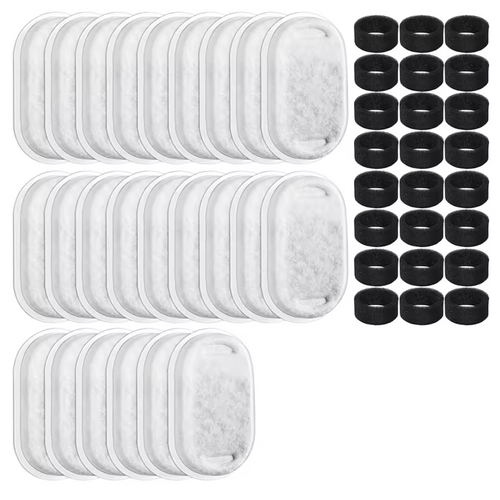
- Clean all water containers daily. For fountains, rinse every day and do a deep clean weekly; replace filters as recommended.
- Place water in multiple locations, especially if your dog has limited mobility or is easily fatigued.
| Material | Hygiene | Durability | Biofilm Risk | Best For |
|---|---|---|---|---|
| Stainless Steel | Excellent – non-porous, easy to sanitize | High | Low | All dogs; especially health-compromised |
| Plastic | Poor – scratches harbor bacteria | Low-Med | High | Short-term use only, best avoided |
| Ceramic | Good if glazed | Medium | Medium | Healthy dogs only |
| Task | Recommended Frequency |
|---|---|
| Rinse Bowl/Fountain | Daily |
| Deep Clean Fountain | Weekly |
| Replace Filter | As directed (usually every 2–4 weeks) |
Small Changes, Big Difference: Building a Hydration Routine
For families managing kidney health, every sip counts. If you’ve struggled with your dog ignoring stagnant bowls or you’re worried about bacteria build-up, a flowing, filtered stainless-steel fountain can make daily hydration easier and more appealing—supporting your dog’s kidneys, energy, and comfort.
Empowerment for Pet Parents
Kidney disease may feel overwhelming, but you have real power in daily habits. Clean, appealing water isn’t just a comfort—it’s a lifeline for your dog’s health and happiness. Celebrate every small win and check in regularly with your vet. Your care, and your dog’s water, are both worth it.
This article is informational and not medical advice—always consult your veterinarian for specific guidance.