


It’s never easy leaving your dog in a kennel, whether it’s for a day at daycare, a weekend away, or a longer boarding stay. One common worry among caring owners: Will my dog stay healthy and hydrated when I’m not there?
In this guide, you’ll learn how kennel environments can impact hydration, practical steps to keep your dog’s water clean and fresh, and how premium materials like stainless steel help protect your pet’s health. We’ll also share easy ways to estimate your dog’s water needs, plus signs to watch for after any stay away from home.
Why Hydration Is Harder in Kennels
Even the best-run kennels present hydration challenges. Dogs may drink less due to anxiety, unfamiliar bowls, or increased activity. Shared water sources mean higher risk of contamination—bacteria, saliva, and even fur accumulate quickly, especially in plastic bowls or standing water. In group environments, shy or lower-ranked dogs may avoid drinking if more assertive dogs crowd the bowl.
Dehydration isn’t always obvious. Mild cases can cause fatigue, dry nose, or less energetic play. Severe dehydration is serious—leading to kidney stress, urinary tract issues, or even medical emergencies if left unchecked.
How Much Water Does My Dog Need?
On average, healthy dogs need 25–50 milliliters of water per kilogram of body weight per day (about 0.4–0.8 ounces per pound). If your dog eats mostly dry food, is extra active, or the kennel is warm, needs may be higher. Always consult your vet for individual guidance, especially if your dog has health conditions or takes medication.
| Dog Weight | Daily Water Range |
|---|---|
| 10 lbs (4.5 kg) | 6.5–13 oz (195–390 ml) |
| 30 lbs (13.6 kg) | 20–40 oz (585–1170 ml) |
| 60 lbs (27.2 kg) | 40–80 oz (1170–2340 ml) |
| 90 lbs (40.8 kg) | 60–120 oz (1750–3500 ml) |
Note: These are general ranges; always adjust based on your dog’s breed, age, food, and activity level.
Signs of Dehydration in Dogs
- Mild: Lethargy, dry gums, sticky saliva, less interest in water.
- Moderate: Sunken eyes, loss of skin elasticity (skin stays tented when gently pinched), dark yellow urine, less urination.
- Severe: Rapid heart rate, weakness, collapse, vomiting or diarrhea. Contact your vet immediately if you see these signs.
If your dog returns from a kennel acting off, check for these symptoms and offer fresh, cool water. When in doubt, call your vet for advice.
How Kennels Can Improve Water Hygiene
Not all water bowls or systems are created equal. Here’s how different materials and routines impact your dog’s health, especially in shared environments:
| Material | Hygiene | Durability | Biofilm Risk* |
|---|---|---|---|
| Stainless Steel | Excellent (nonporous, easy to sanitize) | High | Low |
| Plastic | Poor (scratches harbor bacteria) | Low (cracks, stains easily) | High |
| Ceramic | Good (can chip, glazed safer) | Moderate | Moderate |
*Biofilm is a slimy layer where bacteria thrive—much harder to control in plastic or chipped ceramic bowls.
Cleaning and Maintenance: Routine Matters
Any water source needs consistent care, especially in group settings. Here’s a practical cadence for kennel water hygiene:
| Task | Frequency |
|---|---|
| Rinse and refill bowls/fountains | Daily (or more often in busy kennels) |
| Deep clean with pet-safe soap | Weekly |
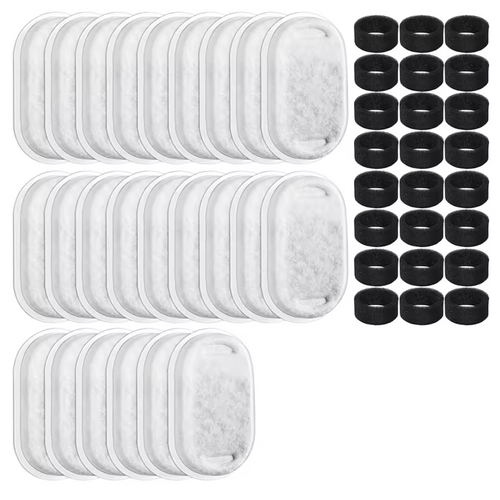
| Replace filters (for fountains) | As directed (usually monthly) |
Ask your kennel about their cleaning routine—and feel free to request photos or details for peace of mind.
Practical Tips for Owners: Before and After Kenneling
- Pack familiar water and a clean bottle for stressful drop-offs or long car rides.
- Ask the kennel what water systems they use—request stainless steel or filtered fountains if possible.
- Provide your dog’s typical water dish for their run—familiar smells can encourage drinking.
- Let staff know if your dog is shy or picky about water.
- Monitor urine color, energy, and appetite when your dog returns home. Offer extra opportunities to drink.
Why Flowing, Filtered Water Makes a Difference
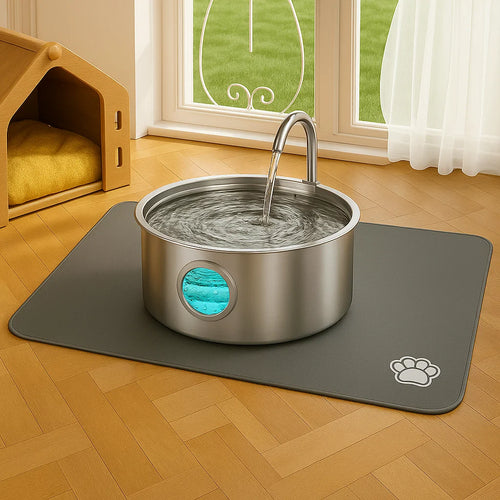
In nature, animals instinctively seek out running water for a reason: it’s fresher, cooler, and less likely to harbor bacteria. In kennels, flowing, filtered water systems—especially those made of surgical-grade stainless steel—help keep water cleaner, encourage drinking, and minimize the risk of disease spread.
Upgrading to a premium stainless-steel fountain at home (and encouraging your kennel to do the same) can support your dog’s hydration habits year-round. Explore the Pawdrate Filtered Water Fountain to give your pet the clean, moving water they’re naturally drawn to.