


Empathy for Owners: If you’ve noticed your dog scratching, biting, or licking their skin more than usual, you’re not alone. Itchy skin is one of the most common concerns among dog parents—and while allergies, parasites, and weather are often to blame, dehydration is a hidden and surprisingly common factor.
This article explores how dehydration can contribute to your dog’s skin discomfort, how to spot the difference, and what practical steps you can take to help your dog feel better—starting with their water bowl.
What to Know: Dehydration & Itchy Skin in Dogs
- Dehydration can cause or worsen dry, itchy skin in dogs.
- Many dogs don’t drink enough, especially if water is stale or their bowl isn’t clean.
- Normal water intake: 25–50 ml/kg (about 0.4–0.8 oz/lb) body weight daily—varies by age, diet, and activity.
- Watch for subtle dehydration signs: tacky gums, lethargy, skin tenting, and increased scratching.
- Improved hydration (with clean, flowing water) can help support a softer coat and healthier skin.
Why Hydration Matters for Your Dog’s Skin
Your dog’s skin is their largest organ, acting as a barrier and helping regulate temperature. Skin health depends on adequate moisture from within—just like in people. When dogs don’t get enough water, their skin may become dry, flaky, and prone to itchiness.
Hydration helps to:
- Maintain the skin’s natural barrier function
- Reduce shedding and dander
- Promote a shiny, resilient coat
- Protect against external irritants
Even mild dehydration over days or weeks can lead to subtle but persistent skin discomfort.
How Much Water Does Your Dog Need?
General guidelines suggest dogs need about 25–50 ml of water per kilogram of body weight daily (roughly 0.4–0.8 oz per pound). Needs increase with heat, exercise, dry food diets, and certain health conditions. Here’s a simple calculator to estimate your dog’s daily minimum requirement:
| Dog Weight (lbs) | Minimum (oz) | Maximum (oz) |
|---|---|---|
| 10 | 4 | 8 |
| 25 | 10 | 20 |
| 50 | 20 | 40 |
| 75 | 30 | 60 |
Note: These are general ranges. Puppies, seniors, and very active dogs may need more. Always follow your veterinarian’s advice.
Dehydration Signs: When to Suspect Hydration Issues
Itchy skin can have many causes, but dehydration often shows up with other subtle symptoms. Watch for:
- Tacky or dry gums (should feel moist and slippery, not sticky)
- Skin tenting (gently lift the skin at the scruff—if it’s slow to flatten, your dog may be dehydrated)
- Lethargy or less playful than usual
- Loss of skin elasticity
- Dry, flaky patches or increased scratching
- Dull coat or excess shedding
Other causes like allergies, fleas, or medical conditions can also contribute—always check with your vet if you’re unsure.
Why Water Source & Bowl Material Matter for Skin Health
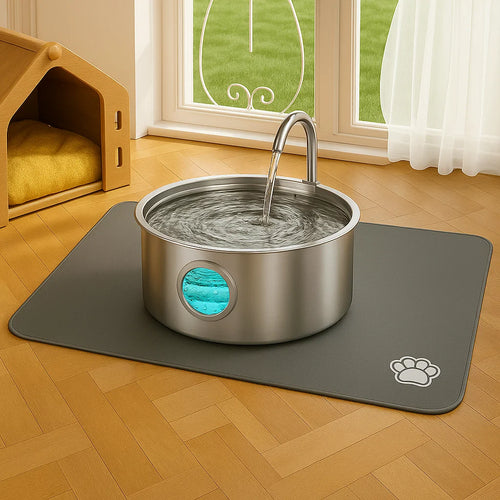
Many plastic bowls and fountains develop tiny scratches and porous surfaces over time, allowing bacteria and biofilm to thrive. These can irritate your dog's skin and discourage them from drinking enough—especially if water smells or tastes off. Stainless-steel fountains, by contrast, are:
- Non-porous and resistant to bacterial buildup
- Easy to clean thoroughly (dishwasher-safe)
- Free from plastic leaching and lingering odors
- Keep water cool, fresh, and appealing
| Material | Hygiene | Durability | Biofilm Risk |
|---|---|---|---|
| Stainless Steel | Excellent | Very High | Low |
| Plastic | Poor (scratches easily) | Low | High |
| Ceramic | Good (if glazed, chip risk) | Moderate | Moderate |
Choosing a clean, stainless-steel fountain with fresh-flowing water can make a real difference—encouraging your dog to drink more and supporting healthier skin from the inside out.
Cleaning Habits for Healthier Skin
- Rinse bowls/fountains daily to prevent slime and buildup.
- Deep clean weekly (dishwasher or hot water with soap).
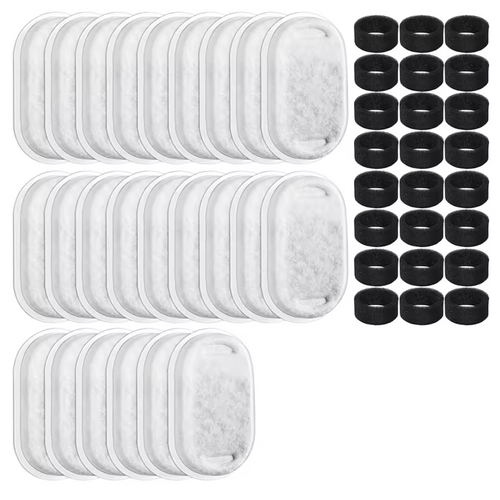
- Replace filters as recommended (usually every 3–4 weeks; check your fountain’s guide).
| Task | How Often |
|---|---|
| Rinse Fountain/Bowl | Daily |
| Deep Clean (soap/dishwasher) | Weekly |
| Replace Filter | Every 3–4 weeks |
Staying on top of cleaning not only prevents bacteria but also keeps water tasting great, encouraging your dog to stay hydrated.
How to Encourage Better Hydration (and Less Itching)
- Switch to a stainless-steel fountain for cleaner, fresher water.
- Place water in multiple locations, especially if you have a large home.
- Offer ice cubes or add a splash of low-sodium broth for extra encouragement.
- Monitor your dog’s daily water intake—track if needed, especially during hot weather or after exercise.
- Keep up with regular cleaning to prevent unappealing odors.
Remember: Improving hydration can help many dogs feel more comfortable in their skin, but persistent or severe itching always deserves a conversation with your vet.
Gentle Next Steps for Healthier, Happier Skin
Itchy, dry skin can be a sign your dog needs more water—or better quality water. Choosing a premium, flowing stainless-steel fountain can help support hydration from the inside out, for a shinier coat and more comfortable days.
If you’re ready to help your dog feel their best, see how upgrading their water routine can make a difference: Explore the Pawdrate Filtered Water Fountain.
Every extra sip is a gift to your dog’s health.