


As pet parents, we notice everything about our dogs—their quirks, energy, and joy in daily moments. But sometimes, subtle changes hint at something deeper. If your dog ever seemed off—more tired, less playful, or just not their usual self—hydration could be the hidden hero waiting to make a difference. In this article, you'll meet real dogs whose lives changed for the better, all thanks to improved water habits. We'll share their journeys, the science behind canine hydration, and gentle steps to help your own dog thrive.
- Many common dog health issues—like fatigue or dry skin—can be linked to dehydration.
- Switching to fresh, flowing water inspired real, visible improvements for dogs in this article.
- Optimal dog water intake: 25–50 ml/kg (0.4–0.8 oz/lb) of body weight per day—varies by diet, weather, and activity.
- Maintaining clean, hygienic water is crucial—stainless steel fountains reduce bacteria and biofilm risk.
- Always consult your vet with sudden or severe health changes.
Real-Life Transformations: Hydration Success Stories
Maggie the Lab: From "Lethargic" to Lively
Maggie, a 6-year-old Labrador Retriever, always loved her morning walks. Over one summer, her owner Jenna noticed Maggie was napping more and didn’t finish her food. At first, Jenna blamed the heat. But Maggie’s energy never returned—even on cooler days. Their vet ruled out illness and gently asked, “How much water is Maggie really drinking?”
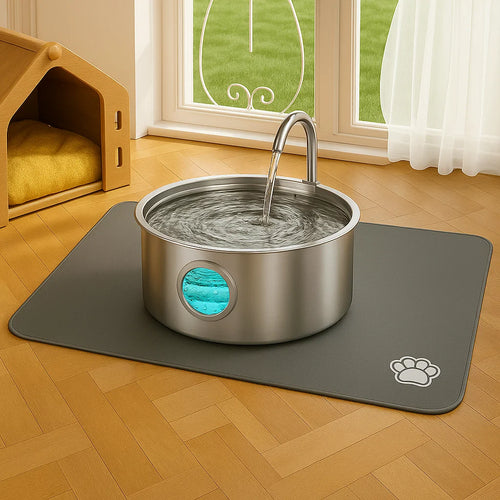
Jenna realized Maggie rarely touched her bowl, especially by midday. The water grew warm and stale quickly. After switching to a flowing, stainless-steel fountain, Maggie’s interest piqued. Within a week, Jenna saw brighter eyes, fewer accidents, and that familiar tail wag back on walks. Maggie’s story is a reminder that clean, appealing water can restore the spark we love in our dogs.
Benny’s Battle with Dry Skin
Benny, a rescue Beagle, struggled with flaky skin and dull fur. His family tried supplements and special shampoos, but nothing lasted. During a grooming visit, a tech mentioned Benny’s bowl always had a film, and he barely drank. Curious, the family researched cleaner water solutions and invested in a stainless fountain. Not only did Benny start drinking more, but within a month, his coat looked silkier and his skin calmed. Sometimes, the smallest change—reliable hydration—makes the biggest difference for whole-body health.
Sasha’s Senior Comeback
Sasha, a 10-year-old Husky mix, had started having more UTIs. Her family worried it was just her age. But their vet emphasized the importance of water circulation and bowl hygiene for preventing bacteria buildup—especially for older dogs. After replacing their old plastic dish with a premium, easy-to-clean stainless fountain, Sasha drank more consistently and her UTI frequency dropped. Her family now calls water their “secret weapon” for supporting healthy aging.
How Much Water Does Your Dog Need?
Every dog is unique, but there are helpful guidelines for daily hydration. Factors like activity level, weather, and diet (dry vs. wet food) will affect your dog’s needs. Use the table below as a starting point for your own observations:
| Dog Weight (lbs) | Dog Weight (kg) | Daily Water Range (oz) | Daily Water Range (ml) |
|---|---|---|---|
| 10 | 4.5 | 4–8 | 110–220 |
| 25 | 11.3 | 10–20 | 280–570 |
| 50 | 22.7 | 20–40 | 570–1,135 |
| 75 | 34 | 30–60 | 850–1,700 |
| 100 | 45.4 | 40–80 | 1,135–2,270 |
Note: These are general guidelines. Your dog's needs may differ—consult your veterinarian for advice tailored to your pet.
Spotting Dehydration: Signs & Next Steps
- Mild signs: Less energy, dry nose or gums, loss of skin elasticity (gentle pinch test).
- Moderate: Sunken eyes, panting, less urination.
- Severe: Vomiting, collapse, refusing water—requires immediate vet care.
Prevention is easier than you think. Encourage water breaks, keep bowls clean, and notice patterns—many dogs drink more when water is cool, moving, and fresh.
Hygiene Matters: Why Stainless Steel Makes a Difference
Many hydration breakthroughs start with a simple swap: replacing plastic or ceramic bowls with stainless steel. Here’s why:
| Material | Hygiene | Durability | Biofilm Risk |
|---|---|---|---|
| Stainless Steel | Excellent (non-porous, easy to sanitize) | High | Low |
| Plastic | Poor (scratches harbor bacteria) | Low | High |
| Ceramic | Varies (can chip/crack) | Medium | Medium |
Stainless steel fountains are gentle on sensitive faces, easy to wash, and resist the buildup that causes odors and aversion. Moving water also appeals to dogs’ natural instincts—think of a cool stream versus a stagnant puddle.
Cleaning Routine for Lasting Health
- Rinse and refill daily (especially in summer or with multiple pets)
- Deep clean with soap and water weekly
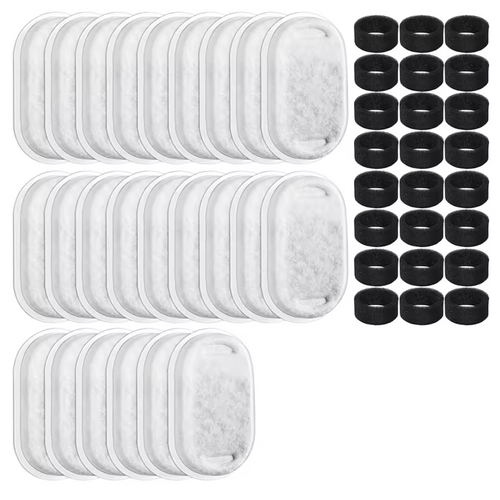
- Replace filters as recommended (typically every 2–4 weeks)
Building Your Own Hydration Success Story
The stories above show what’s possible when we make hydration a priority. Flowing, filtered water in a clean, stainless-steel fountain can make drinking more appealing—and healthy habits more automatic. If you’d like to explore a premium solution designed for your dog’s well-being, learn more about our Pawdrate Filtered Water Fountain.
With a small daily routine, you could write the next success story for your own best friend.
Give your dog the gift of a longer, healthier life—one sip at a time.