


As our loyal companions grow older, their needs change—including how they hydrate. Many senior dogs quietly face dehydration, which can impact energy, mobility, kidneys, and even quality of life. If you’ve noticed your older pup drinking less, or you’re worried about their health, you’re not alone. In this guide, we’ll explore why hydration is critical for senior dogs, how to spot subtle warning signs, and simple ways to help your aging friend stay well-watered and happy for years to come.
What to Know: Senior Dog Hydration
- Older dogs often drink less due to reduced thirst signals and medical conditions.
- Dehydration can worsen kidney issues, arthritis, and skin health in seniors.
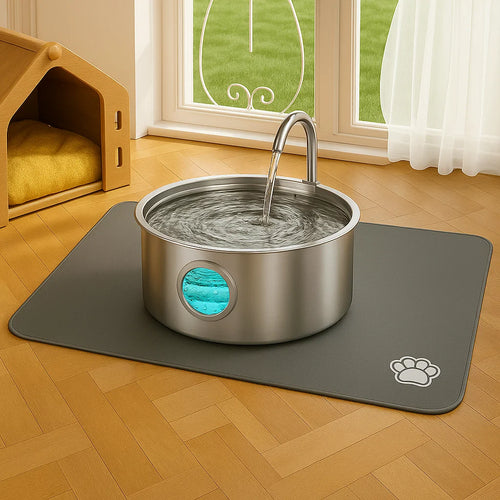
- Stainless steel fountains encourage more drinking and protect against bacteria.
- Daily water needs: 25–50 ml per kg body weight (approx. 0.4–0.8 oz/lb), but check with your vet for specifics.
- Always consult your veterinarian for persistent changes in drinking or health.
Why Senior Dogs Are at Higher Risk for Dehydration
As dogs age, their bodies change in ways that affect hydration. Here’s why older pups need special attention:
- Weaker Thirst Drive: Aging brains may not signal thirst as clearly, so dogs drink less—even when they need more.
- Kidney Decline: Senior kidneys are less effective at conserving water, raising the risk of dehydration and urinary tract problems.
- Mobility Issues: Arthritic joints or weakness make trips to the water bowl harder, so dogs may avoid drinking.
- Medication Side Effects: Common drugs for pain or heart conditions can increase water loss or reduce thirst.
- Chronic Illness: Conditions like diabetes and Cushing’s disease affect hydration and water processing.
Just as humans may forget to drink enough as they age, our senior dogs need gentle reminders and the right setup to stay hydrated.
How Much Water Does Your Senior Dog Need?
Most healthy adult dogs—including seniors—should drink about 25–50 milliliters per kilogram of body weight per day (roughly 0.4–0.8 ounces per pound). Dogs on dry food may need more; those on wet food may need less. Always consider your dog’s health, activity, and vet’s advice.
| Dog Weight | Daily Water Needs |
|---|---|
| 10 lbs (4.5 kg) | 180–360 ml (6–12 oz) |
| 25 lbs (11 kg) | 275–550 ml (9–18 oz) |
| 50 lbs (23 kg) | 575–1,150 ml (19–39 oz) |
| 75 lbs (34 kg) | 850–1,700 ml (29–57 oz) |
Tip: Fill your dog’s bowl or fountain to the calculated amount and monitor how much is consumed each day. If you notice consistent underdrinking, try the tips below or consult your vet.
Recognizing Dehydration in Senior Dogs
Early signs of dehydration in older dogs are often subtle. Watch for:
- Lethargy, low energy, or unusual sleepiness
- Dry, sticky gums or thick saliva
- Loss of skin elasticity—pinch the neck, and see if the skin stays tented
- Sunken eyes or a dry nose
- Dark yellow urine or going potty less often
- Loss of appetite, vomiting, or diarrhea (can worsen dehydration)
If you observe any of these, especially in combination, take action quickly and call your vet if symptoms are moderate or severe.
Practical Hydration Tips for Aging Dogs
- Multiple Water Stations: Place bowls or fountains in every room your dog frequents, especially near beds or favorite spots.
- Use Elevated Bowls or Fountains: These reduce neck and joint strain for arthritic dogs.
- Keep Water Fresh: Change water daily; clean the vessel weekly to prevent bacterial build-up (see cleaning table below).
- Encourage Drinking: Try adding a splash of low-sodium broth, ice cubes, or switching to a flowing fountain, which many seniors find more enticing.
- Monitor Intake: Mark the water level each day to track changes, especially if your dog has health issues.
- Protect Water Quality: Use only food-grade stainless steel or ceramic (never plastic) to avoid bacteria and biofilm.
Why Material Matters: Stainless Steel vs. Plastic and Ceramic
| Material | Hygiene | Durability | Biofilm Risk |
|---|---|---|---|
| Stainless Steel | Excellent (resists bacteria) | High | Very Low |
| Plastic | Poor (scratches harbor bacteria) | Low | High |
| Ceramic | Good (if glazed & unchipped) | Medium (can chip) | Medium |
Senior dogs, in particular, benefit from the hygiene and ease of cleaning that stainless steel provides. With weakened immune systems, they’re more susceptible to waterborne germs. Flowing water in a premium stainless steel fountain stays fresh, cool, and inviting, helping seniors drink more consistently.
Cleaning Schedule for Optimal Health
| Action | Suggested Frequency |
|---|---|
| Rinse & Refill | Daily |
| Deep Cleaning (soap & scrub) | Weekly |
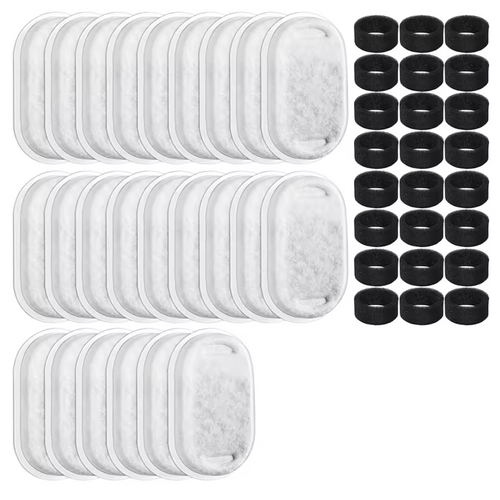
| Filter Replacement (if using fountain) | As directed (usually every 2–4 weeks) |
For older dogs, vigilant hygiene is even more important to prevent secondary infections or illness.
Supporting Your Senior Dog: Small Changes, Big Difference
Hydration is one of the simplest and most profound ways to support your senior dog’s comfort, energy, and longevity. By making water appealing, safe, and easy to access—especially with a premium stainless steel fountain—you help your faithful friend enjoy their golden years with you. See how a Pawdrate Filtered Water Fountain can help: learn more here.