

Caring for an overweight dog can be an emotional journey. If you’ve noticed your dog slowing down, struggling with energy, or showing less interest in play, hydration may be the missing piece in their path to a healthier, happier life. In this guide, we’ll show you why water is vital for overweight dogs, how much they really need, and how to make hydration easier—every day.
- Overweight dogs are at higher risk for dehydration due to reduced mobility and increased health demands.
- Water supports metabolism, kidney health, and energy—essential for weight loss and comfort.
- Daily water intake typically ranges from 25–50 ml/kg (about 0.4–0.8 oz/lb) body weight, but overweight dogs may need more, especially if on a dry diet or during warm weather.
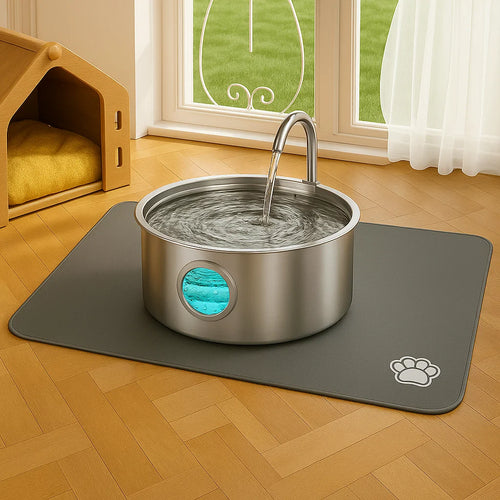
- Clean, circulating water encourages more drinking—stainless steel fountains help keep water fresh and hygienic.
Why Hydration Matters More for Overweight Dogs
Carrying extra weight impacts almost every part of a dog’s health. Not only does it put pressure on joints and organs, but it can also make a dog less eager to get up and move—making regular water breaks less frequent. Unfortunately, this combination increases their risk of dehydration, which can further slow metabolism, strain kidneys, and affect skin and coat.
Dehydration in overweight dogs can also worsen common conditions like urinary tract issues or bladder stones. Ensuring your dog drinks enough isn’t just a nice-to-have—it’s a daily necessity for their comfort and longevity.
How Much Water Does Your Overweight Dog Need?
The general guideline for healthy adult dogs is 25–50 ml of water per kilogram of body weight per day (about 0.4–0.8 ounces per pound). Overweight dogs may need water at the higher end of this range, especially if they eat primarily dry kibble, live in warm climates, or are more sedentary.
Here’s a quick reference table to help estimate your dog’s daily water needs. Always remember: activity, diet, and health status can influence these numbers. Consult your vet for personalized advice.
| Dog’s Weight | Daily Water Intake (Low) | Daily Water Intake (High) |
|---|---|---|
| 30 lbs (13.6 kg) | 13 oz / 385 ml | 24 oz / 770 ml |
| 50 lbs (22.7 kg) | 19 oz / 570 ml | 38 oz / 1,135 ml |
| 80 lbs (36.3 kg) | 32 oz / 910 ml | 64 oz / 1,820 ml |
Tip: If your dog is overweight, use their current weight for calculations—but check with your vet if they’re on a weight loss plan.
Recognizing Dehydration in Overweight Dogs
- Mild signs: Subtle lethargy, dry gums, slightly sunken eyes, slower to get up.
- Moderate: Noticeable fatigue, sticky gums, loss of skin elasticity (skin tent test), darker urine.
- Severe (urgent): Panting excessively, vomiting, refusal to eat or drink, wobbliness, collapse.
Overweight dogs may show signs more quickly due to their lower mobility and higher health load. If your dog is struggling with chronic skin issues, joint stiffness, or urinary difficulties, dehydration could be contributing.
How Clean Water Encourages Better Hydration
Dogs are naturally drawn to moving water—think running streams versus stagnant puddles. Overweight dogs, who may move less, often benefit from water that’s both appealing and easy to access. Here’s why a high-quality fountain matters:
- Stainless steel is safest: It resists bacteria buildup and is easier to keep spotless compared to plastic, which can trap biofilm and odors.
- Circulating water stays fresher: Flowing water remains oxygenated and cool, making it more inviting—even for dogs that aren’t eager to drink.
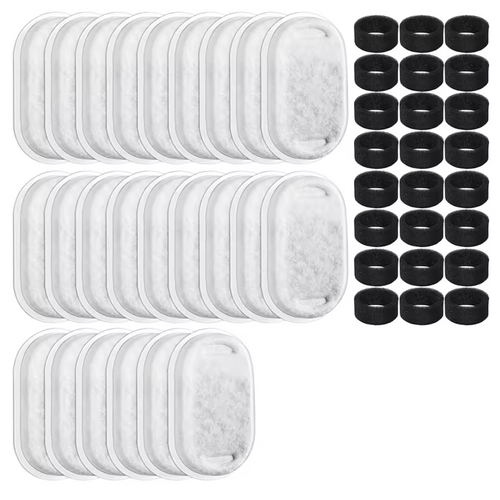
- Multi-stage filtration removes impurities: Keeps water clean, which is vital for dogs with skin folds or at higher risk for UTIs.
- Easy access for larger bodies: Elevated, stable fountains are easier for overweight dogs to reach without awkward bending.
Cleaning Cadence for Healthier Hydration
Keeping your dog’s water source clean is especially important for overweight dogs, who may be more prone to skin or urinary issues. Here’s a suggested cleaning schedule:
| Task | Frequency |
|---|---|
| Rinse fountain basin & refill | Daily |
| Deep clean all components | Weekly |
| Replace filter (if applicable) | Every 3–4 weeks |
Stainless steel makes these steps easier and more effective, supporting better hygiene for your dog’s sensitive skin and health.
Simple Ways to Encourage Your Overweight Dog to Drink More
- Place water in convenient, easily accessible spots—especially where your dog likes to rest.
- Switch to a circulating stainless-steel fountain to boost interest in drinking.
- Add a splash of water to dry kibble or offer ice cubes as low-calorie treats.
- Set reminders for water breaks during walks or play, even if short.
- Monitor intake: Track how much your dog drinks over a few days to spot trends or concerns.
Why Stainless-Steel Fountains Make a Difference
Plastic bowls and fountains can develop hidden bacteria and biofilm, especially in homes with multiple pets or dogs prone to drooling or skin issues. Stainless steel is non-porous, resists odors, and can be sanitized more thoroughly—making it a healthier choice for every dog, but especially for those with extra health challenges.
Every Pawdrate fountain features premium stainless steel, advanced filtration, and easy-clean design—helping your dog build lasting hydration habits that support their weight-loss journey and overall vitality.
Empowering Takeaway
Caring for an overweight dog is an act of love—and small changes in hydration can make a big difference. By making fresh, clean water easy and inviting, you’re helping your dog shed pounds, feel better, and enjoy more happy moments together. Every sip is a step toward a longer, healthier life.