

When you love a Bulldog, Pug, Frenchie, or any flat-faced dog, you quickly realize they’re not quite like other breeds. Their snorts and snores are endearing, but their unique faces mean special care—especially when it comes to hydration. If you’ve ever worried about your dog not drinking enough, or if you’ve noticed water splashed everywhere but inside their mouth, you’re not alone.
This guide will help you understand why brachycephalic breeds face extra hydration challenges, how to spot dehydration early, and the best ways to keep them healthy and happy with every sip.
- Flat-faced breeds are more prone to dehydration due to breathing and drinking challenges.
- They may need extra encouragement and easier access to water, especially in warm weather.
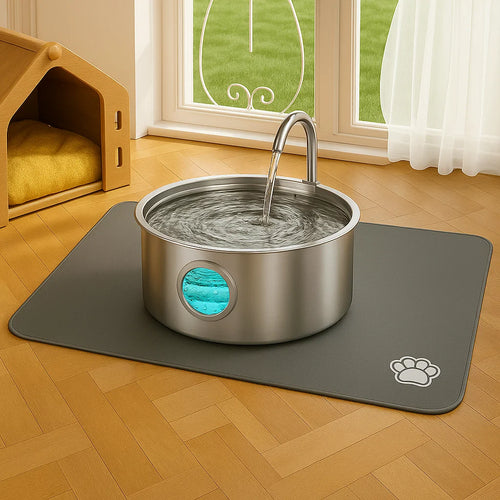
- Stainless-steel fountains with gentle flow can help make drinking safer and more appealing.
- Watch for subtle signs of dehydration—early intervention is key.
- Always consult your vet for concerns or unusual symptoms.
Why Flat-Faced Dogs Need Special Hydration Care
Brachycephalic breeds—like Bulldogs, Pugs, Boxers, and French Bulldogs—have short, wide skulls and compressed airways. This not only makes their breathing noisier but also affects how they drink and regulate body temperature. They tire quickly on warm days and often struggle to lap water efficiently, putting them at higher risk for dehydration, overheating, and related health issues.
How Much Water Does Your Brachycephalic Dog Need?
As a general guideline, dogs need about 25–50 ml of water per kg (11–23 ml per lb) of body weight daily. Dogs on dry food, or those who are more active, may need more.
Keep in mind: Brachycephalic breeds might need encouragement, especially if they’re messy drinkers or avoid bowls due to discomfort.
| Dog Weight (lb) | Dog Weight (kg) | Daily Water Needs (ml) | Daily Water Needs (cups) |
|---|---|---|---|
| 15 | 7 | 175–350 | 0.7–1.5 |
| 25 | 11 | 275–550 | 1.2–2.3 |
| 40 | 18 | 450–900 | 1.9–3.8 |
| 55 | 25 | 625–1,250 | 2.6–5.3 |
Note: These ranges are a starting point. Needs vary by age, activity, weather, and diet. Ask your vet for advice tailored to your dog.
Challenges: Why Flat-Faced Dogs Struggle at the Bowl
- Short muzzles: Harder to reach or lap water.
- Messy drinking: Water goes everywhere, less gets in.
- Heat sensitivity: Prone to overheating, which raises fluid needs.
- Risk of aspiration: Some flat-faced dogs accidentally inhale water, leading to coughing or discomfort.
- Difficulty with deep/steep bowls: May avoid drinking if access is awkward or uncomfortable.
How to Make Hydration Easier for Your Brachycephalic Dog
- Choose a wide, shallow water source to let them drink without pressing their faces too deeply.
- Opt for flowing, filtered water to encourage more frequent drinking—moving water is not only fresher but also easier for dogs to see and access.
- Pick stainless steel over plastic: Stainless steel resists biofilm and bacteria, is easier to clean, and won’t develop odors or scratches that harbor germs.
- Keep water cool and accessible—especially in warm months or after exercise.
- Clean water bowls/fountains regularly to prevent residue buildup and bacteria.
| Material | Hygiene | Durability | Biofilm Risk | Ease of Cleaning |
|---|---|---|---|---|
| Stainless Steel | Excellent | High | Low | Easy |
| Plastic | Poor | Low | High | Hard |
| Ceramic | Good (if glazed) | Medium | Medium | Moderate |
How Often Should You Clean Your Dog’s Water Fountain?
| Action | Frequency |
|---|---|
| Rinse bowl/fountain | Daily |
| Deep clean (soap/hot water) | Weekly |
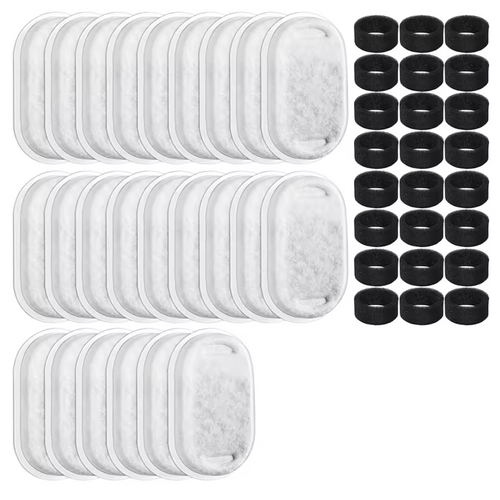
| Replace filter | Monthly, or as directed |
Tip: Stainless steel fountains make cleaning faster and more effective—no hidden crevices for biofilm to hide.
Spotting Dehydration: Signs & Severity in Brachycephalic Dogs
- Mild: Dry nose/mouth, thick saliva, less interest in play, slightly sunken eyes
- Moderate: Lethargy, sticky gums, loss of skin elasticity (slow skin "tent" recovery), reduced urination
- Severe: Rapid breathing, weakness, collapse, vomiting/diarrhea, refusal to eat or drink
If you notice any moderate or severe signs, act quickly—brachycephalic dogs can decline faster due to their breathing and heat sensitivities.
Empowering Healthy Hydration—One Sip at a Time
Supporting your brachycephalic dog’s hydration is one of the simplest ways to protect their health. Small changes—like using a stainless-steel, flowing water fountain—can make a big difference in how much they drink and how easy it is to keep water fresh and clean. Making water accessible, hygienic, and appealing helps your flat-faced friend thrive every day.
If you’re looking to upgrade your dog’s hydration routine, explore how a stainless-steel filtered fountain can support their unique needs—with less mess and more peace of mind for you.
Give your snub-nosed companion the gift of easier, healthier hydration—so every day is filled with more energy, comfort, and joy.
This article is informational and not medical advice. For medical concerns, consult your veterinarian.