

For dog owners who cherish adventure, activity, and every tail-wagging run—discover how proactive hydration is the secret to your pup’s best health. If you’ve noticed your energetic dog panting harder, tiring out, or skipping water, this guide is for you. We’ll cover what active dogs need, how to spot dehydration, and easy solutions for lifelong vitality (plus, actionable tools and expert-backed advice).
- Active dogs lose water faster through panting and activity—especially in heat or after exercise.
- Most need 25–50 ml of water per kg (½ to 1 oz per lb) of body weight daily; active dogs often need more.
- Early dehydration signs can be subtle: less energy, dry nose, sunken eyes, tacky gums.
- Stainless-steel, filtered fountains support clean, appealing water—key for picky or high-energy pups.
- Always consult your vet about sudden changes or if your dog shows severe symptoms.
Why Active Dogs Need Extra Hydration
Whether your dog loves daily runs, hikes, frisbee, or simply races around your yard, exercise ramps up water loss. Dogs cool off by panting (not sweating), which means each adventure leads to more moisture lost through their breath. Hot days, long outings, and athletic breeds (think Border Collies, Labs, Boxers) are especially prone to dehydration.
Hydration isn’t just about quenching thirst—it supports temperature regulation, joint health, clear thinking, and recovery after play. Even mild dehydration can dull your dog’s energy and slow them down.
How Much Water Does Your Active Dog Need?
The standard guideline is 25–50 ml per kilogram of body weight per day (or about ½ to 1 ounce per pound), but active dogs may need 50% more on days with heavy activity or heat. Puppies, seniors, and working breeds often fall at the higher end of the range.
| Dog Weight | Average Intake (Low Activity) | Recommended Intake (Active) |
|---|---|---|
| 15 lbs (7 kg) | 11 oz / 325 ml | 16 oz / 475 ml |
| 35 lbs (16 kg) | 24 oz / 725 ml | 35 oz / 1,050 ml |
| 55 lbs (25 kg) | 35 oz / 1,050 ml | 52 oz / 1,550 ml |
| 85 lbs (39 kg) | 60 oz / 1,775 ml | 90 oz / 2,650 ml |
To estimate your dog’s needs: multiply weight (in kg) by 25 for a baseline, or by 37–50 for active days. Always make clean, fresh water available—before, during, and after exercise.
How to Spot Dehydration in Active Dogs
Active dogs rarely slow down until they’re truly depleted, so watch for these early and severe warning signs:
- Mild: Dry nose, sunken eyes, less playful or energetic, tacky or sticky gums, slightly dark urine.
- Moderate: Lethargy, poor skin elasticity (skin stays tented after a gentle pinch), heavy panting even at rest.
- Severe: Vomiting, diarrhea, collapse, refusal to drink or eat—these are emergencies.
Building Healthy Hydration Habits for Athletic Dogs
Proactive water routines keep active pups safe and thriving. Try these tips:
- Bring water and a portable bowl on every outing or hike.
- Offer water breaks every 20–30 minutes during play, especially in hot weather or sun.
- Encourage drinking before and after exercise—not just when your dog seems thirsty.
- Use praise or a splash of bone broth (no salt) to entice reluctant drinkers post-workout.
- Choose a water station with filtered, circulating water at home—picky, busy, or athletic dogs often prefer moving water, which stays cooler and fresher.
Why Fountain Hygiene and Material Matter
Active dogs are prone to picking up dirt, bacteria, and biofilm around their water source—especially after muddy play or runs. Stainless-steel fountains offer several advantages over plastic or ceramic:
| Material | Hygiene | Durability | Biofilm Risk |
|---|---|---|---|
| Stainless Steel | Excellent (non-porous) | High | Low |
| Plastic | Poor (scratches harbor germs) | Medium | High |
| Ceramic | Good (with glaze) | Moderate (can chip) | Medium |
Cleaning Routine for Optimal Health
- Daily: Rinse and refill.
- Weekly: Deep clean all fountain parts with mild soap and hot water.
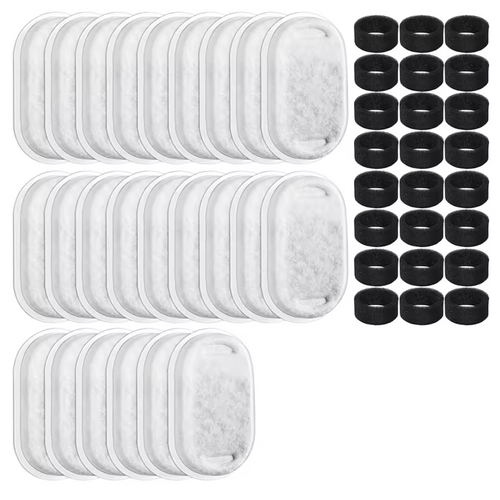
- Filters: Replace according to manufacturer’s guidance (often every 3–4 weeks).
Clean water supports kidney health, keeps skin and coat vibrant, and encourages more frequent drinking—vital for your four-legged athlete.
Empowering Healthy Adventures—One Sip at a Time
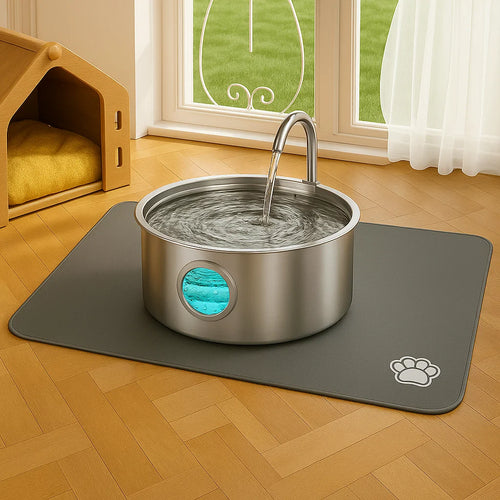
When you make hydration a priority, your active dog enjoys more energy, healthier organs, and fewer risks—even as they chase the next adventure. Flowing, stainless-steel fountains like Pawdrate’s Filtered Water Fountain support clean, cool, and inviting water—so your best friend is always ready to play, recover, and thrive.
Small daily steps—like keeping water fresh, offering breaks, and choosing hygienic materials—can extend your dog’s healthy years. Here’s to every run, hike, and joyful leap together.