

As devoted dog parents, we know water is essential—but how much is enough for your pup? If you’ve ever wondered whether your dog is drinking too little (or too much), you’re not alone. Hydration is a silent health hero, impacting everything from kidney function and energy to skin and coat quality. In this guide, you’ll learn how to calculate your dog’s daily water needs, recognize signs of dehydration, and make healthy hydration habits easy and safe for your best friend.
What to Know: Dog Water Needs at a Glance
- Most dogs need about 25–50 ml of water per kg (0.5–1.0 oz/lb) body weight daily
- Puppies, active dogs, lactating moms, and hot weather all increase water needs
- Signs of dehydration: sluggishness, dry gums, sunken eyes—call your vet if severe
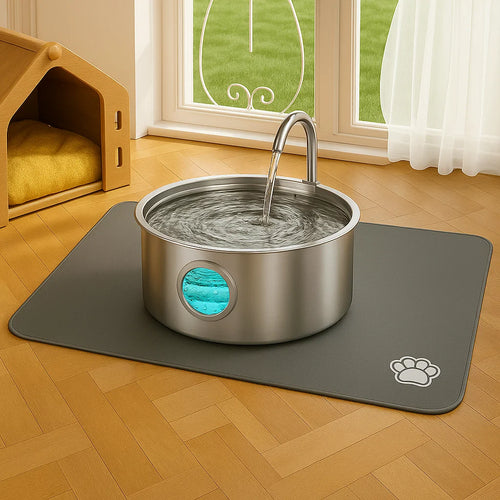
- Stainless steel water fountains help keep water cleaner and more appealing
- Daily rinsing and weekly deep cleaning prevent bacteria growth in bowls/fountains
Why Hydration Matters for Dogs
Water is the foundation of your dog’s health. It cushions joints, helps regulate temperature, supports digestion, and flushes out toxins. Even a mild water deficit can lead to fatigue, urinary tract problems, and poor skin or coat condition. Think of hydration as your dog’s daily health insurance.
How Much Water Does Your Dog Really Need?
A good rule of thumb: dogs need about 25–50 ml of water per kilogram of body weight per day. For U.S. readers, that’s roughly 0.5–1.0 ounces per pound per day. This is a starting point—dogs who are more active, eat mostly dry food, or live in hot climates may need even more.
Daily Water Intake by Weight
| Dog Weight | Minimum Daily Intake | Maximum Daily Intake |
|---|---|---|
| 10 lbs (4.5 kg) | 7 oz (210 ml) | 14 oz (420 ml) |
| 25 lbs (11.3 kg) | 13 oz (350 ml) | 25 oz (700 ml) |
| 50 lbs (22.7 kg) | 25 oz (700 ml) | 50 oz (1,400 ml) |
| 75 lbs (34 kg) | 38 oz (1,050 ml) | 75 oz (2,100 ml) |
| 100 lbs (45.4 kg) | 50 oz (1,400 ml) | 100 oz (2,800 ml) |
Note: These are general guidelines. Individual needs vary with age, activity, diet, and climate. If your dog has a medical condition, always follow your veterinarian’s advice.
Factors That Affect Your Dog’s Water Needs
- Activity level: More exercise = more water needed.
- Diet: Dogs on dry kibble need more water than those eating wet or raw food.
- Size and breed: Larger and more muscular breeds often need more water per pound.
- Weather: Hot or dry conditions greatly increase demand.
- Life stage: Puppies, seniors, and nursing mothers require extra hydration.
- Health status: Illness (vomiting, diarrhea, fever), medications, or chronic conditions may alter needs.
In summer or after long walks, always offer fresh water and monitor intake more closely.
Spotting Dehydration in Your Dog
Dehydration can sneak up quietly. Here’s what to watch for, from mild to severe:
- Mild: Lethargy, dry gums, sticky saliva, less interest in play
- Moderate: Sunken eyes, loss of skin elasticity (the ‘skin tent’ test), rapid heart rate
- Severe: Weakness, collapse, vomiting, refusal to drink—seek immediate veterinary care
If your dog refuses water for more than 12 hours, shows severe lethargy, vomiting, or signs of heatstroke, contact your veterinarian immediately.
Supporting Healthy Hydration: Clean, Appealing Water
Even when we provide clean water, dogs may not drink enough if the bowl tastes odd, smells off, or harbors invisible bacteria. Flowing water, like in nature, is naturally more appealing and less likely to harbor germs.
Water Bowl & Fountain Hygiene Table
| Material | Hygiene | Durability | Biofilm Risk | Cleaning Ease |
|---|---|---|---|---|
| Stainless Steel | Excellent—resists bacteria | High | Low | Easy |
| Plastic | Poor—scratches hold bacteria | Low | High | Harder |
| Ceramic | Good if glazed, but can chip | Moderate | Moderate | Moderate |
Cleaning Cadence for Bowls & Fountains
| Task | Frequency |
|---|---|
| Rinse & Refill | Daily |
| Deep Clean (disassemble, scrub, sanitize) | Weekly |
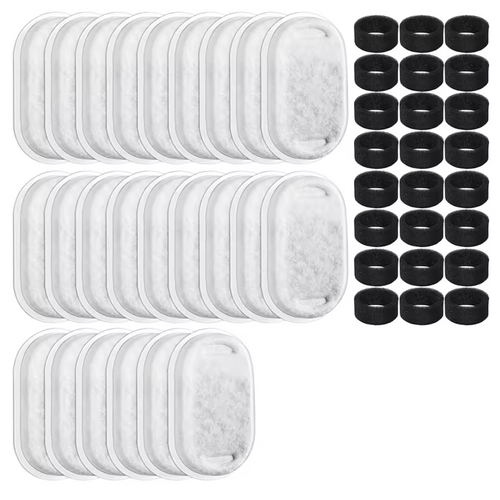
| Filter Replacement (if applicable) | Per manufacturer (often every 2–4 weeks) |
Premium stainless-steel fountains, like Pawdrate’s filtered model, combine moving water, advanced filtration, and easy-clean design for safer, more appealing hydration—especially important for multi-dog homes or large breeds.
Simple Steps to Encourage Better Drinking
- Place water stations in several spots around your home
- Clean bowls and fountains regularly to remove invisible slime and odors
- Consider a flowing fountain to entice reluctant drinkers
- Monitor intake—refill and measure daily if you notice changes
- Refresh water during hot weather or after exercise
If your dog’s drinking habits change suddenly, check with your vet to rule out illness.
Empowering Takeaway
Knowing your dog’s water needs helps you give them the best chance at a long, healthy, energetic life. Small changes—like clean, moving water and daily monitoring—make a big difference. When in doubt, trust your instincts and reach out to your veterinarian. Your attention to hydration is truly a gift to your four-legged family member.