


Bringing a puppy home is a whirlwind of cuddles, learning, and (let’s be real) cleaning up messes. House training is one of the biggest challenges new dog parents face, and water—how much, when, and how often—is at the heart of it. The good news: with a little know-how, you can help your pup learn fast while keeping them healthy and hydrated.
This guide takes the guesswork out of syncing healthy water routines with house training. You’ll learn why water timing matters, how much is enough, and how premium, clean water habits support both your dog’s development and your peace of mind.
- Healthy puppies need free access to water—timing is key for house training.
- General intake: 25–50 ml/kg (0.4–0.8 oz/lb) per day, but varies by age, diet, and activity.
- Monitor signs of thirst, dehydration, and overconsumption.
- Clean, bacteria-free water supports easier, safer training.
- Always consult your vet if your puppy’s drinking or urination changes suddenly.
Why Water Matters in House Training
Water isn’t just about quenching thirst—it’s essential for your puppy’s organs, digestion, and energy. But when you’re house training, water routines also shape your dog’s potty habits. Too little water can harm health, but too much—or badly timed—can mean more accidents and slower house training progress.
Balancing hydration and training takes a gentle, informed approach. Here’s how to do it right.
How Much Water Does Your Puppy Need?
Healthy puppies generally need 25–50 ml of water per kilogram of body weight per day (that’s about 0.4–0.8 ounces per pound). Needs vary with age, weather, activity, and diet (wet food = less drinking; dry kibble = more). Puppies often need more frequent, smaller drinks than adult dogs.
| Puppy Weight (lbs) | Daily Range (oz) | Daily Range (ml) |
|---|---|---|
| 5 | 2–4 | 60–120 |
| 10 | 4–8 | 120–240 |
| 20 | 8–16 | 240–480 |
| 40 | 16–32 | 480–960 |
Quick calculator: Your puppy’s weight in pounds × 0.4 to 0.8 = daily ounces of water. For example, a 15 lb puppy needs about 6–12 oz (180–360 ml) per day.
Timing Water Access for Potty Success
Free access to clean water is essential most of the day. But you can gently guide your puppy’s bladder by syncing water breaks with their potty routine. Here’s how:
- Morning: Offer fresh water right after waking—then take your puppy out to potty within 10–15 minutes.
- Throughout the Day: Keep water available at all times. Young puppies may need to go out every 1–2 hours, especially after drinking.
- Before Bed: Offer a final drink 1–2 hours before bedtime, then remove the bowl to help your puppy sleep through the night. Take them out to potty just before bed.
- After Play or Meals: Most puppies need a bathroom trip shortly after eating, playing, or drinking.
Never withhold water to avoid accidents. Instead, use gentle timing and frequent potty breaks to build good habits while staying health-focused.
Clean Water: Why Quality Matters in Training
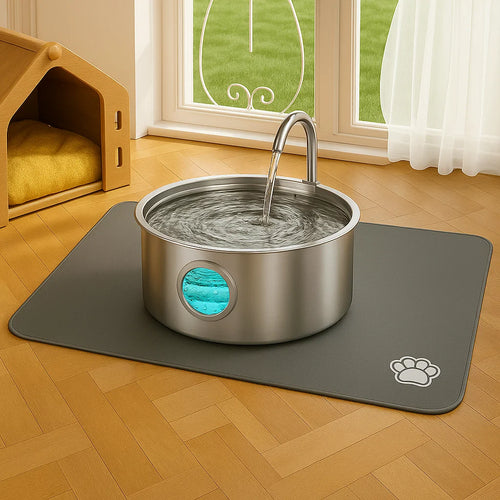
Puppies are curious—and sensitive. Dirty or stagnant water can put them off drinking, or worse, introduce bacteria that cause stomach upset or urinary issues. Clean, circulating water in stainless-steel fountains stays cooler, fresher, and safer than water sitting in plastic or ceramic bowls.
Material Matters: Hygiene Comparison
| Material | Hygiene | Durability | Biofilm Risk | Cleaning Ease |
|---|---|---|---|---|
| Stainless Steel | Excellent (non-porous, resists bacteria) | Very High | Lowest | Easy (dishwasher safe) |
| Plastic | Poor (scratches, harbors bacteria) | Low | High | Difficult (can absorb odors, stains) |
| Ceramic | Variable (may develop cracks) | Moderate | Moderate | Moderate (check for chips) |
Stainless steel fountains with circulating, filtered water make it easy for puppies to stay interested in drinking—without the germs.
How (and How Often) to Clean Puppy Water Bowls
| Task | Frequency |
|---|---|
| Rinse & Refill | Daily |
| Deep Clean (soap & hot water or dishwasher) | Weekly |
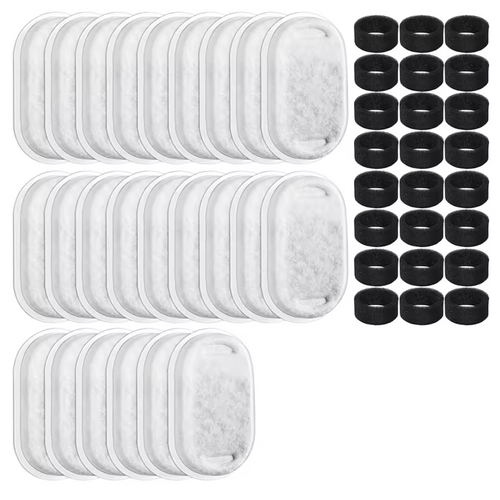
| Replace Filter (if using fountain) | Every 3–4 weeks or as directed |
Consistent cleaning not only prevents illness—it encourages your puppy to drink confidently, supporting both hydration and house training.
Empowering Healthier Routines (and Cleaner Floors)
House training and water go hand in hand. By providing safe, easily accessible, and clean water in a premium stainless-steel fountain, you support your puppy’s development, help prevent accidents, and start healthy habits for life. Looking for an easy way to keep your dog’s water fresher, longer? Explore how a Pawdrate filtered stainless steel fountain can make hydration and house training simpler for both of you—without the headaches plastic bowls bring.
Every puppy deserves a smooth start. With the right water routines, your new family member will be house trained—and thriving—in no time.