

Heading out on a hiking adventure with your dog is one of life’s great joys. But as you pack snacks and lace up your boots, there’s one detail that can make or break your dog’s safety: water. Dehydration on the trail can sneak up quickly, especially for active or large-breed dogs—and the risks are real. If you’ve ever wondered how much water your pup really needs, how to carry it, or how to read early warning signs, you’re in the right place.
This guide will walk you through making a practical, vet-aligned hiking dog water plan—so you can explore with confidence and keep your best friend healthy, mile after mile.
- Dogs need 25–50 ml of water per kg of body weight per day—more with hiking or heat.
- Dehydration can develop quickly on the trail—watch for signs like dry gums, excessive panting, or lethargy.
- Offer small, frequent sips; don’t wait for your dog to show thirst.
- Stainless-steel containers help keep water clean and cool; avoid plastic, especially in the sun.
- Know when to cut your hike short and see a vet (see sidebar below).
Why Trail Hydration Matters for Dogs
Just like us, dogs lose more water when they’re active—through panting, paws, and even their breath. On a hike, dehydration risk rises with warm weather, rough terrain, and excitement. Even short-term water loss can strain your dog’s kidneys, joints, and energy levels. Some breeds (Labradors, Huskies, German Shepherds) and larger dogs are especially vulnerable, as they generate more body heat and lose water faster.
How Much Water Does Your Dog Need While Hiking?
At rest, most dogs need about 25–50 ml (0.85–1.7 oz) per kg (2.2 lbs) of body weight per day. Hiking, heat, or dry climates can double this requirement. Here’s a quick reference table to estimate your dog’s daily and hiking water needs:
| Dog Weight | Normal (ml) | Normal (oz) | Hiking (ml) | Hiking (oz) |
|---|---|---|---|---|
| 15 lbs (7 kg) | 175–350 | 6–12 | 350–700 | 12–24 |
| 35 lbs (16 kg) | 400–800 | 14–27 | 800–1600 | 27–54 |
| 65 lbs (29 kg) | 725–1450 | 25–49 | 1450–2900 | 49–98 |
Tip: Divide hiking water portions across the day and add extra for hot or steep hikes.
Practical Trail Water Guidelines
- Offer water every 30–45 minutes—more often in heat or if your dog is panting heavily.
- Bring at least double your dog’s normal daily water for hikes over 2 hours.
- Use a clean, non-plastic bottle or bowl. Stainless steel keeps water cooler, is less likely to develop odors or biofilm, and is easier to sanitize than plastic.
- Never let your dog drink from stagnant ponds or questionable streams. These can carry bacteria or parasites (like giardia) that cause illness.
- Monitor your dog’s appetite, energy, and bathroom breaks. Less urination or darker urine can signal dehydration.
Spotting Dehydration on the Trail
Early detection is key. Here’s a quick breakdown of warning signs by severity:
| Mild | Moderate | Severe |
|---|---|---|
| Dry nose, sticky gums, subtle lethargy | Sunken eyes, loss of skin elasticity, fast panting | Confusion, collapse, rapid heartbeat, vomiting |
If you see moderate or severe signs, stop your hike immediately and start rehydration. See sidebar below.
Choosing and Cleaning Your Dog’s Hiking Water Gear
On the trail, water hygiene matters as much as quantity. Stainless-steel bottles and bowls outshine plastic or silicone, especially in the sun, because:
- Stainless steel resists scratches where bacteria can hide.
- It’s easier to deep clean and doesn’t leach chemicals.
- Bacteria and biofilm are less likely to build up compared to plastic.
- Ceramic can crack on impact; plastic can warp and trap odors.
| Material | Hygiene | Durability | Biofilm Risk |
|---|---|---|---|
| Stainless Steel | Excellent | High | Low |
| Plastic | Poor (scratches easily) | Medium | High |
| Ceramic | Good (if glazed, unchipped) | Low | Medium |
Trail Cleaning Cadence: Rinse bottles/bowls after every use on the trail; deep clean with soap and hot water after each hike. At home, daily rinsing and weekly deep cleaning protects your dog’s health.
After the Hike: Recovery Hydration
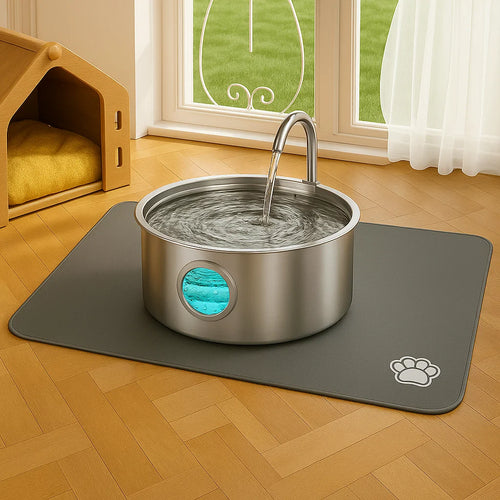
Once home, keep cool, circulating water available. Dogs may drink extra following exertion—having a flowing, filtered stainless-steel fountain at home encourages them to rehydrate and helps remove bacteria that could irritate their sensitive stomachs after outdoor exposure.
Ready to build better hydration habits, on and off the trail? Explore the benefits of the Pawdrate stainless-steel water fountain—designed for easy cleaning and optimal hygiene at home.