

German Shepherd owners know: these loyal, energetic companions give their all—whether playing fetch, guarding your home, or curling up at your feet. But with that big heart and working-dog drive comes a unique health need: reliable, clean hydration.
Many German Shepherds don’t drink enough water, especially if they’re active, thick-coated, or a little picky about their bowls. This guide helps you recognize the signs of dehydration, calculate daily water needs, and create simple habits for lifelong health.
Why Hydration Matters for German Shepherds
German Shepherds (GSDs) rank among the most intelligent, athletic, and loyal breeds. Their size (typically 60–90 lbs), thick double coat, and energetic personalities mean their bodies need more water than the average lapdog. Proper hydration supports joint health, kidney function, temperature regulation, and skin/coat quality.
But many GSDs develop fussy drinking habits—perhaps due to plastic bowl odors, stagnant water, or sensitive stomachs. Skipping even a day or two of proper hydration can lead to mild dehydration, which may worsen quickly in heat or after exercise.
How Much Water Should a German Shepherd Drink?
General guidance: Dogs need roughly 25–50 ml of water per kilogram of body weight per day (about 0.4–0.8 oz per pound). For a typical adult GSD:
| Weight (lbs) | Weight (kg) | Daily Water Range (oz) | Daily Water Range (ml) |
|---|---|---|---|
| 60 | 27 | 24–48 | 675–1350 |
| 75 | 34 | 30–60 | 850–1700 |
| 90 | 41 | 36–72 | 1025–2050 |
Example: If your GSD weighs 75 lbs and is moderately active, aim for 45–60 oz (1300–1700 ml) daily. Puppies, lactating females, and hard-working dogs (search-and-rescue, agility) may need more. Always adjust for diet: kibble-fed dogs need more water than those on wet or raw diets.
Signs of Dehydration in German Shepherds
- Mild: Dry nose, sticky/tacky gums, reduced energy, slightly sunken eyes
- Moderate: Noticeable lethargy, loss of skin elasticity (skin doesn’t snap back quickly), dark yellow urine
- Severe (emergency): Collapse, rapid heart rate, vomiting/diarrhea, refusal to eat/drink
Check hydration by gently lifting the skin over your GSD’s shoulder—if it stays tented, your dog may be dehydrated. Assess the gums: moist is normal; sticky or dry means your dog needs water soon.
Encouraging Healthy Hydration Habits
German Shepherds may avoid stagnant or dirty water. Standing water in bowls, especially plastic, collects bacteria and odors. For sensitive noses and big drinkers, fresh, circulating water is more appealing—just like a running stream in nature.
Why Stainless Steel Makes a Difference
| Material | Hygiene | Durability | Biofilm Risk |
|---|---|---|---|
| Stainless Steel | Excellent—non-porous, easy to sanitize | High—resists scratches and stains | Low |
| Plastic | Poor—scratches harbor bacteria | Low—can crack, discolor | High |
| Ceramic | Good—but may chip or craze over time | Moderate | Medium |
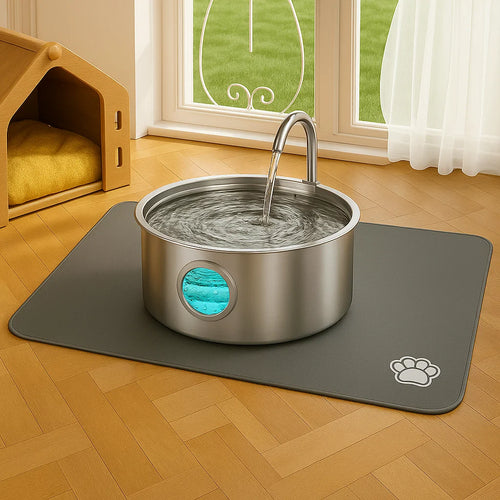
Stainless steel fountains, especially with constant water movement and advanced filtration, help reduce bacteria and biofilm. They’re also durable enough for big, strong dogs and easy to clean—no lingering odors or slime.
Cleaning and Maintenance Table for Optimal Health
| Task | Recommended Frequency |
|---|---|
| Rinse and refill bowl/fountain | Daily |
| Deep clean with soap/brush | Weekly |
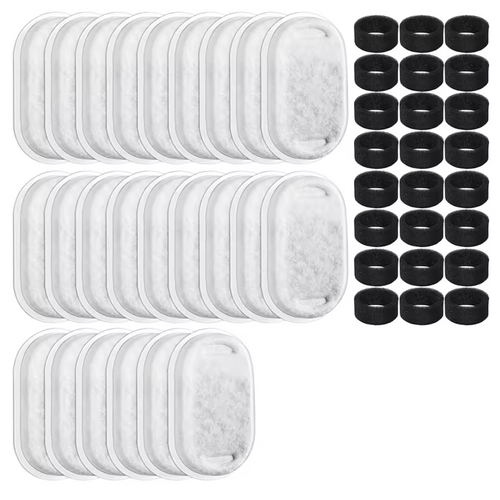
| Replace filter (if applicable) | Every 3–4 weeks, or per manufacturer |
Keep your GSD’s water station in a quiet, accessible spot. Clean, fresh water in a premium stainless steel fountain can transform how much your dog drinks—especially if they’re picky about taste or bowl hygiene.
Bringing It Home: Help Your German Shepherd Thrive
Hydration is the foundation of your German Shepherd’s health and happiness. With a little attention to water intake, the right materials, and a fountain that keeps water fresh and moving, you give your loyal companion a simple, lasting gift.
Explore how a Pawdrate stainless steel filtered fountain can support your GSD’s well-being—day in and day out.