


As a dog owner, you want the very best for your pup—especially when it comes to something as basic, yet essential, as water. If you’ve ever wondered whether filtered water truly makes a difference for your dog, you’re not alone. Many pet parents are concerned about hidden contaminants in tap water, biofilm in plastic bowls, and the long-term effects on their dogs’ health.
This article will help you understand why water quality matters for dogs, what filtered water removes, and how to set up a cleaner, healthier hydration routine—no scare tactics, just expert-backed facts and practical tips.
Why Water Quality Matters for Dogs
We all know the feeling of a refreshing glass of clean water. Our dogs crave the same. But tap water, even in many U.S. cities, may contain trace contaminants like chlorine, heavy metals, and microplastics. While most are below EPA-mandated limits for humans, dogs are smaller and may be more sensitive over time. Unfiltered water can also harbor bacteria, especially if it sits stagnant in a bowl or plastic fountain.
Potential Impacts of Poor Water Quality
- Decreased Energy: Even mild dehydration or exposure to contaminants can sap your dog’s energy levels.
- Kidney Health: Impurities put added stress on the kidneys, which filter your dog’s blood day and night.
- UTIs & Bladder Stones: Poor water quality and low intake can increase UTI risk, especially in small breeds and older dogs.
- Skin & Coat: Hydration from the inside out helps reduce itchiness and promotes a shinier coat.
What Does Filtering Remove?
Quality water filters are designed to remove or reduce:
- Chlorine and chloramines (used in municipal disinfection)
- Heavy metals (lead, copper, mercury)
- Sediment, rust, and microplastics
- Unpleasant tastes and odors
- Some bacteria and organic compounds (depending on the filter stage)
Removing these helps make water taste fresher, encouraging your dog to drink more. For dogs, even small increases in daily intake can support vital organs and healthy skin.
How Much Water Does Your Dog Need?
General guidelines from veterinarians recommend:
| Dog Weight (lbs/kg) | Recommended Range (ml/day) | Recommended Range (cups/day) |
|---|---|---|
| 10 lbs (4.5 kg) | 110–225 ml | 0.5–1 cup |
| 30 lbs (13.6 kg) | 340–675 ml | 1.5–3 cups |
| 60 lbs (27.2 kg) | 680–1350 ml | 3–5.5 cups |
| 100 lbs (45.4 kg) | 1135–2250 ml | 5–9.5 cups |
Tip: Dogs on dry food, in hot climates, or with higher activity need more. Always check with your vet if unsure.
Plastic vs. Stainless-Steel: Why It Matters
| Material | Hygiene | Durability | Biofilm Risk | Cleaning Ease |
|---|---|---|---|---|
| Stainless Steel | Excellent (non-porous) | High | Low | Very Easy |
| Plastic | Poor (porous, scratches) | Low | High | Challenging |
| Ceramic | Good (if glazed, can chip) | Medium | Medium | Moderate |
Plastic bowls and fountains can develop micro-scratches where bacteria and biofilm thrive. Stainless steel, by contrast, is non-porous and resists buildup—making it safer for sensitive snouts and easier to sanitize.
Cleaning & Filter Replacement: How Often?
| Task | Frequency |
|---|---|
| Rinse Fountain/Bowl | Daily |
| Deep Clean (with soap/brush) | Weekly |
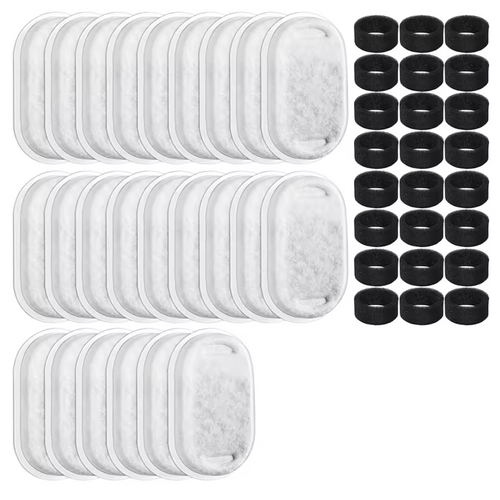
| Replace Filter | Every 4 weeks (or as directed) |
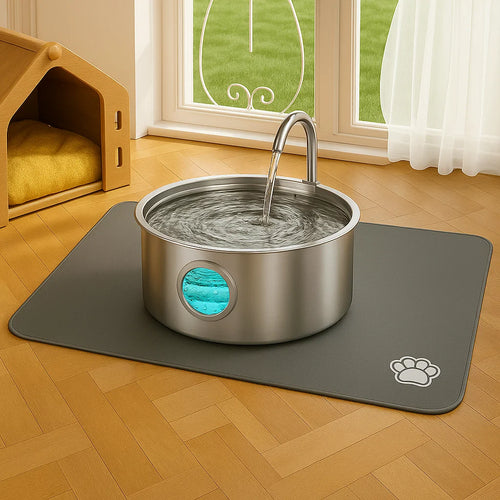
Stainless-steel fountains are especially easy to clean and sanitize. For filter replacement, always follow the product’s guidance. Pawdrate fountains are designed for hassle-free filter swaps and tool-free cleaning.
How to Transition Your Dog to Filtered Water
- Start by mixing filtered with your dog’s usual water, gradually increasing the filtered component over several days.
- Offer fresh, filtered water in a clean, stainless-steel fountain to encourage curiosity and more sipping.
- Monitor for increased water intake and improved energy or coat—many owners notice a difference within weeks.
- Stick to a consistent cleaning and filter replacement schedule.
Why Flowing, Filtered Water Makes a Difference
Compared to standing water, moving water in a fountain stays fresher and better oxygenated—much like streams in nature that draw animals to drink. Dogs have a natural preference for moving water, which is less likely to harbor bacteria and biofilm. Combined with advanced, multi-stage filtration and premium stainless steel, a fountain can truly transform your dog’s hydration habits.
Empowering Healthier Habits
Choosing filtered water in a stainless-steel fountain is a simple, science-backed way to support your dog’s well-being for years to come. If you’re ready to make the switch, discover the Pawdrate Filtered Water Fountain here—and give your dog the gift of healthier, cleaner hydration, every single day.