


Every loving dog owner knows that sinking feeling: you set out a bowl of fresh water, only for your pup to sniff it, sigh, and walk away. If you have a dog who's a picky drinker, you're not alone—many families struggle to get their pets to sip enough for great health. Dehydration can sneak up quietly, but the good news is there are gentle, effective ways to encourage even the choosiest canine to drink more. In this article, we'll share why some dogs avoid water, what signs to watch for, and—most importantly—practical, kind solutions to help your best friend stay hydrated for a longer, healthier life.
What to Know: Helping a Picky Drinker Dog
- Picky drinking is common and can have many causes—taste, bowl material, and water freshness all play a role.
- Dehydration can affect your dog's energy, kidney health, and skin.
- Daily water needs vary by weight, but most dogs require 25–50 ml/kg (about 0.4–0.8 oz/lb) per day.
- Moving, filtered water in hygienic bowls can entice reluctant drinkers.
- If your dog persistently avoids water or shows signs of illness, consult your veterinarian.
Why Some Dogs Are Picky About Water
Dogs have sensitive noses and palates. While we may not notice stale water or a faint plastic taste, your dog certainly does. Here are a few common reasons dogs snub their bowl:
- Bowl Material: Plastic bowls can trap odors and bacteria, which some dogs find off-putting. Stainless-steel is non-porous, resists buildup, and doesn’t leach unwanted flavors.
- Stagnant Water: In the wild, moving water is safer and fresher. Stagnant bowls can grow biofilm (a slimy layer of bacteria and debris) surprisingly fast, especially in warm weather.
- Sensitivity to Cleanliness: Dogs often avoid water that looks or smells dirty. Even a nearly invisible film can make a big difference.
- Location and Stress: Noise, high-traffic spots, or unfamiliar places can make some dogs nervous about drinking.
Understanding the cause is the first step to helping your dog feel comfortable around their water source.
How Much Water Does Your Dog Really Need?
Each dog’s needs are unique, but veterinarians recommend a general range of 25–50 ml per kg of body weight per day (about 0.4–0.8 ounces of water per pound). Factors like diet (wet food vs. kibble), exercise, and climate play a big role—so always adjust if your dog is active or it’s hot out.
Daily Water Intake by Weight
| Weight (lbs) | Daily Minimum (oz) | Daily Maximum (oz) |
|---|---|---|
| 10 | 4 | 8 |
| 25 | 10 | 20 |
| 50 | 20 | 40 |
| 75 | 30 | 60 |
| 100 | 40 | 80 |
Note: These are general guidelines—needs vary. If you’re unsure, consult your veterinarian for tailored advice.
Proven Tips to Encourage Picky Drinkers
Try these gentle, vet-aligned tactics to help your dog build healthier hydration habits:
- Freshness First: Change water at least once daily. Dogs are more likely to drink when it’s clean and cool.
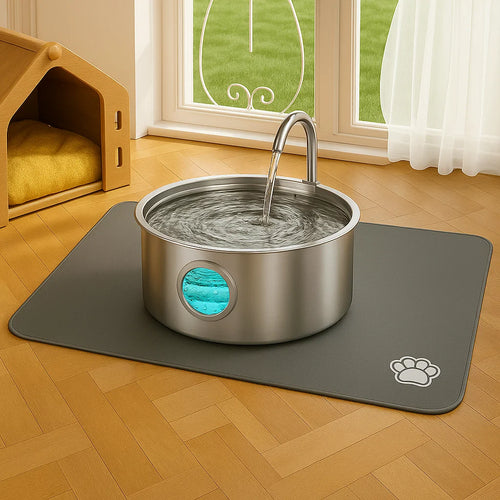
- Choose the Right Bowl: Switch to a stainless-steel water fountain. Stainless is non-porous, resists bacteria, and doesn’t hang onto bad smells or tastes.
- Keep Water Moving: Flowing water naturally attracts dogs and keeps it oxygenated and appealing.
- Location, Location: Set the water bowl in a quiet, comfortable spot away from food or high-traffic zones.
- Flavor It Up (Occasionally): A splash of low-sodium bone broth or a cube of ice can sometimes entice interest—but use flavorings sparingly and avoid anything that adds salt or sugar.
- Multiple Stations: Place several bowls around the house, especially for larger homes or multi-pet families.
- Positive Reinforcement: Praise and reward your dog for drinking. Some dogs respond well to gentle encouragement and treats.
Why Stainless-Steel Fountains Make a Difference
If your dog is picky about water, the problem could be the bowl, not the dog. Here’s how different bowl materials compare:
| Bowl Material | Hygiene | Durability | Biofilm Risk |
|---|---|---|---|
| Stainless Steel | Excellent (non-porous, easy to sanitize) | High | Low |
| Plastic | Poor (porous, odors/bacteria cling) | Low-Med | High |
| Ceramic | Good (can chip, glaze must be intact) | Med | Med |
Stainless-steel fountains combine all the best features: fresh, moving water, minimal bacteria, and easy cleaning—making hydration more appealing to your dog, and your life easier too.
How Often Should You Clean Your Dog’s Water Source?
| Task | How Often |
|---|---|
| Rinse & Refill | Daily |
| Full Deep Clean (with soap/hot water) | Weekly |
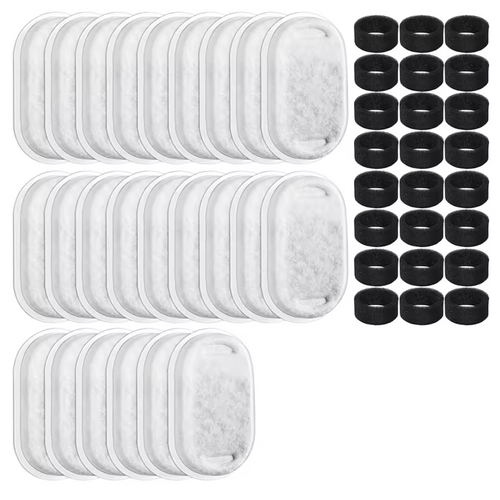
| Replace Filter (if using fountain) | Monthly (check instructions) |
Keeping water bowls and fountains clean is essential for picky drinkers—odor, film, or bacteria can quickly build up, especially in warm months.
Gentle, Lifelong Hydration: A Simple Gift
Encouraging your picky drinker doesn’t have to be a daily battle. By understanding your dog’s preferences, providing fresh, moving water in a hygienic bowl, and maintaining a regular cleaning routine, you set your pup up for better health, more energy, and a happier life together.
If you’re ready to make hydration effortless (and more appealing) for your best friend, explore the Pawdrate Filtered Water Fountain—crafted from premium stainless steel for freshness, safety, and peace of mind.
Remember: every sip is a step toward a longer, healthier life for your dog.