


When your dog is feeling under the weather, overheated, or recovering from an illness, you may have wondered if an electrolyte solution is the answer. As devoted pet parents, we want to do everything possible to keep our dogs hydrated and healthy—but with so much information (and misinformation) out there, it's easy to be overwhelmed. Is reaching for a canine sports drink always the right move? Or could it sometimes do more harm than good?
In this guide, we’ll walk you through what electrolytes actually are, when (and when not) to use them, and how supporting daily hydration with clean, flowing water can help your dog thrive—often without ever needing a supplement.
What Are Electrolytes and Why Do Dogs Need Them?
Electrolytes are minerals (like sodium, potassium, chloride, and calcium) that help regulate nerve function, muscle contractions, and maintain fluid balance in your dog’s body. When your dog drinks water, eats food, and goes about their day, their electrolyte levels are typically maintained without issue.
Everyday Hydration: The Gold Standard
For most dogs, clean, flowing water is all they need to stay hydrated—no additives required. Electrolyte solutions are not a daily supplement for healthy pups, but a targeted tool for specific scenarios (think: marathon runners grabbing a sports drink—not for every walk in the park).
When Might Dogs Need Electrolyte Solutions?
There are a few situations where a veterinarian may recommend an electrolyte solution for your dog:
- After heavy exercise: Intense activity, especially in heat, can lead to fluid and mineral loss.
- During or after illness: Vomiting, diarrhea, or fever can cause dehydration and loss of electrolytes.
- Post-surgery recovery: Some dogs may benefit from electrolyte support as they regain strength.
However, even in these situations, plain water is usually the first and safest choice. Electrolyte solutions should only be used under veterinary direction—never as a substitute for clean water, and never as a home remedy in place of professional care.
Common Misconceptions About Electrolyte Solutions
-
Myth: All dehydrated dogs need electrolyte solutions.
Fact: Most dehydration in dogs can be corrected with water alone, unless there is excessive loss or a medical condition. -
Myth: Human sports drinks are a safe substitute.
Fact: Human formulas often contain too much sugar, inappropriate electrolyte ratios, or artificial additives that can be harmful to dogs. -
Myth: If my dog seems tired, an electrolyte boost will help.
Fact: Fatigue in dogs often has other causes; always rule out underlying health issues with your vet.
How Much Water Does Your Dog Need?
Hydration needs vary by size, activity, and environment. Here’s a general guideline for daily water intake:
| Dog Weight (lbs) | Dog Weight (kg) | Daily Water Needs (oz) | Daily Water Needs (ml) |
|---|---|---|---|
| 10 | 4.5 | 9–15 | 270–450 |
| 25 | 11.3 | 23–37 | 675–1,125 |
| 50 | 22.7 | 45–75 | 1,350–2,250 |
| 75 | 34 | 68–112 | 2,025–3,375 |
*General guideline: Most dogs need 25–50 ml per kg of body weight per day. Needs increase with heat, exercise, or medical conditions. Consult your vet for personalized guidance.
Recognizing Dehydration: Signs and Severity
- Mild: Dry nose or mouth, slightly tacky gums, decreased energy.
- Moderate: Sunken eyes, loss of skin elasticity (skin "tent" stays up), sticky gums, panting.
- Severe: Lethargy, rapid heart rate, collapse, refusal to drink or eat.
If you notice any signs of dehydration, especially moderate to severe, call your veterinarian right away.
Risks of Electrolyte Solutions: Why Caution Matters
- Excess sodium or potassium can disrupt your dog’s natural electrolyte balance.
- Overuse can worsen some medical conditions (like heart or kidney disease).
- Human formulas often contain xylitol, caffeine, or other substances toxic to dogs.
- Improper mixing of homemade remedies can be dangerous.
Supporting Healthy Hydration—Naturally
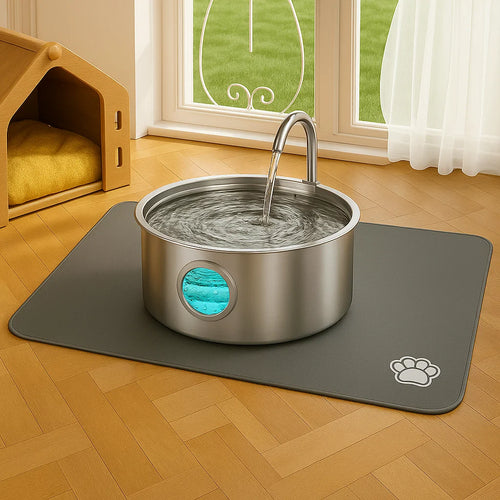
The best way to help your dog avoid electrolyte imbalances is through steady, daily hydration. Dogs are naturally drawn to clean, moving water—just as they'd seek out a bubbling stream in the wild. Stainless steel fountains, like those from Pawdrate, keep water fresh, cool, and free from harmful bacteria, making it more appealing for your dog to stay hydrated throughout the day.
Quick-Reference: Water Source Comparison Table
| Material | Hygiene | Durability | Biofilm Risk | Cleaning Ease |
|---|---|---|---|---|
| Stainless Steel | Excellent (non-porous) | High | Low | Easy (dishwasher safe) |
| Plastic | Poor (porous, scratches easily) | Low | High | Moderate |
| Ceramic | Good (if glaze intact) | Medium | Medium | Moderate |
Cleaning and Maintenance: Keep Water Safe
| Step | Frequency |
|---|---|
| Quick rinse & refill | Daily |
| Deep clean (with soap/brush) | Weekly |
| Filter replacement | As directed (usually monthly) |
Empower Your Dog’s Daily Health
While electrolyte solutions can play a role in canine recovery, the foundation of your dog’s well-being is consistent access to clean, appealing water. Stainless steel fountains keep hydration simple, safe, and inviting—helping prevent the very problems that lead to imbalances in the first place.
Ready to make healthy hydration a habit? Learn how Pawdrate’s filtered stainless-steel water fountains can support your dog’s vitality, every day.