


It’s unsettling to watch your dog refuse water at home. You care deeply—and you know hydration is the foundation of your dog’s energy, kidney health, and longevity. If your dog won’t drink at home, you’re not alone. Many caring dog owners face this anxious question: Why is my dog avoiding water, and how do I fix it?
This guide walks you through gentle troubleshooting, practical changes you can make today, and signs when a vet’s help is needed. We’ll explain what’s normal, what’s not, and how thoughtful changes to your home setup can help your dog thrive.
Why Some Dogs Won’t Drink at Home: The Hidden Causes
Dogs are sensitive to small changes in their environment and water quality. When they stop drinking at home, common causes include:
- Bowl aversion: Plastic or ceramic bowls can develop odors, tastes, or slimy biofilm that put dogs off.
- Stale or warm water: Dogs, especially in warm weather, prefer cool, freshly circulated water.
- Stress or changes: New pets, moving house, or loud noises can make dogs anxious and less likely to drink.
- Illness or dental pain: Mouth discomfort, nausea, or underlying conditions reduce thirst.
- Water taste or smell: Tap water with heavy chlorine, minerals, or cleaning residues may be rejected by dogs’ sensitive noses.
- Bowl location: Water placed near noisy appliances or in high-traffic areas may discourage drinking.
How Much Water Does Your Dog Need? (Table)
Daily hydration needs depend on your dog’s weight, activity, and diet. Use this general guideline as a starting point, but always adjust for your dog’s unique needs and consult your vet if concerned.
| Dog Weight (lbs) | Dog Weight (kg) | Daily Water Range (ml) | Daily Water Range (oz) |
|---|---|---|---|
| 10 | 4.5 | 110–225 | 3.7–7.6 |
| 25 | 11.3 | 280–565 | 9.5–19.1 |
| 50 | 22.7 | 565–1,135 | 19.1–38.4 |
| 75 | 34 | 850–1,700 | 28.7–57.5 |
| 100 | 45.4 | 1,135–2,270 | 38.4–76.8 |
*Based on 25–50 ml per kg per day; varies by health, diet, and activity. Wet food and high-moisture treats may reduce water needs.
Step-by-Step Troubleshooting: How to Encourage Your Dog to Drink
- Refresh water twice daily. Dogs are drawn to cool, moving water—replace stagnant water regularly.
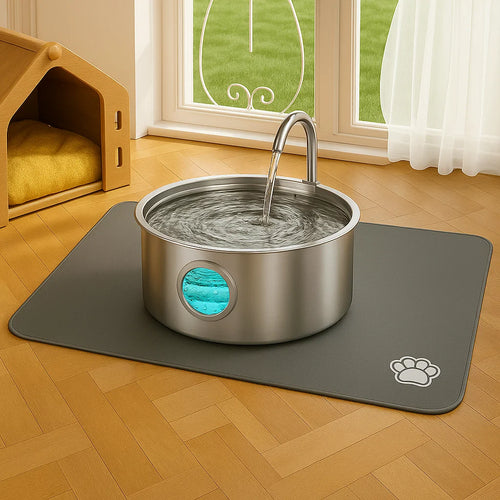
- Use a stainless-steel bowl or fountain. Stainless steel is non-porous, resists odor, and is recommended by vets for hygiene and taste.
- Relocate the bowl. Try a quiet, accessible spot away from food and noise.
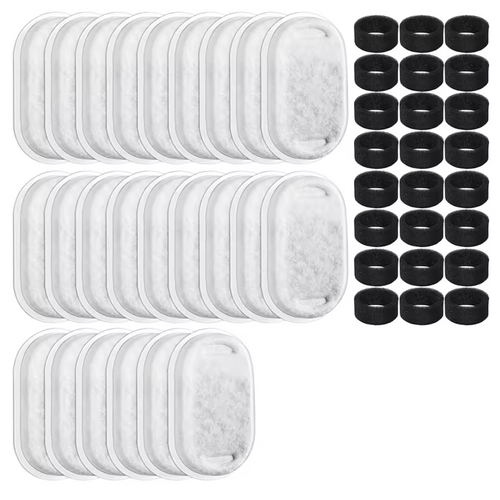
- Clean daily, deep-clean weekly. Hand wash with mild, unscented soap and rinse well. Filters in fountains should be replaced every 2–4 weeks.
- Try moving or filtered water. Many dogs instinctively prefer running water, which mimics natural streams and tastes fresher.
- Offer ice cubes or add a splash of low-sodium broth. For tempting hesitant drinkers, but avoid additives with salt/onion/garlic.
- Watch for hidden stressors. Monitor household changes that could affect your dog’s comfort.
Material Matters: Why Stainless Steel Helps
| Material | Pros | Cons |
|---|---|---|
| Stainless Steel | Non-porous, resists bacteria, easy to clean, no taste or odor, durable | Needs regular cleaning to prevent biofilm |
| Plastic | Lightweight, affordable | Porous, retains odors, scratches easily, higher biofilm and bacteria risk |
| Ceramic | Heavy, decorative | May chip/crack, can develop micro-cracks harboring bacteria, heavier to clean |
Vets often recommend stainless steel for picky drinkers and dogs with sensitive mouths.
Cleaning Cadence for Healthy Hydration
| Task | Frequency |
|---|---|
| Rinse & refill bowl/fountain | Daily |
| Hand wash with mild soap | Every 1–2 days |
| Deep clean & scrub all parts | Weekly |
| Replace fountain filter | Every 2–4 weeks |
When to Call the Vet
Gentle Changes, Happier Hydration
If you’ve tried the basics and your dog is still hesitant, consider what makes water appealing in nature: cool, moving, clean, and fresh. Home fountains with stainless-steel and multi-stage filtration can gently encourage even the pickiest pets to drink more, supporting their kidney, skin, and overall health. Learn more about how flowing, filtered stainless steel water fountains can support your dog’s hydration habits—without the stress or guesswork.
Empowering Takeaway
You know your dog best. With patience and small adjustments, most dogs return to healthy drinking at home. The right water setup—clean, cool, and fresh—can make all the difference in their well-being and happiness.