


It’s easy to overlook the sounds in our homes—until something disrupts our peace, or our dogs’ routines. If your dog’s water fountain is noisier than you expected, you’re not alone. Many pet parents wonder: Is this hum, trickle, or gurgle normal? Could noise stop my dog from drinking? And how can I create a calm hydration station without sacrificing cleanliness or health?
This guide covers what causes noise in dog water fountains, how it affects dogs, practical tips for reducing sound, and how to spot when noise means it’s time for maintenance. You’ll also find a quick reference table, cleaning cadence, and a comparison of fountain materials so you can choose (and care for) a fountain that keeps both you and your dog happy.
What to Know
- Most dog water fountain noise is caused by pump hum, water flow, or low water levels.
- Excess noise can indicate cleaning or filter replacement is needed.
- Some dogs are sensitive to new sounds and may avoid noisy fountains.
- Stainless steel fountains are generally quieter and more hygienic than plastic.
- Consistent cleaning keeps both sound and bacteria under control.
Why Does My Dog’s Water Fountain Make Noise?
Dog water fountains use small pumps to circulate water, keeping it fresh, cool, and inviting. Some level of sound—like a gentle trickle or hum—is normal and often reassuring, reminding us water is moving and clean. But when the sound is too loud or changes suddenly, it can disrupt your home and discourage dogs from drinking.
Common Causes of Fountain Noise
- Low Water Level: Exposes the pump, causing a louder hum or gurgle.
- Dirty Pump or Filter: Debris buildup makes the pump strain, increasing vibration and sound.
- Material Type: Plastic can vibrate or rattle more, while stainless steel dampens sound and resists resonance.
- Pump Placement: If the pump touches the side of the fountain, it can amplify vibrations.
- Water Flow Setting: Higher settings may increase splashing; adjusting flow can balance hydration and quiet.
How Does Noise Affect My Dog?
Dogs hear a wider range of frequencies than we do. Some are curious about the gentle burble of moving water—others may hesitate if a fountain is too loud or makes sudden new sounds. Sensitive dogs, or those new to fountains, may need extra encouragement and a quieter setup to build positive hydration habits.
- Shy or anxious dogs may avoid drinking if the sound is harsh or unpredictable.
- Puppies and seniors can be especially sensitive to environmental changes, including sound.
- Large breeds tend to be less bothered by low background hums, but sudden gurgles from low water can startle any pet.
Normal vs. Concerning Noises: Quick Reference
| Noise Type | What It Means | Action |
|---|---|---|
| Soft hum, gentle trickle | Normal operation | None needed |
| Gurgling, louder humming | Water level low, air in pump | Top off water promptly |
| Rattling, vibrating | Pump or parts touching sides; debris buildup | Re-seat pump, clean & check for debris |
| Sudden or persistent loud noise | Filter clogged; maintenance overdue | Deep clean, replace filter |
Material Matters: Stainless Steel vs. Plastic vs. Ceramic
| Material | Noise Level | Hygiene | Durability | Biofilm Risk |
|---|---|---|---|---|
| Stainless Steel | Low (dampens vibration) | Excellent (non-porous, easy to sanitize) | High (resists damage, retains finish) | Very Low |
| Plastic | Medium-High (can rattle, amplify sound) | Poor (porous, scratches easily, harbors bacteria) | Low (can crack, degrade with time) | High |
| Ceramic | Medium (depends on thickness, may clink) | Good (non-porous but can chip) | Medium (breakable if dropped) | Low |
Practical Tips: How to Reduce Fountain Noise
- Keep water level topped off—don’t let the pump run dry or close to empty.
- Clean pump and fountain weekly to prevent buildup and ensure smooth operation.
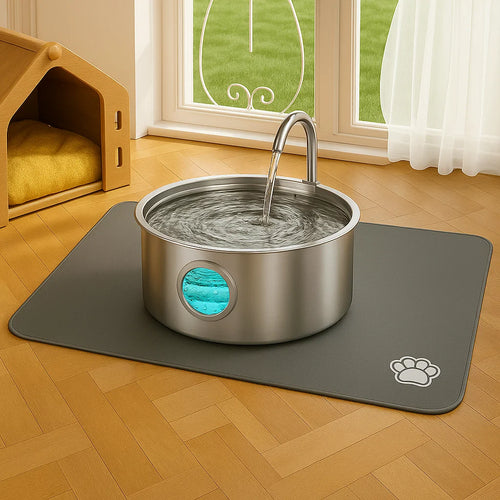
- Use a soft mat under the fountain to absorb vibration (especially on hard floors).
- Check pump position—make sure it’s centered and not touching the fountain wall.
- Adjust flow setting (if available) to a gentle stream for less splashing and quieter sound.
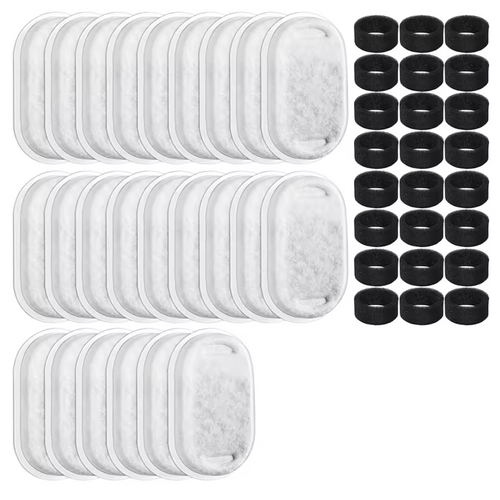
- Replace filters on schedule to avoid strain on the pump and water flow.
Cleaning Cadence: A Sound Solution
| Task | Frequency |
|---|---|
| Rinse and refill water | Daily |
| Wipe fountain exterior | 2-3 times per week |
| Deep clean & sanitize parts | Weekly |
| Replace filters | Every 2–4 weeks (per instructions) |
Empowering Your Dog’s Health: The Calm of Clean, Flowing Water
Choosing a quiet, hygienic fountain isn’t just about peace of mind—it’s about supporting your dog’s daily health. Stainless steel fountains, such as Pawdrate’s Filtered Water Fountain, are designed to dampen noise, resist bacteria, and stay beautiful with minimal maintenance. By keeping water moving, clean, and inviting, you help your dog drink more—leading to healthier kidneys, better energy, and a shinier coat.
For more on optimal hydration, see our full hydration guide, or explore the features of our premium stainless steel fountain for a quieter, healthier home.