


It can be unsettling to see your dog panting hard and heading straight for their water bowl again. Is it just a hot day, or is something more serious going on? You're not alone in wondering when thirst and panting are normal, and when they might be red flags. In this guide, you'll learn what drives your dog's panting and thirst, how to spot signs of dehydration versus normal cooling, and what you can do to support everyday hydration and health at home.
- Panting is normal after play, heat, or excitement—but excessive panting plus heavy thirst can signal dehydration.
- Healthy dogs typically drink 25–50 ml (about 1–2 oz) of water per kg (2.2 lbs) of body weight per day.
- Dehydration signs: dry gums, sunken eyes, lethargy, skin tenting.
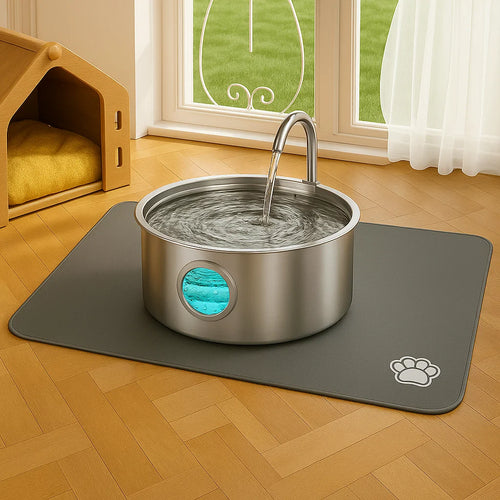
- Stainless steel, flowing water fountains help encourage dogs to drink more—and stay healthier.
- Always consult your vet if you notice sudden, extreme changes in panting or thirst.
Why Dogs Pant—and Why They Get Thirsty
Panting is a natural cooling system for dogs. Unlike humans, dogs sweat only minimally through their paw pads. Instead, they release heat through rapid breathing, letting water evaporate from their tongue and mouth. It's normal to see panting after play, on warm days, or when your dog is excited.
But panting also leads to water loss. The more your dog pants, the more moisture they lose—so it’s natural for them to seek water afterwards. This is why a brisk walk or even a stressful event can send your dog straight to their bowl.
Normal vs. Excessive: How Much Water Should Your Dog Drink?
Most healthy adult dogs drink between 25 and 50 ml (about 1–2 oz) of water per kilogram (2.2 lbs) of body weight per day. That means a 44-pound (20 kg) dog might need anywhere from about 17 to 34 ounces (500–1000 ml) daily. Puppies, active dogs, and those on dry food may need even more.
Daily Water Intake by Weight
| Dog Weight | Min Daily Intake | Max Daily Intake |
|---|---|---|
| 10 lbs (4.5 kg) | 4–9 oz (120–240 ml) | 9 oz (240 ml) |
| 25 lbs (11 kg) | 9–18 oz (270–530 ml) | 18 oz (530 ml) |
| 50 lbs (23 kg) | 18–38 oz (530–1100 ml) | 38 oz (1100 ml) |
| 75 lbs (34 kg) | 28–56 oz (830–1660 ml) | 56 oz (1660 ml) |
Note: Factors like food type, exercise, weather, and health all affect these numbers. If you’re unsure, check with your vet.
Recognizing Dehydration: Signs to Watch For
- Mild dehydration: Panting, tacky or dry gums, seeking water, slightly less energy.
- Moderate dehydration: Sunken eyes, dry nose, skin tenting (skin on the neck doesn't snap back quickly when lifted).
- Severe dehydration (emergency): Lethargy, collapse, rapid heart rate, vomiting, disorientation.
If you notice these more severe signs—or if your dog’s panting and thirst are sudden, extreme, or persistent—call your veterinarian.
How Water Quality and Bowl Hygiene Impact Thirst and Health
Dogs are sensitive to taste and smell. Stale, stagnant, or dirty water can keep them from drinking enough—even if they’re thirsty from panting or exercise. Bowls made from porous plastic can trap bacteria and odors, increasing the risk of biofilm (the slimy layer you sometimes feel on the inside). Stainless steel resists bacteria and is much easier to keep clean.
Comparing Water Bowl Materials
| Material | Hygiene | Durability | Biofilm Risk |
|---|---|---|---|
| Plastic | Porous, traps bacteria | Scratches easily | High |
| Ceramic | Non-porous, can chip | Breakable | Medium |
| Stainless Steel | Non-porous, easy to sanitize | Highly durable | Low |
Flowing water, like that in nature, also helps keep water fresher and more appealing. Many dogs instinctively prefer moving water, making a premium stainless-steel fountain a smart option for supporting healthy hydration.
Cleaning Cadence: Keep It Fresh
- Daily: Rinse bowl or fountain and refill with fresh water.
- Weekly: Deep clean with hot water and gentle soap (or dishwasher for stainless steel).
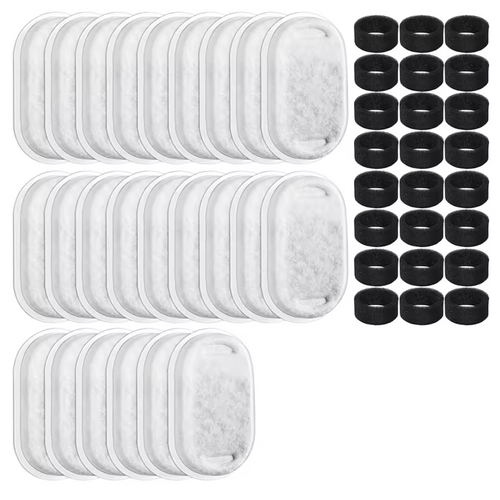
- Monthly: Replace filters as directed (usually every 2–4 weeks for most fountains).
Encouraging Healthy Hydration: Proactive Steps
- Keep water available at all times, especially after walks or play.
- Offer clean, cool water—change it daily, more often in summer or after heavy activity.
- Use stainless-steel, filtered fountains to entice picky or distracted drinkers.
- Monitor intake: track roughly how much your dog drinks, particularly during hot weather or illness.
Flowing, filtered water in a hygienic stainless-steel fountain doesn’t just taste fresher—it often helps dogs drink the amount they need for vibrant energy, kidney health, and a shiny coat. If you’re curious, explore the Pawdrate Filtered Water Fountain and see the difference for yourself.