


Few things unsettle devoted dog owners more than noticing their pup’s water bowl untouched. If you're feeling anxious because your dog isn’t drinking water, you’re not alone—and you’re right to care. Hydration is essential for your dog’s energy, kidney health, and even the shine of their coat. This guide will help you understand why dogs sometimes avoid water, how much they should be drinking, what you can do to encourage healthy habits, and when it’s time to call the vet.
- Most dogs need 25–50 ml of water per kg (about 0.4–0.8 oz per lb) of body weight per day.
- Common reasons for not drinking include bowl hygiene, stress, illness, and stale water.
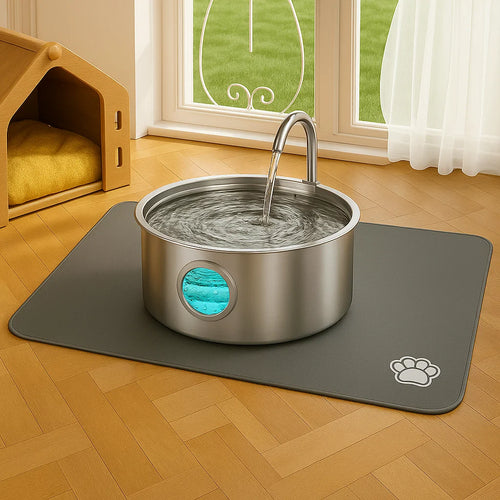
- Fresh, moving water in stainless-steel fountains often encourages more drinking.
- Early dehydration signs: dry nose, sticky gums, lethargy.
- If your dog won’t drink for over 24 hours, call your vet.
Why Dogs Stop Drinking Water: Key Causes
There are many reasons—some benign, some serious—why a dog might refuse water. Here are the most common:
- Bowl Aversion: Some dogs dislike the taste, smell, or feel of plastic bowls. Porous materials can harbor odors and bacteria that deter drinking.
- Stale or Contaminated Water: Dogs are naturally drawn to fresh, moving water. Still water can develop biofilm (slimy buildup) in as little as a day, making it unappealing.
- Stress or Change: New environments, loud noises, or disruptions in routine can lower a dog’s water intake.
- Diet and Weather: Dogs eating wet food or living in cool climates may drink less, but should still meet daily hydration needs.
- Health Issues: Dental pain, nausea, fever, or urinary issues can all suppress thirst. Always monitor for other symptoms.
How Much Water Does Your Dog Need?
Healthy adult dogs typically require 25–50 ml of water per kg body weight per day. Puppies, seniors, active breeds, and large dogs may need more. Here’s a general guide:
| Dog Weight | Daily Water Intake (ml) | Daily Water Intake (cups) |
|---|---|---|
| 10 lbs (4.5 kg) | 110–225 ml | ~0.5–1 cup |
| 30 lbs (13.6 kg) | 340–675 ml | ~1.5–2.8 cups |
| 60 lbs (27.2 kg) | 680–1360 ml | ~2.9–5.7 cups |
| 100 lbs (45 kg) | 1125–2250 ml | ~4.8–9.5 cups |
Note: Actual needs vary by activity, food type, weather, and medical factors. Ask your vet for personalized advice.
Signs of Dehydration: What to Watch For
Recognizing early symptoms can make all the difference. Here’s what to look for:
- Mild: Dry nose and gums, less interest in play, slightly sunken eyes.
- Moderate: Tacky or sticky gums, visible lethargy, poor skin elasticity (gently pinch skin at shoulder—should spring back quickly).
- Severe: Rapid heart rate, collapse, refusal to eat or drink, vomiting/diarrhea. Seek immediate veterinary care.
Encouraging Healthy Drinking: Practical Steps
Here are vet-aligned, practical strategies to help your dog drink more:
- Refresh Water Frequently: Change water at least daily, more often if soiled.
- Switch to Stainless Steel: Stainless bowls and fountains are non-porous, resist biofilm, and don’t absorb odors—unlike plastic or even ceramic. This can make water more appealing.
- Offer Flowing Water: Many dogs instinctively prefer moving water, which feels fresher—mirroring streams in nature.
- Place Water Strategically: Set up bowls or fountains in quiet, accessible spots, away from food and high-traffic areas.
- Add Flavor Creatively: If approved by your vet, try a splash of low-sodium broth or an ice cube for variety.
Cleaning and Hygiene: How Often?
| Task | Recommended Frequency |
|---|---|
| Rinse bowl/fountain | Daily |
| Deep clean (soap + scrub) | Weekly |
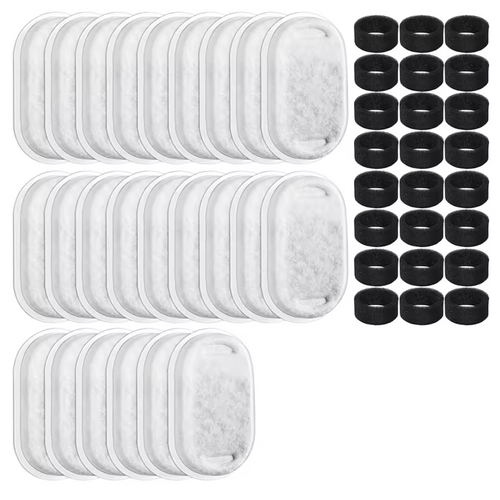
| Filter change (if using fountain) | Per manufacturer guidance (often 2–4 weeks) |
Material Matters: Stainless Steel vs. Plastic vs. Ceramic
| Material | Hygiene | Durability | Biofilm Risk |
|---|---|---|---|
| Stainless Steel | Excellent | High | Low |
| Plastic | Poor | Low | High |
| Ceramic | Good (if glazed, chip-free) | Medium | Medium |
Stainless steel is the gold standard for hygiene and durability—two things that help keep your dog’s water fresh and safe.
Building Healthier Habits: Next Steps
If your dog is hesitant to drink or has had issues with bowl aversion, consider the benefits of a flowing, filtered stainless-steel fountain. The gentle sound and constant movement can entice even picky drinkers, while premium materials ensure every sip is cleaner and fresher. See how a Pawdrate Fountain could help.
Empowering Takeaway
Your care and attention are the most important ingredients in your dog’s health journey. By spotting signs early and making small changes—like refreshing water more often or upgrading to a stainless-steel fountain—you’re giving your dog the gift of a longer, healthier life. If in doubt, always reach out to your veterinarian for personalized advice.
This article is informational and not medical advice.