


As a loving dog parent, nothing matters more than your pup’s long-term health and happiness. If you’ve ever worried about kidney disease or wondered how hydration really impacts your dog’s kidneys, you’re not alone—and you’re asking an important question. In this article, we’ll help you understand how water intake supports your dog’s kidneys, how to recognize early signs of trouble, and how to build habits that give your companion the healthiest life possible.
- Hydration is fundamental for healthy kidney function—water helps filter toxins and maintain electrolyte balance.
- Dogs typically need 25–50 ml of water per kg (0.4–0.8 oz/lb) per day, but needs can vary by age, diet, and activity.
- Early dehydration can worsen kidney problems or make dogs more vulnerable to urinary tract issues.
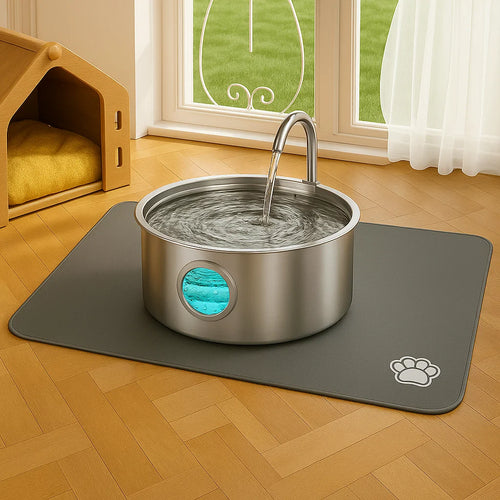
- Stainless-steel, circulating water sources help keep water fresher and reduce biofilm that may deter drinking.
- Always consult your vet if you notice unusual thirst, urination, or signs of kidney distress in your dog.
Why Your Dog’s Kidneys Depend on Good Hydration
Your dog’s kidneys work tirelessly behind the scenes, filtering waste products and balancing fluids—much like your own. Adequate water is essential to keep these vital organs working smoothly. When a dog doesn’t get enough to drink, their kidneys have to work harder, and over time, this can contribute to damage or disease.
Hydration supports:
- Flushing out toxins that build up in the blood
- Maintaining proper electrolyte balance for nerve and muscle function
- Regulating blood pressure, which helps protect the kidneys
- Preventing urinary crystals and infections—key risk factors for kidney disease
How Much Water Does Your Dog Really Need?
Most healthy adult dogs need about 25–50 ml of water per kilogram of body weight per day (roughly 0.4–0.8 ounces per pound). However, puppies, senior dogs, those on dry kibble, or dogs with kidney challenges may need more.
| Dog Weight | Minimum (25ml/kg) | Maximum (50ml/kg) |
|---|---|---|
| 10 lbs (4.5 kg) | 4 oz / 120 ml | 8 oz / 240 ml |
| 25 lbs (11.3 kg) | 9.5 oz / 280 ml | 19 oz / 565 ml |
| 50 lbs (22.7 kg) | 19 oz / 565 ml | 38 oz / 1,130 ml |
| 80 lbs (36.3 kg) | 29 oz / 910 ml | 58 oz / 1,820 ml |
Tip: If your dog eats canned food, they’ll get some water from their meals, but always ensure fresh, clean water is freely available.
Dehydration & Kidneys: What to Watch For
Dehydration doesn’t just make your dog thirsty—it can strain their kidneys. Here’s how to spot it early and what to do:
- Mild: Dry or sticky gums, less energy, subtle decrease in urination
- Moderate: Sunken eyes, tacky gums, noticeable lethargy, darker urine
- Severe: Loss of skin elasticity (skin stays tented when pinched), rapid heart rate, weakness, vomiting
Early intervention is key—chronic dehydration can speed up kidney damage or cause other urinary tract issues. If you ever suspect more than mild dehydration, consult your vet promptly.
Why Water Quality & Bowl Hygiene Matter for Kidney Health
Your dog’s willingness to drink can depend on how fresh and appealing their water is. Stale, dirty, or slimy water (often caused by slow bowl cleaning or porous plastic bowls) can discourage drinking, especially in older or already ill dogs.
| Material | Hygiene & Cleaning | Biofilm/Bacteria Risk | Durability |
|---|---|---|---|
| Plastic | Scratches easily, can trap bacteria | High | Low |
| Ceramic | Better, but can chip or crack | Moderate | Moderate |
| Stainless Steel | Resists scratches, easy to deep clean | Low | High |
Stainless-steel fountains with filtration and circulation help keep water fresher, more appealing, and safer for your dog’s kidneys—reducing the risk of bacterial buildup and biofilm that can develop in less hygienic setups.
How Often Should You Clean Your Dog’s Water Source?
| Task | Frequency |
|---|---|
| Rinse bowl/fountain | Daily |
| Deep clean with soap | Weekly |
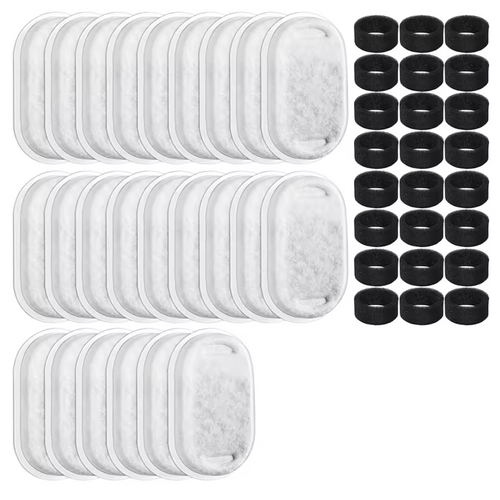
| Replace filter (if using fountain) | Per product instructions (often monthly) |
Building Healthier Hydration Habits for Lifelong Kidney Health
Encouraging your dog to drink more—and making it easy for them—is one of the simplest and most powerful ways to protect their kidneys for years to come. Here are some gentle strategies:
- Place multiple water sources in your home, especially for older dogs or multi-level homes.
- Choose a circulating, stainless-steel fountain to keep water fresh, cool, and appealing.
- Clean bowls and fountains regularly to ensure every sip is safe and inviting.
- Offer encouragement and monitor intake, especially during warmer months or after increased activity.
If you’re ready to take the next step for your dog’s kidney health, discover how a filtered, stainless-steel fountain can make hydration effortless—and cleaner—for your best friend.