


Traveling with your dog is one of life’s greatest joys—but it can come with worries, too. If you’ve ever wondered whether your dog is drinking enough on the road, you’re not alone. From long car rides to hotel stays, maintaining hydration is one of the most overlooked (yet vital) pieces of your dog’s travel health.
This guide explains why travel can increase dehydration risk, how to spot early warning signs, and practical strategies to keep your pup happily hydrated wherever you roam.
Why Hydration Is Critical When Traveling With Dogs
Dogs are creatures of habit. Changes in routine—like car rides, new climates, or hotel rooms—can throw off their water consumption. Add excitement, anxiety, or higher temperatures, and your dog’s risk of dehydration can quietly increase.
- Stress & Anxiety: Panting from nerves can cause fluid loss.
- Heat Exposure: Road trips in summer or outdoor adventures boost water needs.
- Unfamiliar Water Bowls: Dogs may avoid drinking if bowls smell odd or seem dirty.
- Changes in Activity: More walks or play means more hydration needed.
How Much Water Does Your Dog Need During Travel?
As a general guideline, healthy dogs need around 25–50 milliliters (0.85–1.7 ounces) of water per kilogram (2.2 lbs) of body weight each day. For a 50-lb dog, that’s roughly 1–2 liters (4–8 cups) per day. On travel days, aim for the higher end of this range, especially in warm weather or with increased activity.
Daily Water Intake by Weight
| Dog Weight | Min. Daily Intake | Max. Daily Intake |
|---|---|---|
| 10 lbs (4.5 kg) | 4 oz (120 ml) | 9 oz (270 ml) |
| 25 lbs (11 kg) | 9 oz (275 ml) | 18 oz (550 ml) |
| 50 lbs (23 kg) | 18 oz (550 ml) | 36 oz (1,100 ml) |
| 75 lbs (34 kg) | 27 oz (800 ml) | 54 oz (1,600 ml) |
Dehydration Signs to Watch for in Travel Settings
Hydration issues can escalate quickly on the road. Some signs are subtle, so check your dog regularly—especially during long drives, hikes, or air travel.
- Mild: Dry nose, sticky gums, less interest in water, slow skin "tent" return.
- Moderate: Lethargy, sunken eyes, dry mouth, faster heart rate.
- Severe: Vomiting, loss of skin elasticity, collapse. This is an emergency—seek a vet immediately.
- No urination or very dark urine for 8+ hours
- Persistent vomiting or diarrhea
- Extreme lethargy or unresponsiveness
- Signs of heatstroke (collapse, heavy panting, drooling)
Travel Hydration Checklist: What to Bring
- Enough fresh water for the full trip (plus extra for emergencies)
- Portable, non-porous water bottle or bowl—stainless steel recommended
- Travel-friendly pet fountain (battery-powered options ideal for hotels/campsites)
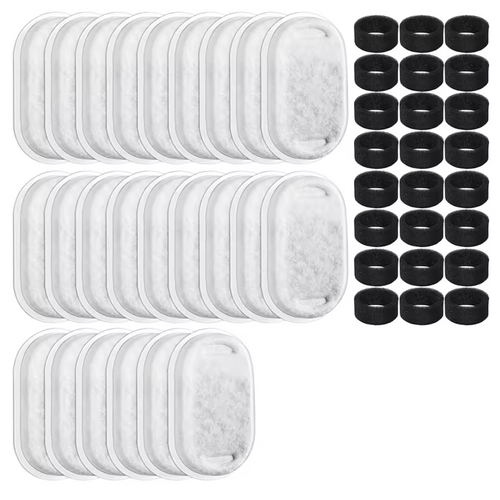
- Cleaning supplies: bottle brush, mild soap, extra filters if using a fountain
- Small towel for spills; favorite treats to encourage drinking
Best Practices for Safe, Clean Water on the Road
- Offer water every 1–2 hours, especially after walks or play.
- Use only clean containers. Stainless steel is best for preventing biofilm and bacteria buildup—plastic can harbor germs and odors.
- Don’t let dogs drink from public bowls or puddles—these can carry bacteria or chemicals.
- Wash travel bowls/fountains daily (rinse at each refill; deep clean weekly on longer trips).
- If using a portable fountain, replace filters per manufacturer guidelines (usually every 2–4 weeks).
Material Comparison: Travel Water Solutions
| Material | Hygiene | Durability | Biofilm Risk |
|---|---|---|---|
| Stainless Steel | Excellent—resists bacteria | High | Low |
| Plastic | Poor—scratches trap germs | Low–Med | High |
| Ceramic | Good (if glazed) | Moderate—may chip | Medium |
Healthy Hydration Habits—No Matter Where You Roam
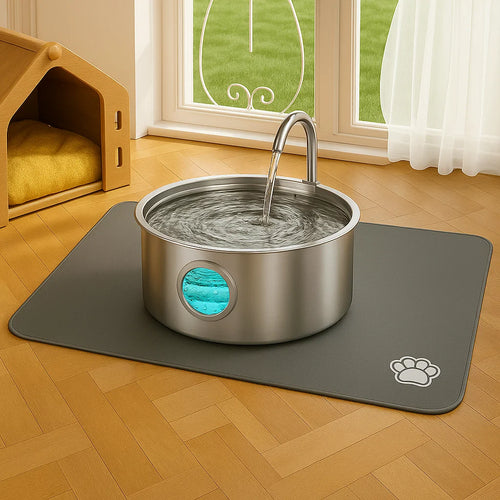
It only takes a little planning to make sure your dog enjoys safe, refreshing water on every adventure. Offering water in their familiar stainless steel fountain or bowl can encourage drinking even in new places. For hotel stays or camping trips, battery-powered pet fountains provide fresh, filtered water—no matter where you plug in or set up camp.
Ready to make healthy hydration effortless wherever you travel? Explore our Pawdrate filtered fountain—built for home and on-the-go, with hygienic stainless steel and advanced filtration to keep your dog happy and healthy.