


As devoted dog owners, we want to do everything right for our furry family members—especially when it comes to their health. But when it comes to hydration, misinformation abounds. Are you sure you know how much water your dog really needs, or whether materials like plastic or stainless steel matter? Let's clear up the most common dog hydration myths so you can make the best choices for your best friend.
What to Know: Dog Hydration Myths—Quick Facts
- Many dogs don't naturally drink enough water, even when bowls are full.
- Wet food doesn't provide all the hydration your dog needs.
- Stagnant water and porous materials (like plastic bowls) can breed bacteria.
- Signs of dehydration can be subtle—but have serious health impacts.
- Flowing, filtered water helps encourage healthy drinking habits.
Debunking the Biggest Dog Hydration Myths
Myth #1: "Dogs Will Always Drink When They're Thirsty"
This is one of the most common misconceptions. In reality, many dogs don’t self-regulate water intake—especially older dogs, flat-faced breeds, or those with prior urinary or kidney issues. Some are simply finicky if water is stale or bowls are dirty, leading to chronic, low-level dehydration.
Myth #2: "Wet Food Means I Don’t Need to Worry About Water Bowls"
While wet food is higher in moisture, it rarely meets all your dog's hydration needs. Even dogs on canned diets should always have access to fresh, clean water. As a rough guideline, healthy adult dogs should consume about 25–50 ml of water per kg of body weight per day (roughly 0.5–1 oz per pound), but this varies by activity, age, and weather.
Myth #3: "All Water Bowls Are the Same"
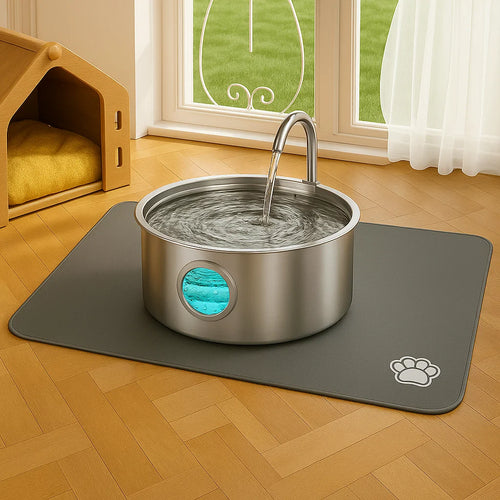
Material and cleanliness matter more than many realize. Plastic bowls can develop micro-scratches that harbor bacteria and biofilm, even after washing. Stainless steel is non-porous, easier to sanitize, and resists developing odors or stains. Flowing water (like in a fountain) also discourages bacterial growth and encourages dogs to drink more, mirroring natural streams.
Myth #4: "If the Bowl Looks Clean, It Is Clean"
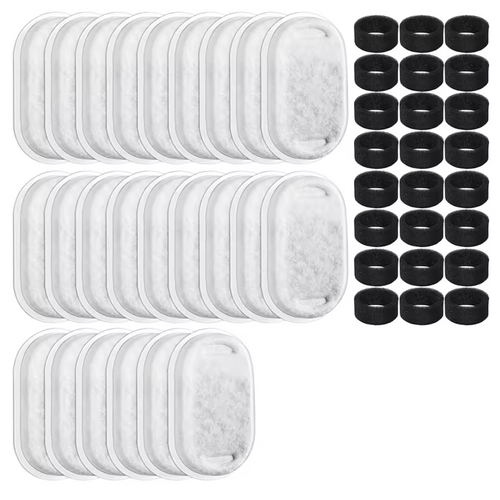
Bacteria and biofilm can build up even if you don’t see residue. Daily rinsing and weekly deep cleaning are recommended for all dog water bowls—and filters should be replaced as directed by your fountain’s instructions.
Myth #5: "Dogs Only Need More Water in the Summer"
Hydration is year-round! Indoor heating in winter dries the air, and exercise or age-related issues can increase needs any season.
How Much Water Does Your Dog Really Need?
Every dog is unique, but the following table gives a helpful starting point. Always adjust for activity, age, diet, and health—consult your vet when in doubt.
| Dog Weight | Recommended Intake |
|---|---|
| 10 lbs (4.5 kg) | 200–450 ml (7–15 oz) |
| 25 lbs (11 kg) | 550–1,100 ml (19–37 oz) |
| 50 lbs (23 kg) | 1,150–2,300 ml (39–78 oz) |
| 75 lbs (34 kg) | 1,700–3,400 ml (58–115 oz) |
Tip: Track your dog's intake for a few days to see if they're meeting their needs.
Dog Bowl & Fountain Hygiene: Why Materials Matter
| Material | Hygiene | Durability | Biofilm Risk |
|---|---|---|---|
| Stainless Steel | Excellent (non-porous, easy to sanitize) | High | Lowest |
| Ceramic | Good (if glaze intact) | Moderate | Medium |
| Plastic | Poor (scratches harbor bacteria) | Low-Moderate | High |
Stainless steel is recommended by many vets due to its hygiene and longevity, and is less likely to cause allergic reactions around your dog's mouth.
How Often Should You Clean Your Dog’s Water Bowl or Fountain?
| Task | Frequency |
|---|---|
| Rinse & Refill | Daily |
| Deep Clean (soap, hot water, scrub) | Weekly |
| Replace Filter (if using fountain) | Every 2–4 weeks (check product) |
Consistency is key—set a reminder to keep your dog’s water source sparkling clean.
Small Changes, Big Health Gains
Now that the myths are busted, you can feel confident in your dog’s hydration routine. Offering clean, circulating water in a hygienic stainless-steel fountain helps ensure your dog gets what they need every day. Curious about switching to a healthier hydration routine? See how a Pawdrate stainless-steel fountain makes hydration easier for you and your dog.
Remember: Better hydration supports energy, healthy kidneys, and a happier life for your best friend. You’ve got this!