


When your dog seems unusually tired, it's easy to chalk it up to age or the weather. But did you know that dehydration is a leading—and often overlooked—cause of canine fatigue?
In this guide, we’ll explore why dehydration zaps your dog’s energy, how to spot the signs early, and what you can do to help your pup live a more vibrant, healthy life. Whether you have an active retriever or a mellow lapdog, understanding this connection can make all the difference.
- Fatigue is often an early sign of dehydration in dogs—before more severe symptoms appear.
- Healthy dogs should drink about 25–50 ml of water per kg (0.4–0.8 oz/lb) of body weight daily.
- Filtered, circulating water in stainless-steel fountains can boost hydration and energy.
- Regular cleaning (daily rinse, weekly deep clean) is essential for keeping drinking water safe.
- If your dog’s fatigue is sudden, severe, or paired with vomiting, call your vet promptly.
Why Hydration Fuels Your Dog’s Energy
Water is the lifeblood of your dog’s cells, muscles, and organs. Just as you’d feel sluggish and foggy after a hot day without water, dogs rely on hydration for everything from muscle movement to brain function. Even mild dehydration can cause your dog to become tired, less playful, or even irritable.
Imagine a creek versus a stagnant pond: moving water stays fresher, supporting vibrant life. The same is true for your dog’s water source. Stale, standing water can discourage drinking and allow bacteria to grow, compounding the risk of dehydration and fatigue.
How Much Water Does Your Dog Need?
General guidelines recommend 25–50 ml/kg (roughly 0.4–0.8 oz/lb) of body weight daily for a healthy adult dog. However, individual needs vary by age, breed, activity, and diet. Dogs eating mostly dry kibble will need more water than those on wet or raw diets.
| Dog Weight | Min (ml) | Max (ml) | Min (oz) | Max (oz) |
|---|---|---|---|---|
| 10 lbs (4.5 kg) | 110 | 225 | 3.7 | 7.6 |
| 25 lbs (11 kg) | 275 | 550 | 9.3 | 18.6 |
| 50 lbs (23 kg) | 575 | 1,150 | 19.4 | 38.8 |
| 75 lbs (34 kg) | 850 | 1,700 | 28.7 | 57.4 |
Note: These are general guidelines. Your dog’s specific needs may vary; consult your veterinarian for personalized advice.
Fatigue & Other Signs of Dehydration
Fatigue is often the first sign of dehydration in dogs but is easy to miss. Here’s a breakdown of dehydration signs by severity:
Mild Dehydration
- Tiredness, less interest in play
- Slightly tacky gums
- Subtle changes in mood or appetite
Moderate Dehydration
- Noticeable lethargy (long naps, slow to rise)
- Sunken eyes
- Dry nose/gums
- Skin doesn’t snap back quickly after a gentle pinch (skin tent test)
Severe Dehydration
- Extreme weakness or collapse
- Panting, rapid heart rate
- Refusal to eat or drink
- Vomiting or diarrhea
If you notice any of the above—especially with sudden onset—it’s time to take action.
Why Water Source and Cleanliness Matter
| Material | Hygiene | Durability | Biofilm Risk |
|---|---|---|---|
| Stainless Steel | Excellent (non-porous, easy clean) | High | Low |
| Plastic | Poor (scratches, harbors bacteria) | Low | High |
| Ceramic | Fair (may chip, needs careful cleaning) | Medium | Medium |
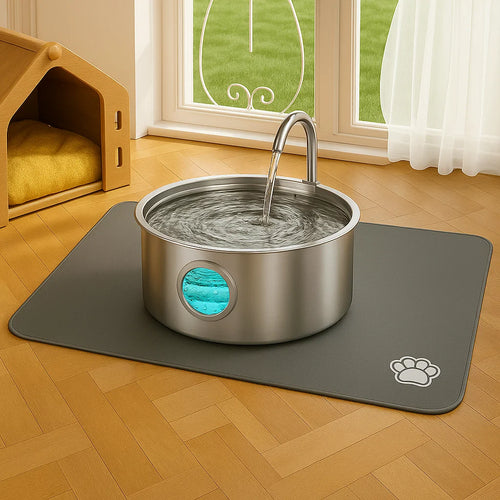
Stainless-steel fountains are designed to be non-porous, so they resist bacteria buildup and are easier to keep clean than plastic or even ceramic. Flowing water mimics what dogs naturally seek in the wild—fresh, moving, oxygen-rich water—while filters remove impurities and keep things tasting fresh.
Cleaning Cadence for Dog Water Fountains
| Task | How Often |
|---|---|
| Quick Rinse/Refill | Daily |
| Deep Clean (disassemble & wash with soap) | Weekly |
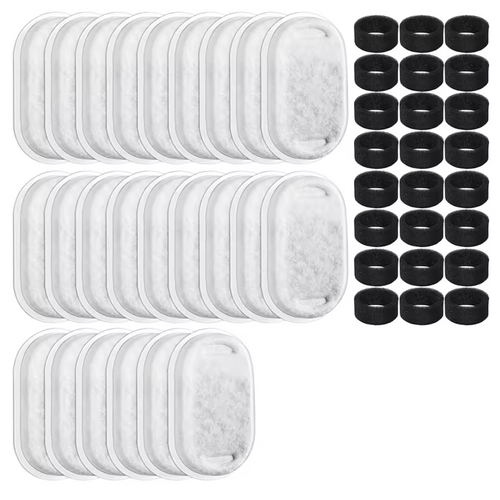
| Filter Replacement | Every 3–4 weeks (or per manufacturer) |
Staying on schedule means your dog always has access to fresh, inviting water—every day.
Practical Tips: Boosting Your Dog’s Energy with Better Hydration
- Offer fresh, filtered water at all times—especially after exercise or during warm weather
- Watch for subtle changes in playfulness or nap patterns
- Clean water bowls or fountains regularly to prevent bacteria buildup
- Consider a stainless-steel, filtered fountain to entice picky drinkers and support vibrant health
Healthy hydration habits can help restore your dog’s pep—and support long-term wellness.
The Pawdrate Difference
If you’re ready to help your dog feel more energetic and less fatigued, consider upgrading to a filtered, stainless-steel fountain like the Pawdrate Filtered Water Fountain. Its constant water movement and easy-to-clean design create a more inviting, hygienic drinking experience—supporting hydration from the inside out.
Clean, fresh water isn’t just about quenching thirst—it’s about giving your dog the energy to enjoy every walk, game, and cozy afternoon by your side.