

Your dog can’t tell you when they’re thirsty—but their body will. Spotting dehydration signs early keeps your best friend healthier, more energetic, and by your side for years to come. If you’ve ever wondered if you’d notice your dog’s subtle signals, this guide is for you.
We’ll walk you through the most common (and most overlooked) signs of dog dehydration, what can cause it, how much water your dog really needs, and how to make hydration effortless and safe—every day.
Why Hydration Matters for Dogs
Water is the foundation for every cell and organ in your dog’s body—from keeping kidneys healthy to supporting a shiny coat and a wagging tail. Yet, dehydration is one of the quietest threats pet families face. Unlike us, dogs can’t sweat to cool off, and their thirst drive can be surprisingly low—especially in older pups or picky drinkers.
Dog Dehydration Signs: Mild, Moderate & Severe
Dehydration doesn’t always look dramatic. Here’s how to recognize it, from early to urgent:
| Severity | Signs to Watch |
|---|---|
| Mild |
|
| Moderate |
|
| Severe |
|
Remember: Some breeds (like Bulldogs, older dogs, and large breeds) can be at higher risk, especially in warm weather or after exercise.
How Much Water Does Your Dog Need?
Every dog is unique, but general guidelines help ensure your pup is getting enough to drink. Use this table to start:
| Dog Weight (lbs) | Daily Water Range (oz) | Dog Weight (kg) | Daily Water Range (ml) |
|---|---|---|---|
| 10 | 4–8 | 4.5 | 110–225 |
| 25 | 10–20 | 11 | 275–550 |
| 50 | 20–40 | 23 | 575–1150 |
| 75 | 30–60 | 34 | 850–1700 |
Tip: Dogs eating mostly wet food may drink less, while those on dry food or active pups often need more. Always offer extra water during heat, illness, or after play.
Why Dogs Get Dehydrated: Common Causes
- Warm weather, exercise, or dry indoor air
- Underlying health conditions (kidney, diabetes, GI upset)
- Unappealing or stagnant water (biofilm, odors)
- Poor bowl hygiene or plastic taste aversion
- Senior dogs and certain breeds with flatter faces
Dogs can be surprisingly picky about their water. Some avoid drinking from bowls that smell off, taste odd, or look cloudy. That’s one reason why bowl material (stainless vs. plastic) matters more than you might think.
Hygiene Matters: Stainless Steel vs. Plastic
| Material | Hygiene | Durability | Biofilm Risk |
|---|---|---|---|
| Stainless Steel | Non-porous; easy to sanitize | Highly durable | Low |
| Plastic | Porous; scratches trap bacteria | Prone to cracks, absorbing odors | High |
| Ceramic | Glazed surface, can chip | Moderate (risk with chips) | Moderate |
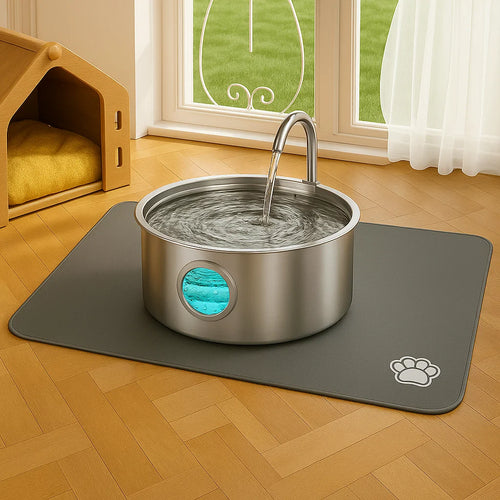
Stainless steel fountains, like those from Pawdrate, stay cleaner and discourage the invisible buildup that makes water unappealing to dogs—supporting better hydration with less effort from you. Learn how a flowing, filtered fountain can help.
Cleaning Schedule: Fresh Water, Every Day
| Task | Frequency |
|---|---|
| Quick Rinse & Refill | Daily |
| Deep Clean (soapy water, scrub all parts) | Weekly |
| Replace Filter (if applicable) | Every 2–4 weeks (per product guide) |
Dogs notice when water looks, smells, or tastes off. Clean, moving water is simply more appealing—and safer—for everyone in your home.
Building Healthier Hydration Habits
Just like us, dogs thrive when water is fresh, clean, and always available. Flowing, filtered water in stainless steel fountains can encourage even the pickiest drinkers—and reduce your cleaning workload. See how Pawdrate’s premium designs support your dog’s lifelong health.