

Every dog parent knows the worry that sets in when your furry friend just isn’t themselves—low energy, refusing food, sluggish on walks. If you’ve ever faced a bout of dehydration with your dog, you understand how quickly things can change and how important a mindful recovery is.
This guide will walk you through the signs of dehydration, the safest steps for recovery at home, when to call your vet, and how to create hydration habits that support your dog’s lifelong health. Whether your dog is bouncing back from illness, heat, or just a busy day, you’ll leave with confidence and practical tools to help them thrive.
- Dehydration can develop quickly—early action and observation matter.
- Most dogs need 25–50 ml/kg (11–23 ml/lb) of water daily—more in heat or after activity.
- Recovery means gradual rehydration, not overcompensation.
- Clean, flowing water in stainless steel helps encourage drinking and prevents new issues.
- Always contact your vet if you’re unsure or see moderate/severe symptoms.
Why Dehydration Happens—and How Recovery Works
Dogs lose water through panting, urination, and simple evaporation—especially in hot weather, after play, with illness, or if they’re just not interested in their water bowl. Once dehydration sets in, the body struggles to circulate nutrients, flush toxins, and regulate temperature. Recovery is about restoring that balance, gently and safely.
Signs Your Dog Is Recovering—And When to Worry
- Mild dehydration: Dry gums, tacky saliva, slight lethargy. Drinking more than usual is a good early sign of recovery.
- Improvement: Gums become moist, energy returns, urine lightens in color, appetite improves.
- Worrisome signs: Persistent vomiting, refusal of all fluids, sunken eyes, skin that stays tented after a gentle pinch—these require a vet’s attention.
- Your dog isn’t urinating or is straining to urinate.
- Gums are very pale, dry, or sticky after several hours of home care.
- There’s ongoing vomiting or diarrhea.
- Signs of confusion, collapse, or a weak pulse.
How Much Water Does Your Dog Need? (Daily Calculator)
Healthy recovery starts by restoring normal hydration levels. Use this table to estimate your dog’s daily water needs—and monitor their intake as they recover.
| Dog Weight | Daily Water Requirement |
|---|---|
| 10 lbs (4.5 kg) | 110–230 ml (3.7–7.8 oz) |
| 25 lbs (11.3 kg) | 280–570 ml (9.5–19.3 oz) |
| 50 lbs (22.7 kg) | 570–1,135 ml (19.3–38.4 oz) |
| 75 lbs (34 kg) | 850–1,700 ml (28.7–57.5 oz) |
Note: These are general guidelines. Dogs eating wet food, nursing, or exercising heavily often need more. Always follow your vet’s instructions during recovery.
Safe Steps for Dog Dehydration Recovery at Home
- Offer fresh, cool water frequently. Let your dog drink at their own pace. Never force large amounts at once.
- Monitor intake. Track how much your dog drinks and watch for normal urination. Small, steady sips are best.
- Tempt reluctant drinkers. Try adding a splash of low-sodium broth or ice cubes to encourage drinking.
- Rest and observe. Keep activity gentle until energy and hydration return.
- Prevent future episodes. Place water in several easy-to-reach spots, especially after walks or play.
Why Cleanliness and Water Movement Matter in Recovery
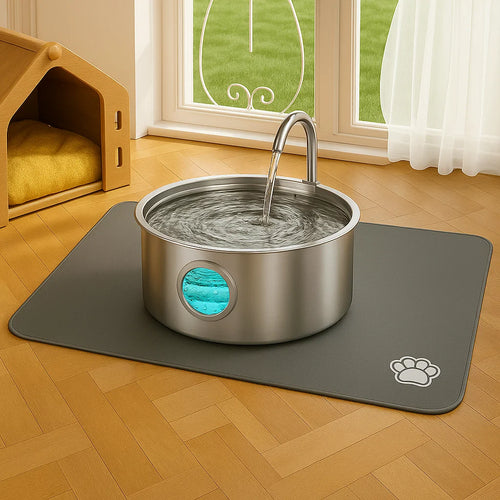
Stagnant, unclean water is a major reason some dogs refuse to drink—especially after they’ve been unwell. Bacteria can multiply rapidly in bowls, especially plastic or porous materials. This is where a premium stainless-steel fountain makes a difference:
- Stainless steel is non-porous and resists bacteria buildup, unlike plastic or even ceramic.
- Circulating water stays fresher and more appealing, encouraging your dog to drink more.
- Easy cleaning: Most stainless fountains are dishwasher-safe and resist slime and odors.
| Material | Hygiene | Durability | Biofilm Risk |
|---|---|---|---|
| Stainless Steel | Excellent; non-porous | High | Low |
| Plastic | Poor; scratches harbor bacteria | Low | High |
| Ceramic | Good; can chip | Moderate | Medium |
How Often Should You Clean Your Dog’s Water Fountain?
| Task | Frequency |
|---|---|
| Rinse bowl & refill water | Daily |
| Deep clean (dishwasher or scrub with pet-safe soap) | Weekly |
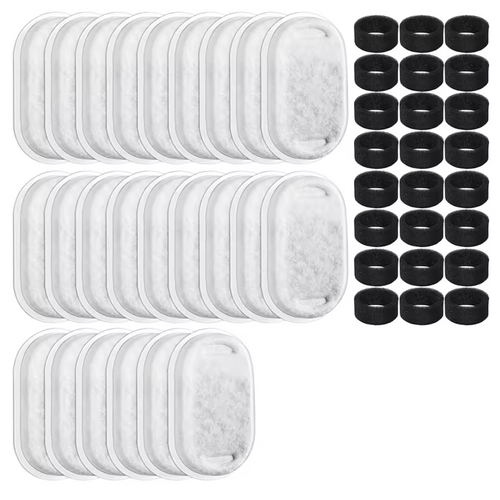
| Replace filter (if present) | Every 2–4 weeks |
Consistent cleaning helps prevent the buildup of bacteria and keeps water fresh and inviting—crucial for dogs recovering from dehydration.
Creating Healthy Hydration Habits for Life
The best way to support your dog’s recovery—and prevent future dehydration—is to make hydration easy and appealing. Flowing, filtered water from a hygienic stainless-steel fountain can be more inviting for your pup and far easier for you to maintain.
Learn more about the benefits of a premium filtered fountain and how it can help your dog stay healthy, hydrated, and happy every day.
A Gentle Reminder: Every Sip Counts
Recovery is a process, not a race. Each small improvement—an extra drink, a brighter mood, a healthy appetite—means you’re on the right track. Your care, patience, and the right hydration habits can make all the difference in your dog’s journey back to health and vitality.
This article is informational and not medical advice. Always consult your veterinarian for urgent concerns.