

As a loving dog parent, you want your best friend to be happy and healthy—sometimes, though, the hidden risks are right under our noses (or, rather, theirs). If you’ve ever wondered about the safety of your dog’s water or food bowl, you’re not alone. This guide will help you understand bacteria risks, health consequences, and simple ways to keep your dog’s hydration truly safe.
- Dog bowls—especially plastic—can harbor harmful bacteria, including biofilm.
- Dirty bowls can contribute to health issues: digestive upset, skin infections, and more.
- Stainless steel is safest: non-porous, easy to clean, resists bacteria growth.
- Proper cleaning routine is essential for every bowl, every dog, every day.
- Flowing, filtered water further reduces risks—especially for sensitive or larger breeds.
Why Dog Bowl Hygiene Matters
Dog bowls are a hotspot for germs. When your pup eats or drinks, their saliva mixes with leftover food and water, creating a breeding ground for bacteria. Over time—sometimes just a day—these microbes multiply rapidly, forming biofilm: a slimy coating that clings to bowl surfaces.
Biofilm isn’t just unsightly; it’s stubborn, resistant to rinsing, and can harbor pathogens like E. coli, Salmonella, and Pseudomonas. These can make your dog sick and even pose risks for humans, especially young children or immunocompromised adults.
Health Risks: How Bacteria in Bowls Affect Dogs
- Digestive Issues: Vomiting, diarrhea, and appetite loss can occur if harmful bacteria are ingested.
- Skin Infections: Chin acne and rashes are common in short-coated breeds, especially from plastic bowls.
- Urinary and Kidney Concerns: Contaminated water can cause or worsen urinary tract infections (UTIs), especially in female or older dogs.
- General Illness: Lethargy, fever, and behavioral changes may signal bacterial exposure.
Dogs with weaker immune systems—puppies, seniors, or those with chronic medical issues—are at even higher risk.
Which Bowl Materials Are Safest?
| Bowl Material | Hygiene | Durability | Biofilm Risk |
|---|---|---|---|
| Stainless Steel | Excellent; non-porous, easy to sanitize | Very high | Low (if cleaned regularly) |
| Ceramic (glazed) | Good, but chips can harbor bacteria | Moderate | Medium |
| Plastic | Poor; scratches trap bacteria | Low (scratches/cracks easily) | High |
Stainless steel is the gold standard for hygiene. It resists scratches, never leaches chemicals, and is easy to deep-clean—an excellent reason to upgrade if you’re currently using plastic or ceramic.
How Often Should You Clean Dog Bowls?
| Task | Frequency |
|---|---|
| Daily rinse with hot water | Every day |
| Deep clean with soap or dishwasher | At least once a week (more often for raw feeders) |
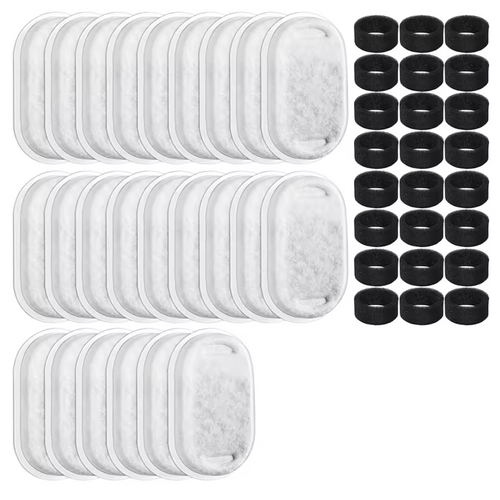
| Check/replace filters (if using a fountain) | Per manufacturer guidelines (often 2–4 weeks) |
Quick tip: If you see or feel any slime, stains, or odors—clean immediately! Don’t wait for your regular schedule.
Did You Know? Bacteria Multiply Fast
In standing water, bacteria can double every 20 minutes at room temperature. That’s why a bowl left out overnight can be a mini science experiment by morning. Flowing water—like in a high-quality fountain—interrupts biofilm formation and makes it much harder for bacteria to thrive.
Calculator: How Much Water Does Your Dog Need?
Proper hydration helps flush out bacteria and keeps your dog’s body healthy. Use this table as a starting point (always consult your vet for specifics):
| Dog Weight (lbs) | Daily Water (oz) | Daily Water (ml) |
|---|---|---|
| 10 | 8–17 | 250–500 |
| 25 | 20–42 | 600–1250 |
| 50 | 34–84 | 1000–2500 |
| 75 | 50–125 | 1500–3700 |
General rule: 25–50 ml per kg body weight per day. Active dogs or hot weather may increase needs.
From Bowl to Fountain: Upgrading for Health
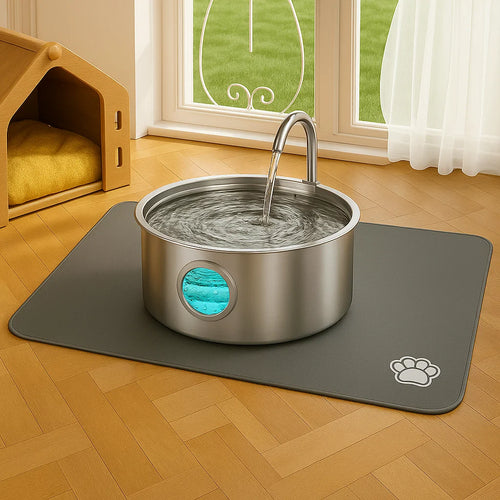
Switching to a stainless-steel, filtered fountain isn’t just about convenience. Flowing water naturally discourages biofilm formation and keeps water tasting fresh—encouraging your dog to drink more and stay hydrated. Stainless steel is much easier to keep truly clean than plastic or ceramic, meaning fewer hidden hazards and less worry for you.
If you’re ready to move from problem-aware to solution-aware, see how a premium, stainless-steel fountain can simplify safe hydration.
Empowering Takeaway
Clean bowls save lives—literally. With a little knowledge and a solid cleaning routine, you can protect your beloved dog from preventable illness and enjoy the peace of mind that comes from knowing you’re doing your best. Every sip matters. Here’s to many more happy, healthy years together.