


It’s not just you—many loving dog parents notice their pup’s breath isn’t always pleasant. If you’re here because your dog’s bad breath is making snuggles less enjoyable, you’re not alone. The good news? Water—specifically, clean, circulating water—plays an essential role in your dog’s oral health. In this guide, we’ll connect the dots between hydration and halitosis, share practical steps for fresher breath, and offer expert-backed tips for a healthier, happier pup.
- Dehydration and dirty water bowls can worsen your dog’s bad breath.
- Dogs need 25–50 ml of water per kg (0.4–0.8 oz per lb) of body weight daily.
- Stagnant water and plastic bowls increase bacteria and odor risk.
- Regular cleaning and stainless-steel fountains help prevent mouth bacteria buildup.
- Persistent bad breath can signal health issues—know when to call your vet.
Why Does My Dog Have Bad Breath?
Dog breath is rarely minty—some odor is normal. But if your pup’s breath is strong enough to make you flinch, it’s time to investigate. Bad breath, or halitosis, most often stems from bacteria buildup in your dog’s mouth. When food particles linger or gums become inflamed, odor-forming bacteria thrive. However, water—and the way your dog drinks it—can make a surprising difference.
How Hydration Impacts Oral Health
Water isn’t just for thirst—it’s a natural rinse for your dog’s mouth. Every drink helps wash away food debris and bacteria before they can stick to teeth or gums. When dogs don’t drink enough or their water source isn’t clean, bacteria multiply quickly, leading to plaque, tartar, and unpleasant smells.
Dehydration & Bacteria: A Vicious Cycle
- Low water intake causes dry mouth, meaning less natural cleansing.
- Stagnant or dirty water exposes dogs to more bacteria, which can colonize the mouth.
- Plastic bowls often develop micro-scratches that trap bacteria and biofilm—even after washing.
How Much Water Does Your Dog Need?
Every dog is different, but a general guideline is 25–50 ml per kg (0.4–0.8 oz per lb) of body weight per day. Factors like size, activity, diet, and weather can increase needs. Use the table below for a quick estimate:
| Dog Weight | Min–Max Daily Water |
|---|---|
| 10 lbs (4.5 kg) | 6.5–13 oz (195–390 ml) |
| 25 lbs (11.3 kg) | 16.5–33 oz (415–825 ml) |
| 50 lbs (22.7 kg) | 33–66 oz (825–1,650 ml) |
| 75 lbs (34 kg) | 49–99 oz (1,390–2,800 ml) |
Note: These are general ranges. Needs vary—always ensure fresh water is available and consult your vet for guidance.
Choosing the Right Water Source: Hygiene Matters
Water that sits still quickly becomes a breeding ground for bacteria. Many plastic bowls, even when regularly washed, develop a slimy film (biofilm) that harbors germs. These bacteria can transfer to your dog’s mouth, worsening breath and oral health.
Material Comparison: Bowls & Fountains
| Material | Hygiene | Durability | Biofilm Risk |
|---|---|---|---|
| Stainless Steel | Excellent (non-porous, easy to sanitize) | High | Low |
| Ceramic | Good (can chip, needs careful cleaning) | Medium | Medium |
| Plastic | Poor (scratches trap bacteria) | Low | High |
Pro tip: Flowing water (from a fountain) stays fresher, with less chance for bacteria to multiply. Stainless steel is the gold standard for hygiene and longevity.
How to Keep Your Dog’s Water Clean
- Rinse bowls/fountains daily to prevent slime and debris buildup.
- Deep clean weekly using hot, soapy water (or dishwasher if safe).
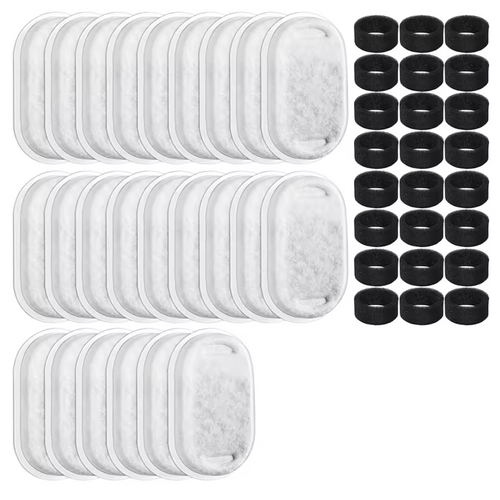
- Replace filters in fountains as directed—usually every 2–4 weeks.
- Refresh water at least once a day (more in hot weather or for slobbery breeds).
| Task | Frequency |
|---|---|
| Quick Rinse | Daily |
| Deep Clean | Weekly |
| Filter Replacement | Every 2–4 weeks |
When to Call the Vet
Healthy Habits for a Fresher Mouth
- Ensure your dog always has access to clean, flowing water.
- Choose a stainless-steel fountain for easy cleaning and better hygiene.
- Brush your dog’s teeth regularly (daily or as often as your vet recommends).
- Offer dental chews or toys approved for oral health.
- Stay on top of professional dental cleanings as advised by your vet.
Support Their Health with Better Water
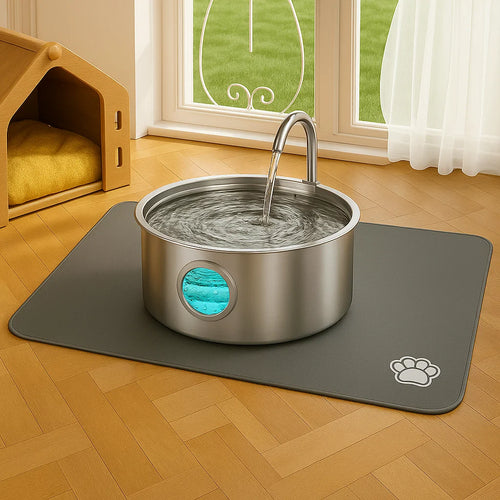
Dog parents know: A little effort goes a long way when it comes to fresh breath and overall well-being. By making clean, circulating water a daily habit, you’re supporting not just a sweeter-smelling mouth, but also kidney, urinary, and whole-body health. For an elegant, stainless-steel solution designed to keep water fresher and more appealing, consider the Pawdrate Filtered Water Fountain—a gentle upgrade for your dog’s daily routine.