


Your diabetic dog’s hydration isn’t just about thirst—it’s a cornerstone of their health and happiness. If you’re worried about keeping their water intake on track, you’re not alone. Diabetes puts unique demands on your pup’s body, making hydration even more essential and sometimes confusing. This guide will help you spot the signs, understand what’s normal, and create a daily routine that supports your dog’s well-being.
What to Know: Diabetic Dog Hydration at a Glance
- Diabetic dogs are prone to dehydration due to increased urination.
- Proper hydration supports kidney health, energy, and blood sugar management.
- Watch for subtle and severe dehydration signs—early action matters.
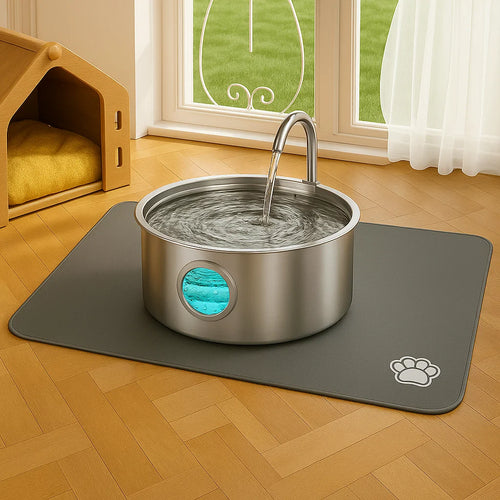
- Stainless-steel, flowing water fountains help keep water clean and appealing.
- Always consult your vet for personalized intake guidance.
Why Hydration Is Especially Crucial for Diabetic Dogs
Diabetes changes how your dog’s body processes sugar, often causing excessive thirst and urination. This cycle can quickly lead to dehydration—even if you’re refilling the water bowl more than ever. Dehydration stresses the kidneys, increases the risk of urinary tract infections, and can make it harder to manage blood glucose. Supporting your diabetic dog with fresh, clean water isn’t just comforting—it can help protect their vital organs and improve their daily energy.
How Much Water Should a Diabetic Dog Drink?
Every dog’s needs are unique, but here’s a general guideline:
| Dog Weight | Recommended Range* | Diabetic Monitoring |
|---|---|---|
| 10 lbs (4.5 kg) | 9–17 oz (270–500 ml) | Alert if >20 oz/day |
| 25 lbs (11 kg) | 22–44 oz (650–1,300 ml) | Alert if >50 oz/day |
| 50 lbs (23 kg) | 44–85 oz (1.3–2.5 L) | Alert if >100 oz/day |
| 75 lbs (34 kg) | 67–126 oz (2.0–3.7 L) | Alert if >140 oz/day |
*Typical guideline: 25–50 ml/kg/day. Diabetic dogs often exceed this when blood sugar is high. Always confirm targets with your veterinarian.
Signs of Dehydration in Diabetic Dogs
- Mild: Dry nose, sticky gums, reduced interest in water
- Moderate: Lethargy, sunken eyes, skin doesn’t quickly snap back when gently pinched
- Severe: Weakness, vomiting, rapid breathing, collapse (requires urgent veterinary care)
Because diabetic dogs may urinate more or seem hungrier/thirstier, subtle changes can be easy to miss. Track daily water intake and energy levels for early warning signs.
Hydration Routine: Tips for Diabetic Dog Owners
- Provide constant access to fresh, clean water—never restrict, even if drinking seems excessive.
- Measure and record water intake daily, especially during weather or medication changes.
- Offer water in a location that’s easy to reach; some diabetic dogs tire easily or need help.
- Choose bowls or fountains that are easy to clean and discourage bacterial build-up.
- Rinse water containers daily and deep clean weekly (see table below).
Why Material Matters: Stainless Steel vs. Plastic or Ceramic
| Material | Hygiene | Durability | Biofilm/Bacteria Risk | Cleaning Ease |
|---|---|---|---|---|
| Stainless Steel | Does not leach, easy to sanitize | Long-lasting | Lowest | Dishwasher safe |
| Plastic | Prone to scratching, harbors bacteria | Can crack, degrade | High—especially for immune-compromised dogs | May trap odors/stains |
| Ceramic | Can harbor mold if chipped | Heavy, breakable | Medium | Varies |
For diabetic dogs, whose immune systems may be more vulnerable, stainless steel’s non-porous surface and easy sanitizing are especially important.
Cleaning Cadence for Safe Hydration
| Step | How Often |
|---|---|
| Rinse bowl/fountain with hot water | Daily |
| Deep clean with soap, rinse thoroughly | Weekly |
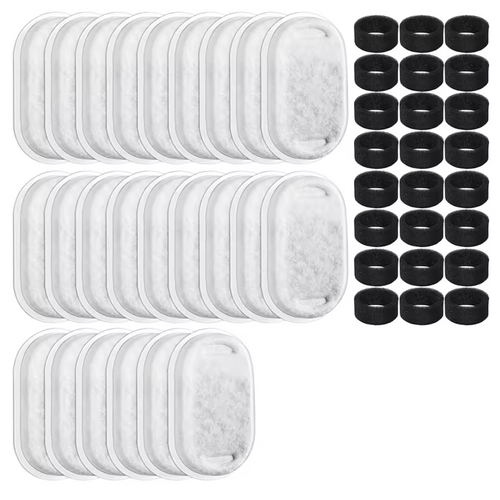
| Replace water filter (if applicable) | Every 2–4 weeks |
Empowering Your Dog’s Health with Better Hydration
Managing diabetes in your dog is a daily act of love. The right hydration routine—clean, appealing, and always available—makes a world of difference. A stainless-steel, filtered water fountain encourages healthy drinking habits by mimicking the fresh, moving water dogs naturally prefer. It’s a simple step that supports kidney health, prevents bacteria, and offers peace of mind for you and wellbeing for your pup.
See how a Pawdrate Fountain can help you build a safer hydration routine, designed for dogs who need a little extra care.