


You want the best for your dog. But how can you be sure they’re getting enough water, especially on busy days or when life changes up their routine? Many owners are surprised to learn that dehydration can sneak up quietly—and a daily water log is one of the simplest, most powerful tools for keeping your dog healthy and energetic.
In this guide, you’ll learn why and how to track your dog’s water intake, what amounts are considered normal, red flags to watch for, and how premium fountains can make tracking easier. We’ll also provide a practical calculator and downloadable template to get you started.
- Healthy dogs typically drink 25–50 ml of water per kg (0.4–0.8 oz/lb) of body weight each day, but this varies by diet and activity.
- Keeping a daily water log helps catch early dehydration, overhydration, or illness—especially in hot weather or for senior dogs.
- Log changes, not just amounts: note refusals, spills, or sudden increases/decreases.
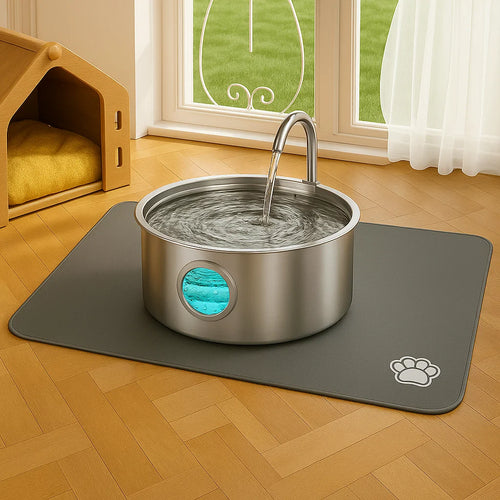
- Stainless-steel fountains support cleaner, safer tracking versus plastic bowls.
- Always consult your vet if you notice concerning changes in your dog’s drinking habits.
Why Track Your Dog’s Daily Water Intake?
Just like us, dogs’ hydration needs change with seasons, health, and activity. Logging daily intake empowers you to:
- Spot subtle dehydration before it becomes serious
- Detect early signs of illness (such as kidney issues or diabetes)
- Share accurate data with your veterinarian for better care
- Notice patterns linked to diet or medication changes
Busy households, multiple pets, or picky drinkers can make it tough to eyeball how much your dog really drinks. A daily log provides clarity—no guesswork required.
How Much Water Should Your Dog Drink Each Day?
There’s no one-size-fits-all answer, but veterinarians offer a general range:
| Dog Weight | Recommended Intake (ml/day) | Recommended Intake (oz/day) |
|---|---|---|
| 10 lbs (4.5 kg) | 110–225 ml | 3.7–7.6 oz |
| 25 lbs (11 kg) | 275–550 ml | 9.3–18.6 oz |
| 50 lbs (23 kg) | 575–1,150 ml | 19.4–38.8 oz |
| 75 lbs (34 kg) | 850–1,700 ml | 28.7–57.5 oz |
Tip: Dogs on wet food may drink less than those eating dry kibble. Puppies, seniors, and active dogs often need more.
How to Log Your Dog’s Water Intake: Step-by-Step
- Choose Your Tracking Method: Use a dedicated notebook, a printable chart, or a notes app on your phone. For the most accurate data, use a calibrated measuring cup to refill the bowl each time.
- Measure and Log: Record the amount of fresh water provided and subtract any left over at the end of the day. If using a fountain with volume markings, track refills and estimate consumption.
- Note Any Observations: Did your dog refuse water, spill the bowl, or drink more after play? Jot it down. Patterns matter, not just numbers.
- Review Weekly: Look for trends—sudden increases, decreases, or changes in behavior can be early clues of health issues.
Downloadable Template
Download our printable daily water log template (PDF).
Dehydration Signs by Severity
- Mild: Dry nose/gums, less interest in water, slightly tacky gums
- Moderate: Lethargy, sunken eyes, loss of skin elasticity, panting
- Severe: Weakness, rapid heartbeat, collapse (emergency—call your vet immediately)
Cleaner Tracking: Why Stainless-Steel Fountains Make a Difference
Plastic bowls and fountains can develop invisible biofilms and bacteria, making accurate logging—and safe hydration—more difficult. Stainless steel is non-porous, easier to sanitize, and doesn’t harbor bacteria or odors. A circulating, filtered fountain also helps:
- Keep water fresher and more appealing, encouraging consistent drinking
- Make it easier to see and measure what’s consumed (especially with visible reservoirs)
- Support multi-pet households with clearer tracking
| Material | Hygiene | Durability | Biofilm Risk | Ease of Cleaning |
|---|---|---|---|---|
| Stainless Steel | Excellent | Long-lasting | Low | Easy |
| Plastic | Poor | Scratches Easily | High | Difficult |
| Ceramic | Good | Fragile | Medium | Requires Care |
How Often Should You Clean and Log?
| Task | Recommended Frequency |
|---|---|
| Daily rinse & refill | Every day |
| Deep clean (with soap/brush) | Weekly |
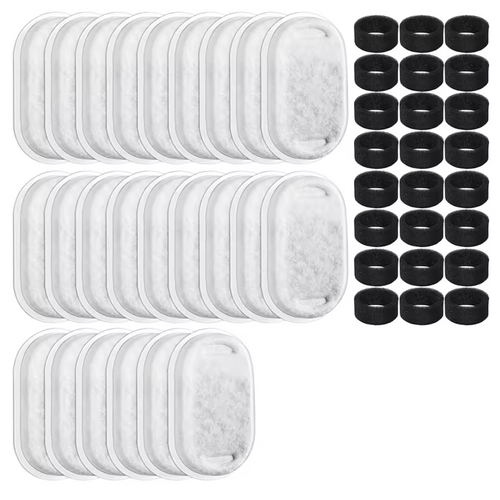
| Filter replacement | Every 2–4 weeks |
| Water log entry | Every day (ideally at the same time) |
Tips for Success
- Set an alert to check and log water at the same time daily (morning or evening works well)
- Use a fountain with a visible reservoir or easy-pour refills for better tracking
- If you have multiple pets, log each dog’s intake separately where possible
- Share your log with your vet at checkups—especially if you notice changes
Upgrade Your Dog’s Water Routine
Adding a daily water log to your routine is a small change with big health benefits. For even greater peace of mind, a flowing, filtered stainless-steel fountain keeps water fresh, encourages regular drinking, and makes tracking easier on busy days. See how Pawdrate’s premium fountains support healthier hydration—one sip at a time.