


Every dog deserves to feel their best, every single day—and it all starts with the simplest habit: fresh, clean water. But as busy pet parents, building a foolproof daily dog hydration routine can feel overwhelming. Maybe your pup’s bowl goes untouched for hours, or you worry about hidden germs or biofilm. Good news: with a few thoughtful steps, you can create a hydration ritual that boosts your dog’s health, energy, and happiness—no stress required.
This guide will walk you through daily hydration best practices, how much water your dog really needs, warning signs to watch for, cleaning routines, and why your choice of fountain material matters. Let’s make hydration simple and joyful for both you and your best friend.
- Most dogs need 25–50 ml of water per kg of body weight daily—adjust for weather, diet, and activity.
- Fresh, moving water attracts dogs and helps prevent bacteria and biofilm.
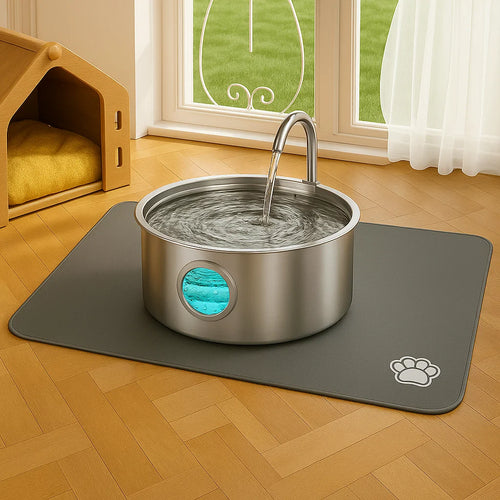
- Stainless-steel fountains are safest for hygiene and easy to clean.
- Spot dehydration early: dry gums, lethargy, and poor skin elasticity are warning signs.
- Daily rinsing and weekly deep cleaning keep your dog’s water safe.
Why Consistent Hydration Matters for Dogs
Water is the most essential nutrient for your dog—supporting digestion, kidney health, temperature regulation, and even a shiny, itch-free coat. Even mild dehydration can lead to fatigue, urinary tract issues, or worse over time.
Unlike humans, dogs often hide early signs of dehydration. That’s why a daily routine isn’t just about quenching thirst—it’s about building healthy habits that protect your pet for life.
How Much Water Does My Dog Need Each Day?
The general guideline: most healthy adult dogs need about 25–50 ml of water per kilogram of body weight per day (that’s roughly 0.5–1.0 ounces per pound). But needs vary with:
- Diet: Dogs on dry kibble require more water than those eating fresh or wet food.
- Weather: Hot, dry days or heavy exercise increase water needs.
- Health & Age: Puppies, seniors, lactating mothers, and dogs with health conditions may need more.
Daily Water Intake by Weight
| Dog Weight (lbs) | Dog Weight (kg) | Daily Water Range (oz) | Daily Water Range (ml) |
|---|---|---|---|
| 10 | 4.5 | 5–10 | 113–225 |
| 25 | 11.4 | 13–25 | 284–568 |
| 50 | 22.7 | 25–50 | 568–1136 |
| 75 | 34 | 38–75 | 850–1700 |
| 100 | 45.4 | 50–100 | 1136–2273 |
*These are general guidelines. Your dog’s needs may vary—always check with your veterinarian for personalized advice.
How to Create a Daily Hydration Routine
- Choose the Right Water Station: Place your dog’s fountain in a quiet, accessible spot. Use a premium stainless-steel fountain for the cleanest, most inviting drinking experience.
- Refresh Water Daily: Change out the water every morning and rinse the basin, even if it looks clean. Dogs are sensitive to taste and odor.
- Encourage Frequent Sips: Reward drinking, especially after walks, play, or meals. Some dogs need gentle encouragement—praise can help!
- Monitor Intake: Note if your dog is drinking more or less than usual. Mark water levels on the fountain or use a measuring cup for accuracy.
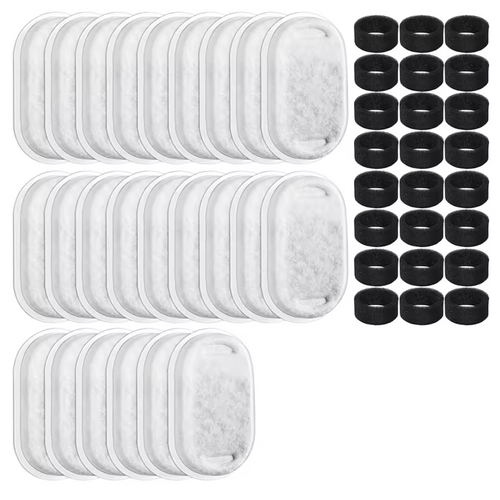
- Keep the Station Clean: Rinse daily, deep clean weekly, and replace filters as recommended. See cleaning cadence table below.
Cleaning Cadence for Your Dog's Fountain
| Task | Frequency |
|---|---|
| Rinse & Refill | Daily |
| Deep Clean (disassemble, scrub) | Weekly |
| Filter Replacement | As recommended (usually every 3–4 weeks) |
Why Material Matters: Stainless Steel vs. Plastic vs. Ceramic
| Material | Hygiene | Durability | Biofilm Risk | Cleaning |
|---|---|---|---|---|
| Stainless Steel | Excellent; nonporous, resists bacteria | Very high | Low | Easy |
| Plastic | Poor; can scratch, trap bacteria | Low–moderate | High | Can stain/retain odors |
| Ceramic | Good; may chip | Moderate | Moderate | Heavier, may crack |
Stainless-steel fountains are recommended by veterinarians for superior hygiene, especially for sensitive dogs or multi-pet homes.
How to Spot Dehydration Early
- Mild: Subtle fatigue, dry gums, slightly sunken eyes.
- Moderate: Poor skin elasticity (gently pinch the skin—if it doesn’t snap back quickly, that’s a sign), sticky gums, less urination.
- Severe: Lethargy, rapid heart rate, vomiting, collapse—emergency care needed.
If you notice anything concerning, see the safety sidebar below.
Tips to Make Hydration a Joyful Daily Habit
- Set reminders to refresh water at the same time each day—consistency builds routine.
- Keep bowls and fountains away from food or litter areas to encourage drinking.
- Traveling? Bring your fountain or a clean stainless bowl to keep routines familiar.
- For multi-dog homes, provide multiple stations to prevent crowding.
- Always praise and encourage your dog when they drink!
Upgrade to Better Habits with Flowing, Filtered Water
While any clean water is better than none, flowing, filtered water from a stainless-steel fountain is proven to encourage drinking and reduce bacteria risk. Investing in a premium station makes healthy hydration easier for busy families—and more enjoyable for your dog, every single day.
Ready to start your routine? Explore the Pawdrate Filtered Water Fountain—engineered for health, hygiene, and happiness.