


Every dog is unique, and so are their hydration needs. If you’ve ever wondered why your German Shepherd drains their bowl in minutes while your French Bulldog barely sips, you’re not alone. Understanding breed-specific water needs is the first step to supporting your dog’s lifelong health—no matter their size or temperament.
This article will help you:
- Understand how breed traits influence daily water requirements
- Spot dehydration signs in different breeds and sizes
- Adjust hydration routines for your dog’s unique needs
- Compare materials and cleaning for multi-dog households
- Larger breeds need more water per day, but all dogs require consistent, clean hydration
- Brachycephalic (flat-faced) breeds and thick-coated dogs may be at higher risk for dehydration
- Activity level, age, and environment play a big role in your dog’s water needs
- Stainless-steel fountains provide hygienic, low-maintenance hydration for every breed
- Always consult your veterinarian for specific advice, especially if you notice health changes
Why Breed-Specific Water Needs Matter
Just as a St. Bernard and a Dachshund have different exercise needs, their hydration requirements can vary dramatically. Water fuels everything from kidney function and temperature regulation to joint lubrication and healthy skin. But how much your dog needs isn’t just about thirst—it’s about biology, environment, and even personality.
How Much Water Does My Dog Need? (By Breed & Size)
General guidelines suggest dogs require 25–50 ml of water per kilogram of body weight each day (about 0.4–0.8 oz per pound). However, breed characteristics can shift this range:
| Weight (lbs) | Weight (kg) | Daily Water Range (oz) | Daily Water Range (ml) |
|---|---|---|---|
| 10 | 4.5 | 4–8 | 110–225 |
| 25 | 11.3 | 10–20 | 280–565 |
| 50 | 22.7 | 20–40 | 565–1,135 |
| 90 | 40.8 | 36–72 | 1,020–2,040 |
Note: These are general guidelines. Needs can vary based on diet (wet vs. dry food), activity, age, and health.
Breed Traits That Affect Hydration
- Large & Giant Breeds (Labrador, Great Dane): Need more total water; prone to dehydration during exercise or heat.
- Small Breeds (Yorkshire Terrier, Chihuahua): Higher metabolism; can dehydrate quickly if water is missed even for a short time.
- Thick-Coated Breeds (Husky, Samoyed): Overheat more easily, especially in warm climates; require vigilant hydration.
- Brachycephalic Breeds (French Bulldog, Pug): Difficulty panting effectively; at higher risk in heat or with intense activity.
- Working/Active Breeds (Border Collie, German Shepherd): Burn more energy, especially in training or sports; water needs increase with activity.
Practical Hydration Tips by Breed Type
For Large & Giant Breeds
- Offer multiple water stations if your home is large
- Check bowls/fountains throughout the day—these dogs can empty them quickly
- Monitor for signs of bloat and avoid excessive drinking right after exercise
For Small & Toy Breeds
- Use shallow, easily accessible water sources to reduce spill risk
- Keep bowls/fountains elevated if your dog is very short-legged
- Be extra vigilant during travel or schedule changes
For Flat-Faced (Brachycephalic) Breeds
- Ensure water source allows easy access without squishing the face
- Keep water cool and fresh—these breeds tire quickly in heat
- Watch closely for rapid breathing or lethargy during warm weather
For Double-Coated & Northern Breeds
- Increase water availability in summer or after play
- Brush regularly to help with heat dissipation
- Monitor for subtle dehydration signs (e.g., dry gums, panting)
Dehydration Signs: What to Watch For
Early and advanced signs can look different depending on breed and size. Common signs include:
- Dry nose or gums
- Lethargy or sudden fatigue
- Sunken eyes, loss of skin elasticity
- Reduced urination or dark yellow urine
- Excessive panting (especially in flat-faced breeds)
Small breeds and flat-faced breeds may show signs faster, so always err on the side of caution.
How Clean Water and Materials Matter for Every Breed
Beyond quantity, clean water is crucial—especially in multi-dog or large-breed homes where bowls empty (and get dirty) quickly. Stainless-steel fountains offer several key advantages over plastic or ceramic:
| Material | Hygiene | Durability | Biofilm Risk |
|---|---|---|---|
| Stainless Steel | Excellent (non-porous, easy to clean) | High | Low |
| Plastic | Prone to scratching/harboring bacteria | Low–Medium | High |
| Ceramic | Good if glazed, but can chip | Medium | Medium |
Recommended Cleaning Cadence
| Task | Frequency |
|---|---|
| Quick Rinse | Daily |
| Deep Clean (with soap/brush) | Weekly |
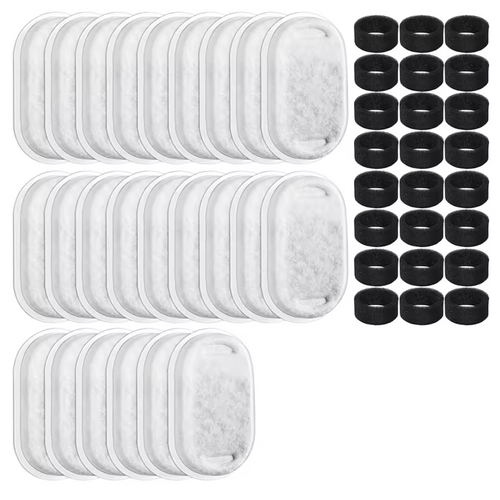
| Filter Replacement (if using a filtration fountain) | Every 3–4 weeks, or per instructions |
These routines help prevent biofilm buildup—a risk especially for households with multiple dogs or breeds prone to mouth sensitivity.
Supporting Healthy Hydration at Every Life Stage
Puppies, seniors, and dogs with health conditions may have higher or more variable water needs. Wet food, medications, and climate can all play a role. When in doubt, offer fresh, circulating water and check for signs of dehydration daily.
The Pawdrate Difference: Clean Hydration for Every Dog
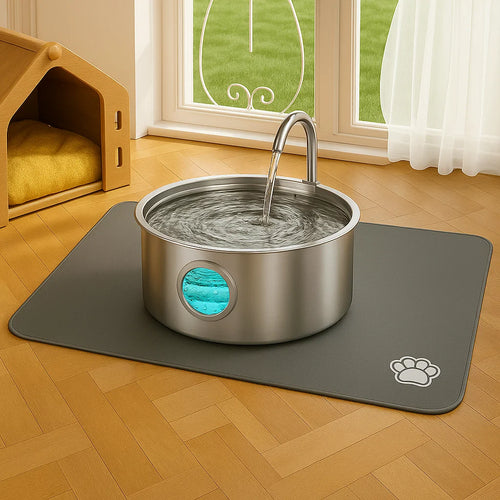
Regardless of breed, your dog deserves water that’s as fresh and safe as you’d want for yourself. A circulating, filtered stainless-steel fountain makes it simple to meet the unique needs of every canine family member—minimizing bacteria and keeping water inviting for even the pickiest drinkers.
Explore our premium filtered fountain to support healthy hydration for every breed in your home. Learn more about the Pawdrate Filtered Water Fountain.