

As pet parents, we want every detail of our dog's life to support their well-being. But there's a hidden risk lurking in plain sight: the biofilm that can grow in your dog's water bowl. If you’ve ever noticed a slimy film—even after washing—this article is for you. Here, you'll learn what biofilm is, why it matters for your dog’s health, and how to keep your best friend safer (and better hydrated) every day.
What Exactly Is Biofilm? (And Why Is It a Problem?)
Biofilm is a thin, slimy layer that forms when microorganisms—mainly bacteria—stick to surfaces in moist environments. In your dog’s bowl, biofilm can build up even if the water looks clean. What you often feel as a slippery coating is actually a protective community of bacteria that resists casual rinsing.
While many of these bacteria are harmless, some can include strains that may cause upset stomach, skin irritation, or even urinary tract infections in sensitive dogs. Biofilm also creates a breeding ground for other pathogens, potentially undermining your cleaning efforts and making it harder for your dog to stay healthy and hydrated.
How Biofilm Forms in Dog Bowls
- Your dog’s mouth introduces natural bacteria into the water bowl every time they drink.
- These bacteria multiply rapidly in any standing water, especially when bowls are left out all day.
- The bacteria produce a sticky substance that helps them cling to the sides and bottom of the bowl—this is the biofilm.
- Food particles, saliva, and environmental dust accelerate the process, especially in warm or humid settings.
- Within 24–48 hours, a fresh biofilm can form, making your dog’s bowl less hygienic than it looks.
Why Material Matters: Plastic vs. Ceramic vs. Stainless Steel
Not all dog bowls are created equal when it comes to biofilm resistance. Here’s how the most common materials stack up:
| Material | Biofilm Risk | Durability | Ease of Cleaning |
|---|---|---|---|
| Plastic | High (porous, scratches trap bacteria) | Low (can crack, degrade) | Hard (not always dishwasher safe) |
| Ceramic | Medium (glaze may chip, exposes porous clay) | Medium (breakable) | Moderate (must check for chips) |
| Stainless Steel | Low (non-porous, resists scratches) | High (very durable) | Easy (dishwasher safe) |
Stainless steel is less likely to harbor bacteria because it’s non-porous and easy to sanitize, making it the material of choice for pet owners and veterinarians alike.
How to Prevent Biofilm: Practical Cleaning Routines
Even with the best bowl material, routine cleaning is essential. Here’s a simple, vet-aligned cleaning schedule to keep biofilm at bay:
| Frequency | Action |
|---|---|
| Daily | Rinse and refill water bowl with fresh water |
| Weekly | Deep clean: wash with hot, soapy water and scrub all surfaces; rinse thoroughly |
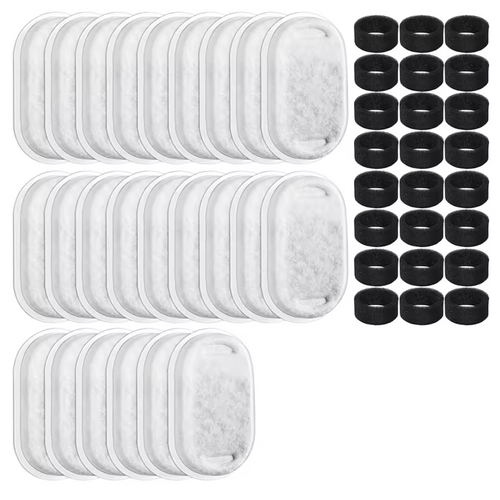
| Monthly (or as needed for fountains) | Replace water filters, check for wear |
Tip: Always use dish soap and a dedicated sponge or brush. For stainless-steel bowls and fountains, a cycle through the dishwasher (top rack) once a week adds extra protection.
Signs Your Dog’s Bowl Needs Attention
- Visible slime or cloudiness, especially in corners or seams
- Unpleasant or musty smell, even after rinsing
- Your dog hesitates or refuses to drink (bowl aversion)
- Frequent upset stomach or mild illness without clear cause
If you notice these, deep clean the bowl immediately. Persistent symptoms or refusal to drink should always be discussed with your veterinarian.
Stainless-Steel Fountains: Promoting Cleanliness and Better Hydration
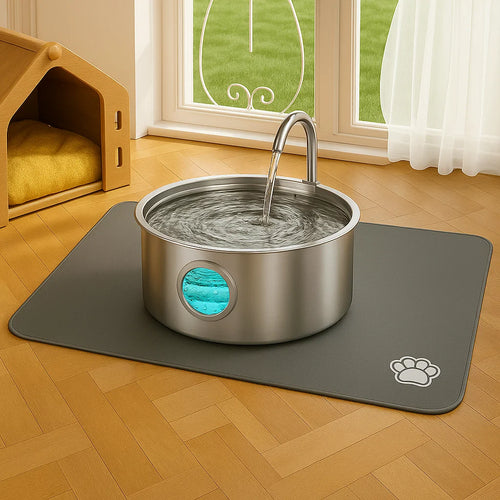
Many dogs naturally prefer moving water—it signals freshness, just like streams in nature. A quality stainless-steel water fountain keeps water circulating and filtered, which discourages biofilm buildup and encourages your dog to drink more throughout the day. Stainless steel’s non-porous surface and easy-clean design add peace of mind for busy pet families. Explore the Pawdrate Filtered Water Fountain to see how modern design, advanced filtration, and effortless cleaning can support your pup’s health.
Empowering Takeaway
Biofilm may be invisible, but fighting it is simple when you know how. With the right cleaning routine and a switch to stainless steel, you’re giving your dog the healthiest foundation for hydration and vitality. Every bowl—every sip—matters.
This article is informational and not medical advice.
1 comment
How do you clean stainless steel from biofilms