


As dog owners, we know the tiniest details—like the water bowl in the corner—can make a world of difference in our pets’ lives. Maybe you’ve noticed your pup hesitating at their water bowl, or you’ve wondered if the slimy film that sometimes forms is really safe. You’re not alone. Many caring owners ask: What’s truly the best dog water fountain for keeping my dog healthy and hydrated every day?
In this guide, we’ll walk you through what actually makes a dog water fountain “the best,” how the right choice can protect your dog’s health, and what features are most important for different breeds and households. You’ll learn how to spot dehydration, calculate your dog’s water needs, and maintain a cleaner, safer water source—plus, how premium materials like stainless steel stack up to plastic and ceramic.
Why Your Dog’s Water Source Matters
Just like us, dogs need fresh, clean water to thrive—and more than you might think. Stagnant water in bowls can quickly develop biofilm (that slippery layer you sometimes feel), which harbors bacteria and can deter pets from drinking. Over time, this increases the risk of urinary tract issues, kidney strain, dull coat, and fatigue.
Running water, on the other hand, mimics natural streams and encourages dogs to drink more. Fountains with constant circulation and advanced filtration keep water cleaner and more appealing.
How Much Water Does Your Dog Need? (Calculator & Table)
On average, a healthy adult dog should drink about 25–50 milliliters of water per kilogram of body weight per day (roughly 0.5–1.0 ounces per pound). However, needs vary based on breed, activity, weather, and diet (kibble-fed dogs generally need more than raw-fed).
| Dog Weight | Daily Range (ml) | Daily Range (oz) |
|---|---|---|
| 10 lbs (4.5 kg) | 110–225 | 3.7–7.6 |
| 30 lbs (13.6 kg) | 340–680 | 11.5–23 |
| 60 lbs (27.2 kg) | 680–1,360 | 23–46 |
| 100 lbs (45.4 kg) | 1,135–2,270 | 38–77 |
Note: Puppies, seniors, large breeds, and very active dogs often need the higher end of this range. If unsure, always consult your veterinarian.
Spotting Dehydration Early: What Every Owner Should Watch For
- Mild dehydration: Slightly dry nose or gums, subtle lethargy, urine darker than usual.
- Moderate: Sunken eyes, tacky gums, visible tiredness, less interest in food.
- Severe (urgent): Panting, rapid heart rate, wobbliness, vomiting, refusal to drink.
Dogs may hide discomfort. If you notice any concerning signs—especially in hot weather, after exercise, or if your dog has a health condition—offer fresh water and observe closely.
What Makes the Best Dog Water Fountain?
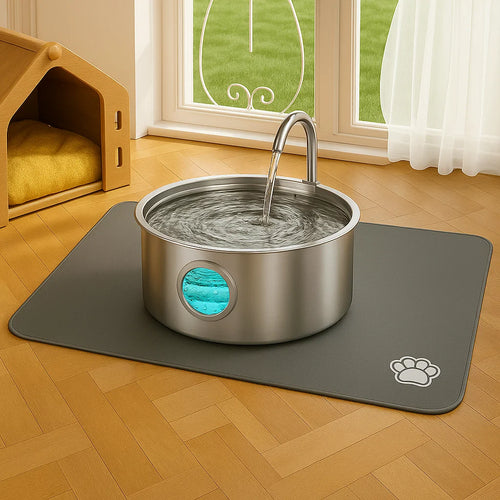
- Material matters: Stainless steel resists bacteria, won’t stain or crack, and is dishwasher-safe. Plastic can scratch easily, trapping bacteria and odors. Ceramics are less porous but can chip.
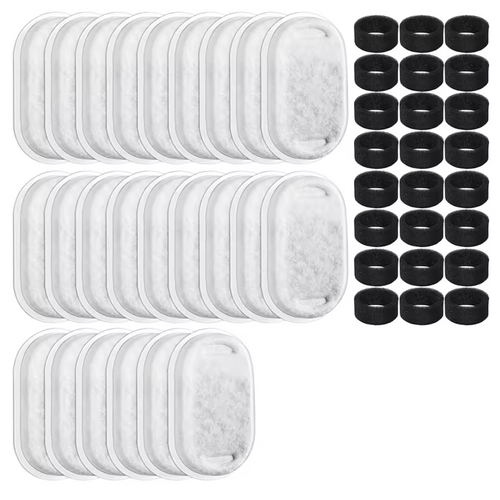
- Filtration: Multi-stage filters (carbon, foam, or mesh) remove hair, debris, and odors.
- Water movement: Circulating water stays fresher and naturally attracts dogs to drink more.
- Ease of cleaning: Look for fountains with minimal crevices, dishwasher-safe parts, and quick filter swaps.
- Design: Weighted bases, non-slip feet, and quiet operation make daily use calm and convenient.
| Stainless Steel | Plastic | Ceramic | |
|---|---|---|---|
| Hygiene | Excellent | Poor (scratches/biofilm) | Good (can chip) |
| Durability | Outstanding | Fair | Good |
| Easy to Clean? | Yes (dishwasher safe) | No | Somewhat |
| Biofilm Risk | Lowest | Highest | Medium |
Cleaning & Maintenance: Simple Habits for Health
- Quick rinse: Daily (swap out any stale water, remove visible debris).
- Deep clean: Weekly—disassemble, scrub with mild detergent, and rinse thoroughly.
- Filter replacement: Every 2–4 weeks (per manufacturer guidance and usage).
| Task | Frequency |
|---|---|
| Quick rinse/refresh | Daily |
| Full disassembly & clean | Weekly |
| Filter change | Every 2–4 weeks |
Choosing What’s Best for Your Dog—and Your Home
The best dog water fountain is one that fits your dog’s size, encourages drinking, resists bacteria, and fits seamlessly into your daily routine. For multi-dog households, larger capacity and weighted stability matter. For sensitive breeds or homes with allergies, non-porous stainless steel provides peace of mind.
Fountains with constant flow don’t just look beautiful—they support your dog’s kidneys, skin, and overall vitality. With regular cleaning and the right material, you’re giving your dog the gift of a longer, healthier life—one sip at a time.
Where to Find a Premium Stainless-Steel Dog Water Fountain
If you’re ready to try a stainless-steel, filtered fountain that was designed for easy cleaning and happier, healthier pets, explore the Pawdrate Filtered Water Fountain. It’s a small upgrade that can make a big difference in your dog’s daily hydration habits.